
Introduction: The Pain Nobody Sees
Mental health problems don’t always look dramatic.
Often, everything outside seems normal —
but inside, something feels heavy, tired, or empty.
You may still:
Go to work
Talk to people
Smile when needed
Yet feel:
Mentally exhausted
Emotionally disconnected
Constantly overwhelmed
Not yourself anymore
Mental health is not about being “weak.”
It is about being human.
1. What Mental Health Really Means (Beyond Labels)

Mental health is not just about disorders or diagnosis.
It includes:
→ How you think
→ How you feel
→ How you handle stress
→ How you treat yourself
Mental health is more than feeling happy all the time. The World Health Organization describes it as a state of mental well-being that helps people cope with the stresses of life, realize their abilities, learn and work well, and contribute to their community.
2. Silent Signs Your Mental Health Needs Attention

Mental struggles often show quietly.
Feeling tired or low on energy
Overthinking small things
Losing interest in things you once enjoyed
Irritation without clear reason
Feeling “mentally full” all the time
These are not flaws.
They are signals.
If several of these feelings persist or begin affecting daily life, it may be worth talking with someone you trust or a qualified mental-health professional.
3. Why So Many People Struggle Mentally Today
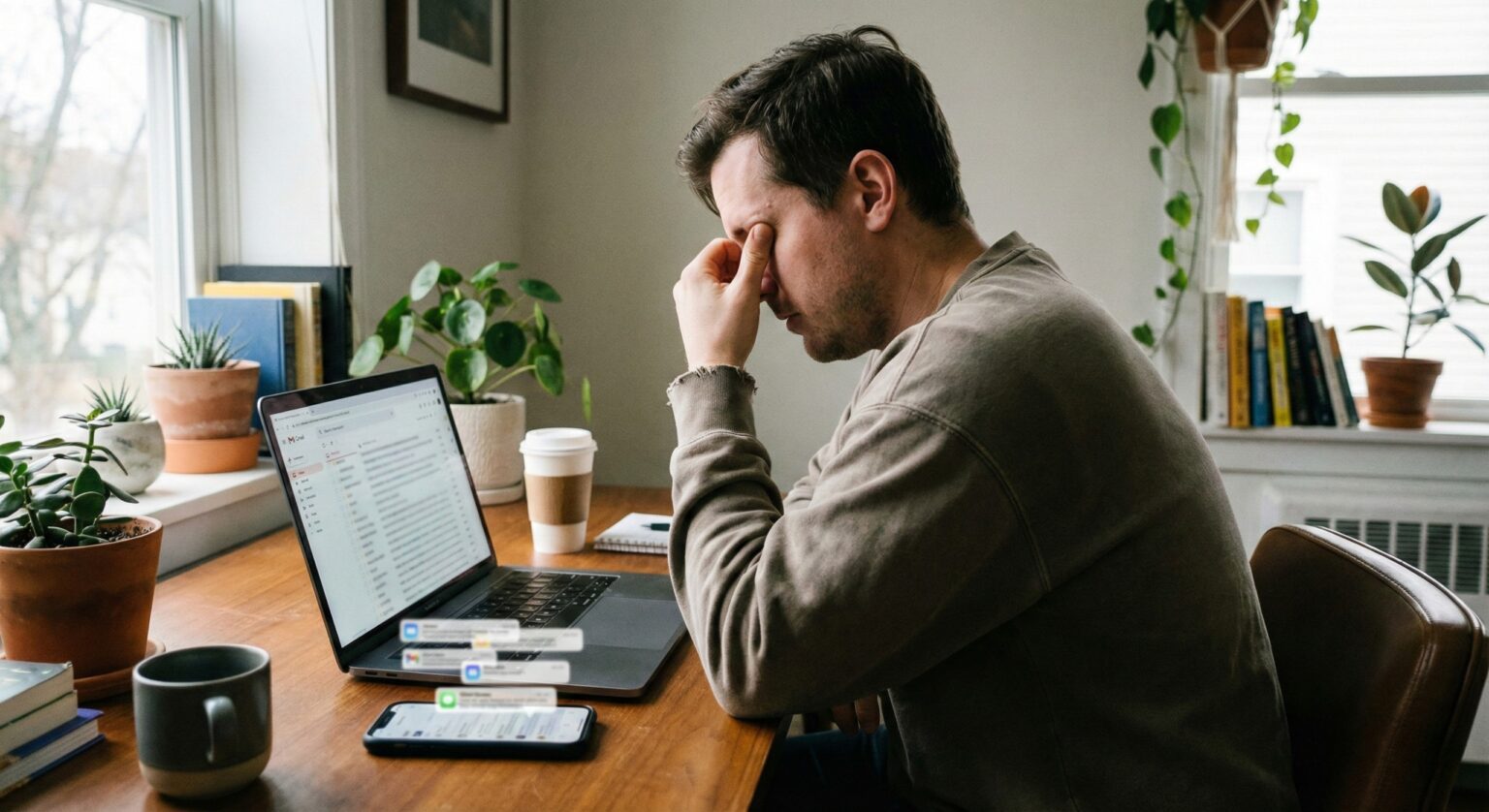
Modern life looks advanced, but it is mentally demanding.
Common pressure sources:
→ Constant comparison
→ Work stress and uncertainty
→ Social media overload
→ Lack of rest and boundaries
→ Emotional isolation
You are not failing.
The system is exhausting.
4. Mental Health Is Connected to Daily Habits

Mental health is shaped quietly by daily routines.
Things that affect it deeply:
→ Sleep timing
→ Food quality
→ Screen exposure
→ Physical movement
→ Alone time
Small habits don’t look powerful — but over time, they can genuinely support your mental health.
5. Why Ignoring Mental Health Makes Everything Harder

When mental health suffers:
Focus drops
Relationships feel heavy
Motivation disappears
Mental health is an important part of overall health and well-being.
Mental health is not a “side issue.”
It affects everything else.
6. Talking About It Is Not Attention-Seeking

Many people stay silent because they fear judgment.
But expressing emotional pain is:
→ Not drama
→ Not weakness
→ Not complaining
It is self-awareness.
You don’t need to explain everything.
Even acknowledging that something feels off is a strong step.
7. Simple Things That Gently Support Mental Health

Mental healing is not always dramatic.
Gentle support looks like:
→ Better sleep routine
→ Limiting constant notifications
→ Walking without phone
→ Writing thoughts instead of holding them
→ Allowing rest without guilt
Progress is often quiet.
Explore Mental Health Topics
If you’d like to go deeper, these guides cover specific areas of mental health:
Depression — persistent low mood, loss of interest, motivation and when to seek support Anxiety — persistent worry, physical tension and ways to cope Stress — overwhelming pressure and practical ways to manage it Overthinking — repetitive thoughts, rumination and grounding Emotional Healing — moving forward after painful experiences.
8. When You Should Not Handle It Alone

Some signs need extra care.
Seek professional support if:
Emotional pain lasts for weeks
You feel numb or hopeless
Daily life becomes difficult
You feel unsafe with your thoughts
Asking for help is not failure.
It is responsibility.
Conclusion: Mental Health Is Care, Not Control
You don’t need to “fix” yourself.
You need to care for yourself.
Mental health improves when:
You listen to yourself
You slow down when needed
You stop fighting your emotions
You are not broken.
You are responding to life.
And that response deserves care.
If you need help right now
If you are in immediate danger or think you may harm yourself, contact your local emergency services or a crisis service immediately.
In the United States and U.S. territories: call or text 988 to reach the 988 Suicide & Crisis Lifeline. The service is free, confidential and available 24/7.
Outside the United States: contact your local emergency services or a crisis service available in your country.
If mental-health difficulties are persistent or affecting your daily life, consider speaking with a doctor or qualified mental-health professional.
Lorem ipsum dolor sit amet, consectetur adipiscing elit. Ut elit tellus, luctus nec ullamcorper mattis, pulvinar dapibus leo.