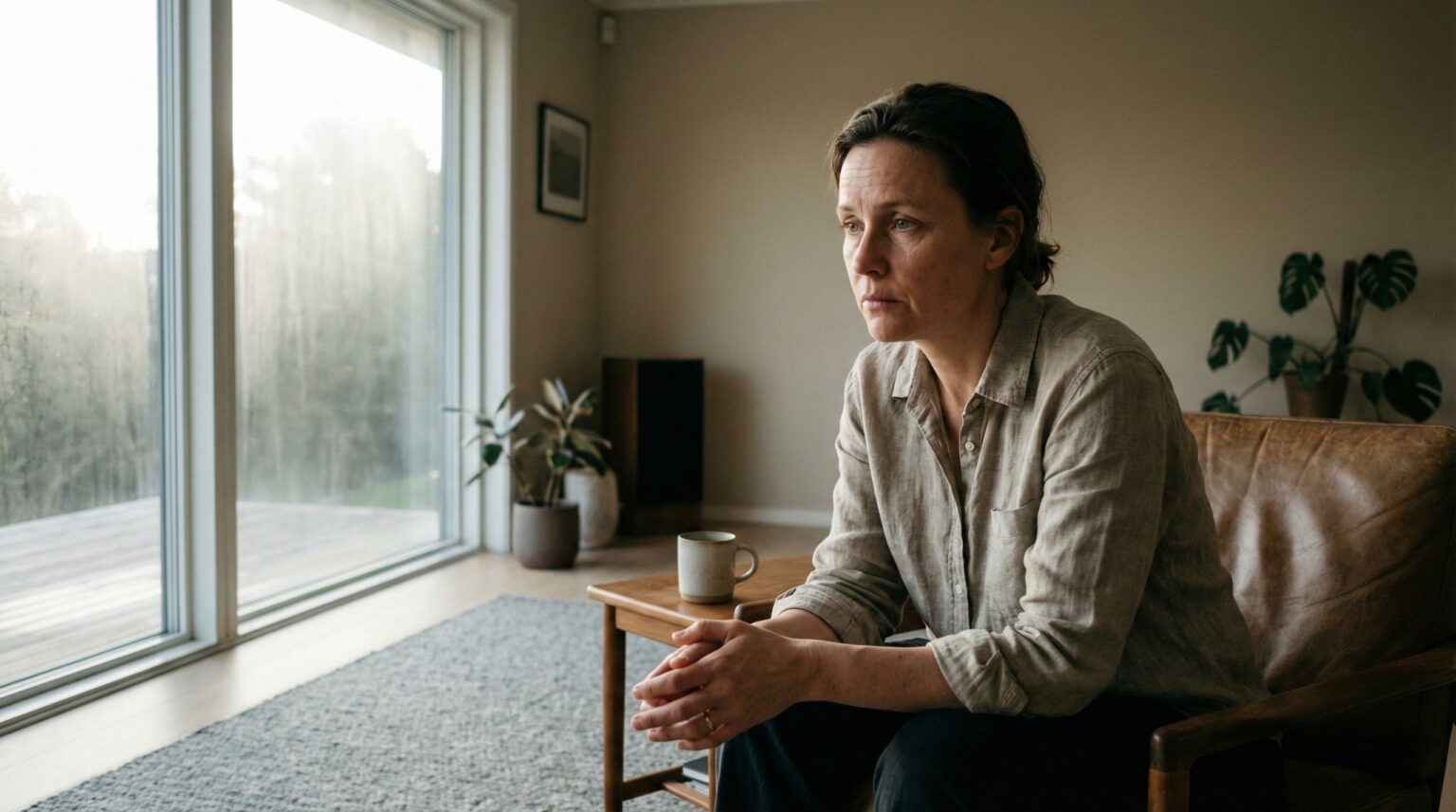
Anxiety Is Not Loud — It’s Constant
Anxiety does not always look like panic attacks or breakdowns.
For many people, it is quieter and more exhausting.
It feels like:
Your mind never fully relaxes
You are always “on alert” for no clear reason
Even peaceful moments feel slightly tense
Rest exists physically, but not mentally
You may function well.
You may look fine.
But inside, your nervous system is tired.
At LookAmaze, we treat anxiety not as weakness — but as a signal that something inside you needs attention, not pressure.
1. What Anxiety Really Is (Beyond Fear and Overthinking)
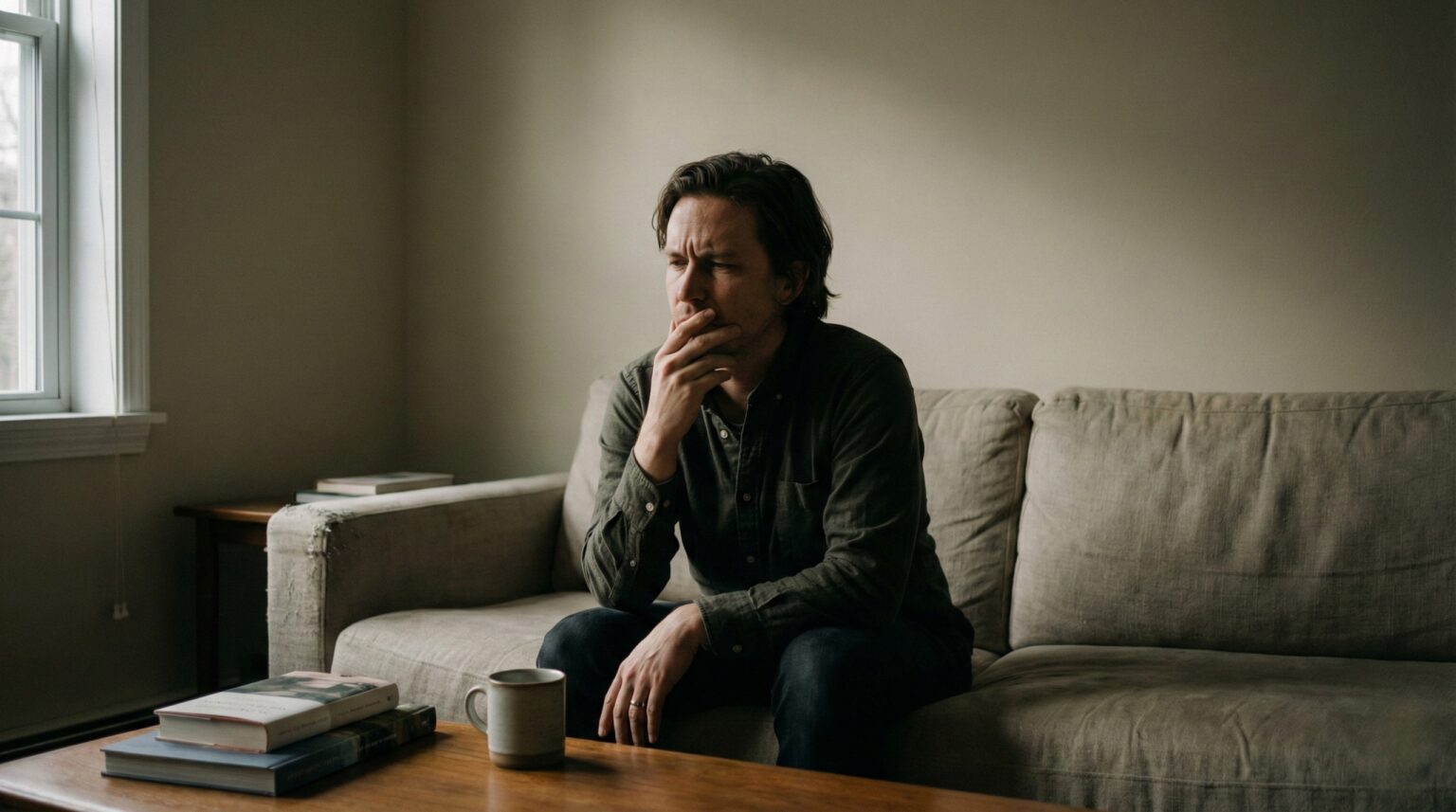
Anxiety is not just “thinking too much.”
Anxiety can involve persistent worry or fear, along with physical tension or a sense of being on edge, even when there is no immediate threat. even when no immediate danger exists.
It often shows up as:
Constant anticipation of problems
Difficulty relaxing, even during rest
Overanalyzing decisions that don’t truly matter
Feeling mentally busy all the time
An anxious mind is not broken.
It is overprotective.
2. Why Anxiety Feels Worse Even When Life Looks Stable

One of the most confusing parts of anxiety is this question:
“Why do I feel anxious when nothing is actually wrong?”
Common hidden reasons include:
Long-term stress that never fully resolved
Emotional pressure you learned to suppress
Constant comparison and information overload
A lifestyle that rewards productivity but ignores recovery
Modern life trains the brain to stay alert — not calm.
Your anxiety is often a natural response to unnatural pace.
3. The Physical Side of Anxiety Most People Ignore

Anxiety is not only mental.
It lives in the body.
You may notice:
Tight chest or shallow breathing
Stomach discomfort or digestion issues
Muscle tension, especially neck and jaw
Feeling tired but unable to rest deeply
Trying to “think your way out” of anxiety often fails — because the “Managing anxiety can involve both mental and physical coping strategies, such as changing unhelpful thought patterns, relaxation, exercise, mindfulness or other approaches that work for the individual.”
Relief begins when the nervous system feels safe again.
4. Why Fighting Anxiety Makes It Stronger
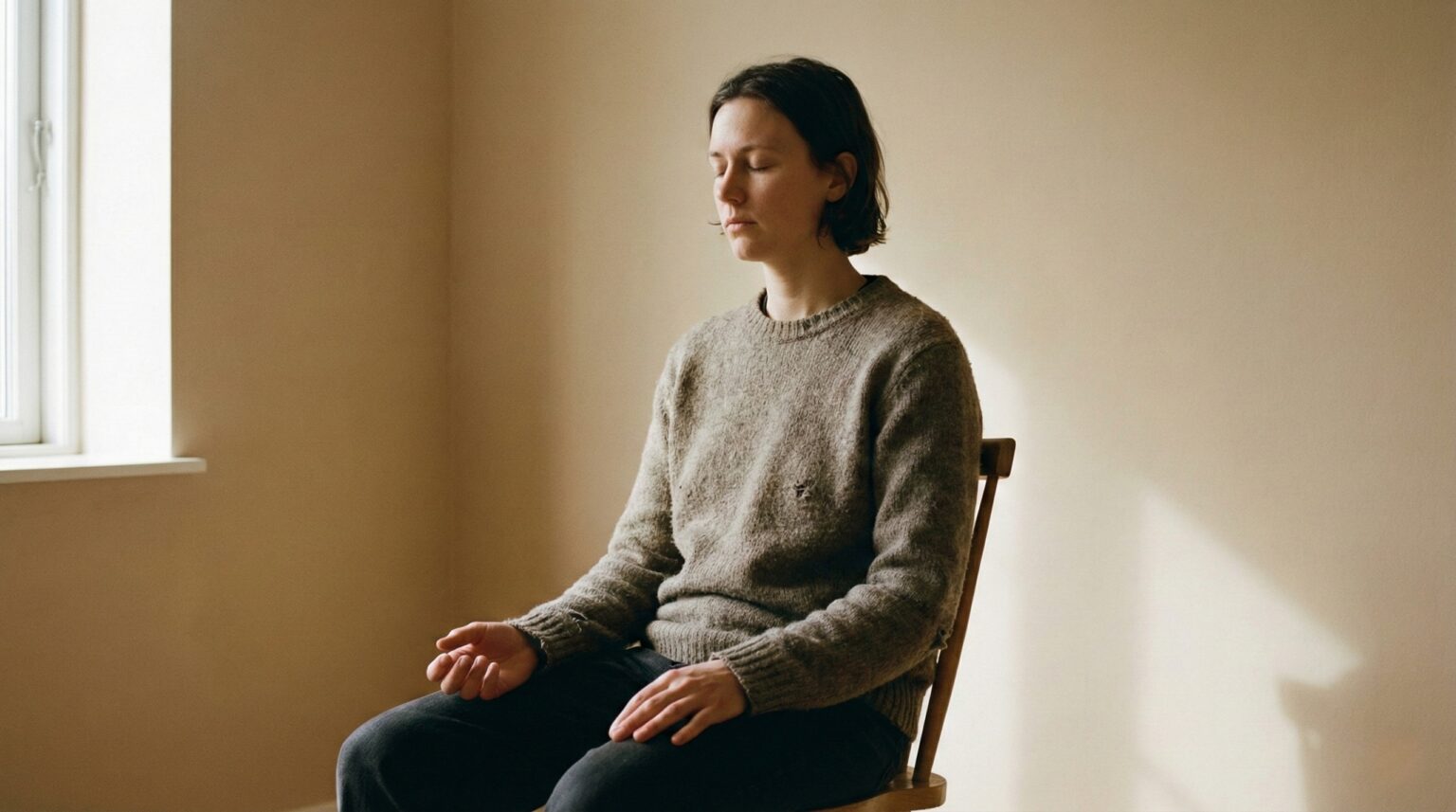
Many people try to control anxiety by:
Forcing positive thinking
Distracting constantly
Telling themselves to “stop worrying”
This usually backfires.
Anxiety grows when:
You resist it aggressively
You judge yourself for feeling it
You demand instant calm
Anxiety softens when it feels acknowledged, not attacked.
5. Anxiety Relief Starts With Nervous System Safety

Anxiety management is not only about trying to eliminate anxious thoughts. Learning healthier ways to respond to thoughts, feelings and physical symptoms can also help eliminating thoughts.
It is about teaching your body that it is safe again.
Supportive practices include:
Slowing your breathing instead of controlling thoughts
Creating predictable daily routines
Reducing constant alerts, notifications, and noise
Allowing moments of stillness without guilt
Calm is not forced.
It is allowed.
Persistent stress and anxiety often go hand in hand — our stress guide covers practical ways to manage overwhelming pressure.
6. The Role of Overstimulation in Chronic Anxiety

Your brain was not designed for:
Endless scrolling
Constant bad news
Continuous comparison
Zero mental silence
When stimulation never stops, anxiety can become persistent and harder to manage.
Simple boundaries help more than motivation:
Phone-free mornings or evenings
One-task focus instead of multitasking
Quiet time without content consumption
Mental space is a form of anxiety medicine.
When the mind keeps replaying the same thoughts, that’s overthinking — our guide explains how to break the loop.
7. Gentle Daily Habits That Reduce Anxiety Over Time

Anxiety relief is built quietly, not dramatically.
Helpful habits include:
Walking without headphones
Writing worries instead of carrying them
Keeping sleep and meal times consistent
Getting natural daylight daily
These habits don’t look powerful — but they these habits can support anxiety management and overall well-being over time slowly and safely.
This is the kind of sustainable mental care LookAmaze believes in.
8. When Anxiety Becomes a Sign to Seek Extra Support

Self-care is important, but not always enough.
Consider If anxiety is persistent or begins interfering with work, relationships, sleep or everyday life, consider speaking with a doctor or qualified mental-health professional. Psychotherapy, including cognitive behavioral therapy (CBT), is commonly used to treat anxiety disorders. Consider professional support if:
Anxiety lasts for months without relief
Sleep is consistently disturbed
Daily functioning becomes difficult
Fear or restlessness feels uncontrollable
Seeking help is not escalation.
It is self-respect.
Conclusion:

Anxiety Is Not the Enemy — It’s a Messenger
Anxiety is not here to ruin your life.
It is here to tell you something needs care, rest, or change.
You don’t need to “fix” yourself.
You need to listen without judgment.
When you stop fighting your anxiety and start understanding it, relief becomes possible — slowly, gently, and honestly.
And that kind of healing lasts.