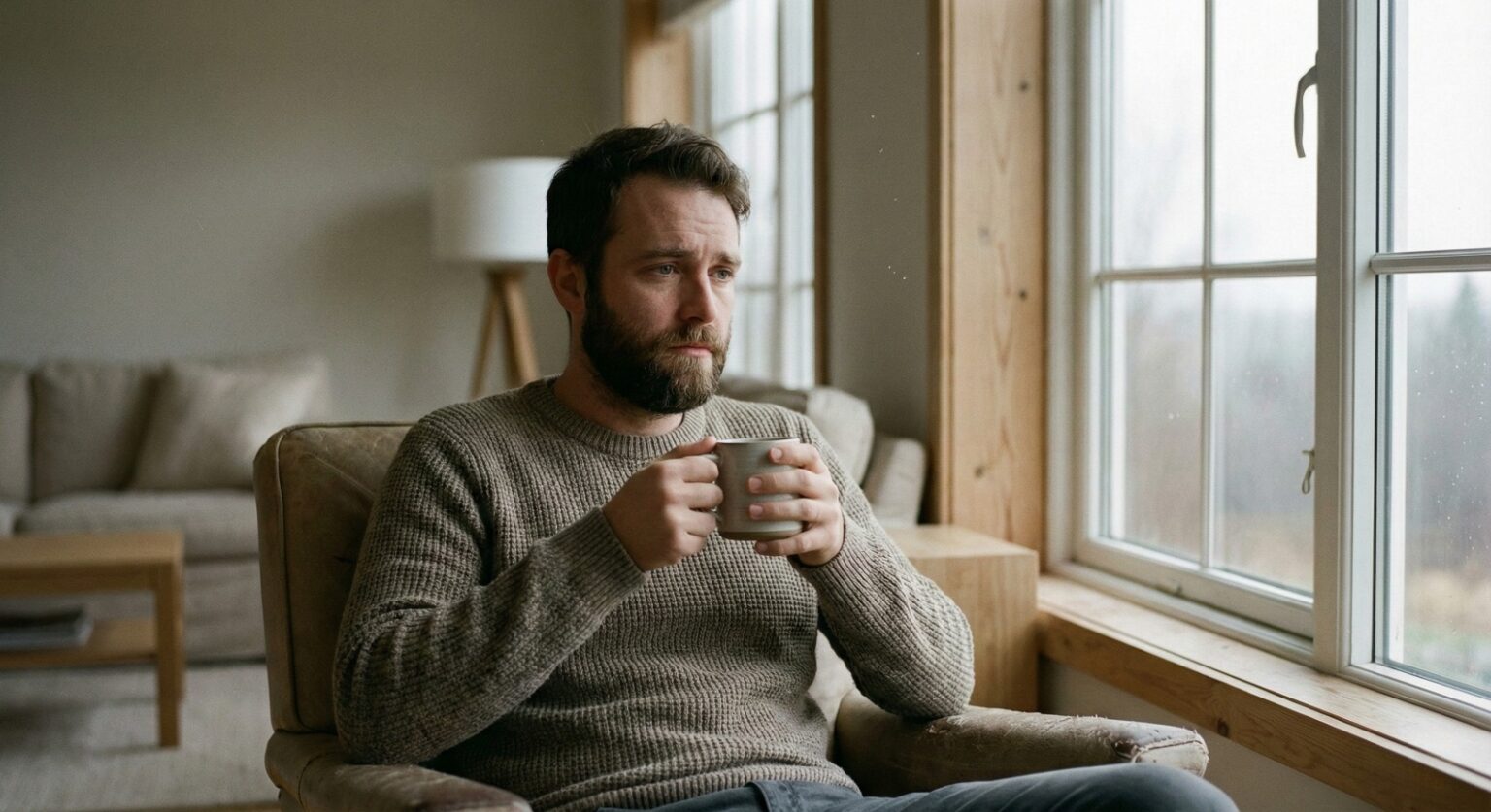
Stress Is Not the Problem — Unmanaged Stress Is
Stress is part of life.
Deadlines, responsibilities, money, relationships, expectations — all create pressure.
The real problem begins when stress never leaves.
You may still:
→ Work every day
→ Fulfill responsibilities
→ Appear “strong”
But inside:
→ Your body feels tight
→ Your mind never slows
→ Small things irritate you
→ Rest doesn’t feel refreshing
Stress doesn’t always break you loudly.
Most of the time, it drains you silently.
At LookAmaze, we see stress not as weakness — but as a signal that your system needs support, not more pushing.
1. What Stress Really Is (Beyond “Being Busy”)
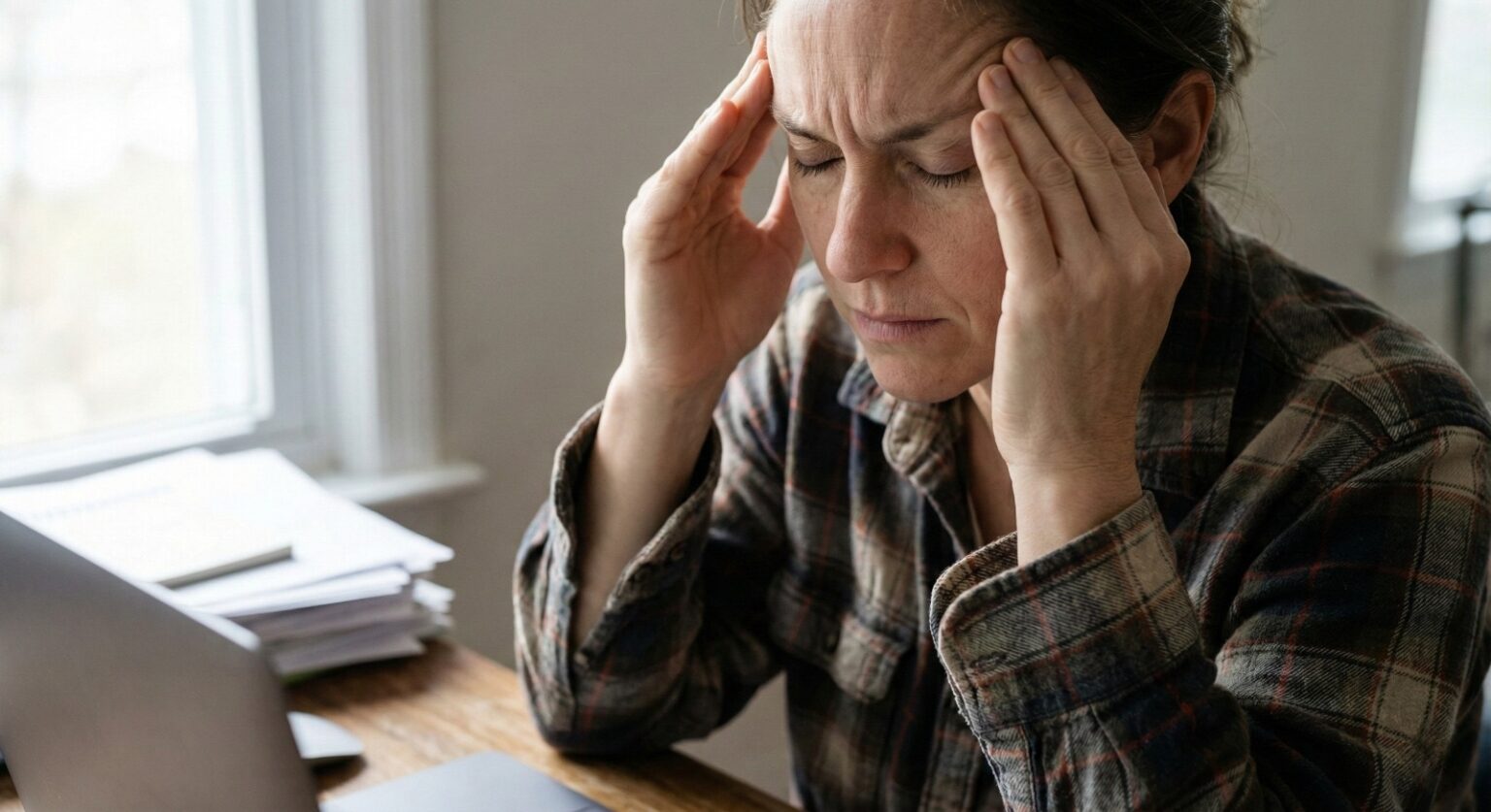
Stress is not just workload.
It is your body and mind staying in alert mode for too long.
Real stress shows up as:
→ Constant mental pressure
→ Feeling rushed even with time
→ Difficulty relaxing without guilt
→ Body tension without reason
Stress is your nervous system saying:
“I need recovery.”
Ignoring it doesn’t make you stronger — it makes you exhausted.
2. Why Modern Stress Feels Endless
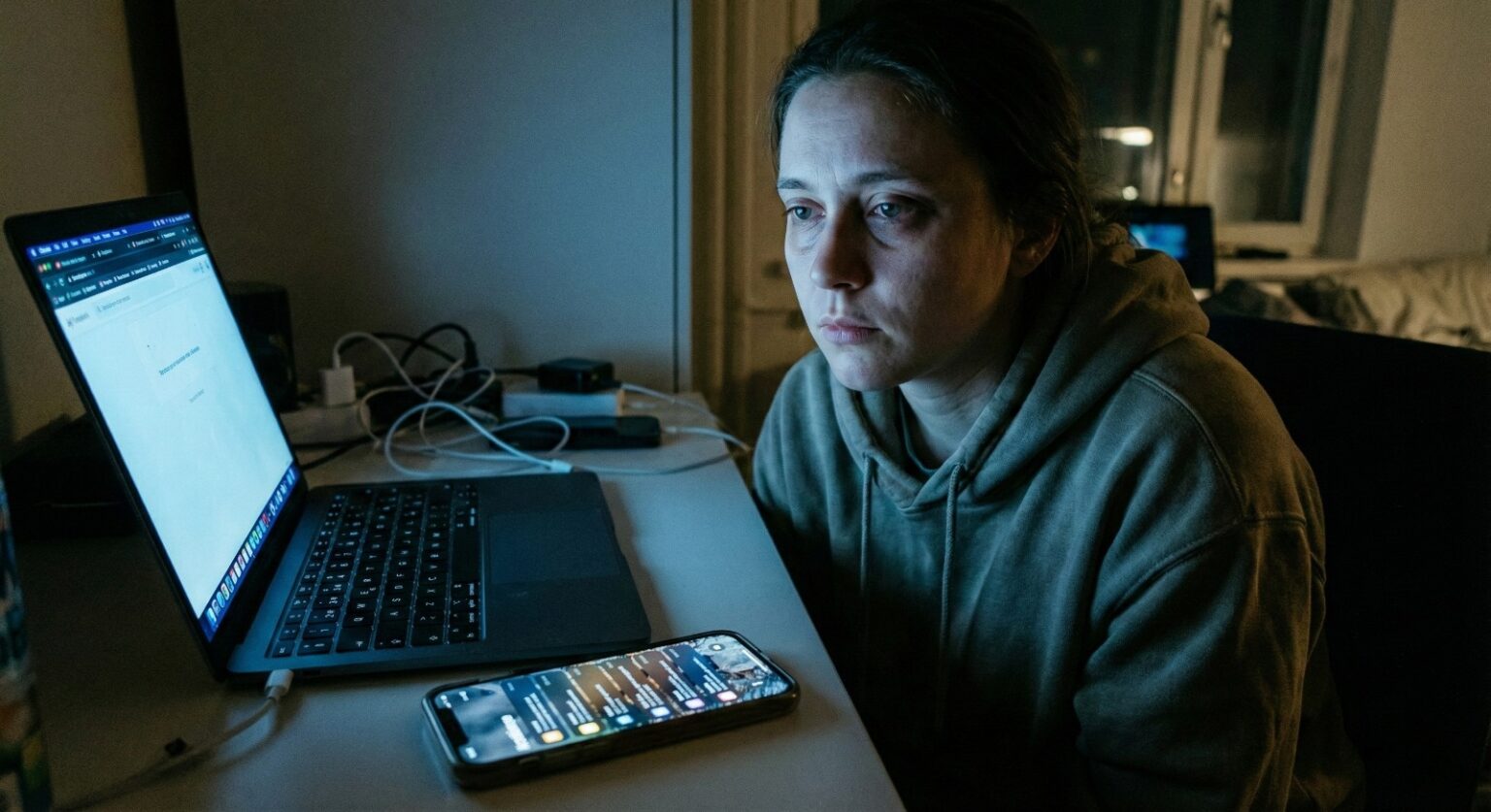
Stress today is different from earlier times.
Earlier stress:
→ Had clear start and end
→ Physical exhaustion led to rest
Modern stress:
→ Never fully switches off
→ Follows you home through screens
→ Mixes work, comparison, and uncertainty
Common hidden stressors:
→ Notifications and constant availability
→ Fear of falling behind
→ Emotional suppression
→ Lack of real rest
Your body was not designed for permanent pressure.
3. How Stress Slowly Affects Your Body

Stress is not only mental — it is physical.
Long-term or chronic stress can affect both mental and physical health. It may be associated with symptoms such as headaches or muscle tension, digestive problems, sleep difficulties and fatigue. Chronic stress can also affect immune function.
Stress is not only an emotional experience — it can affect the body too.
4. Why “Just Relax” Never Works

People often say:
“Relax.”
“Don’t take stress.”
“Think positive.”
But stress doesn’t respond to instructions.
Why?
Because stress lives in the nervous system, not logic.
Stress can affect both your mind and your body. Techniques such as relaxation, physical activity and healthy routines may help you cope, while persistent or overwhelming stress may also benefit from professional support.
This understanding is central to how LookAmaze approaches stress management.
If ongoing stress is happening alongside persistent anxiety or feeling constantly on edge, our anxiety guide explains what anxiety can look like and what may help.
5. Stress Management Starts With Nervous System Safety

True stress relief begins when your body feels safe again.
Simple ways to signal safety:
→ Slow, deep breathing
→ Gentle movement (walking, stretching)
→ Sitting quietly without stimulation
→ Reducing constant noise
Calm is not forced.
It is allowed.
6. Daily Habits That Quiet Stress Over Time
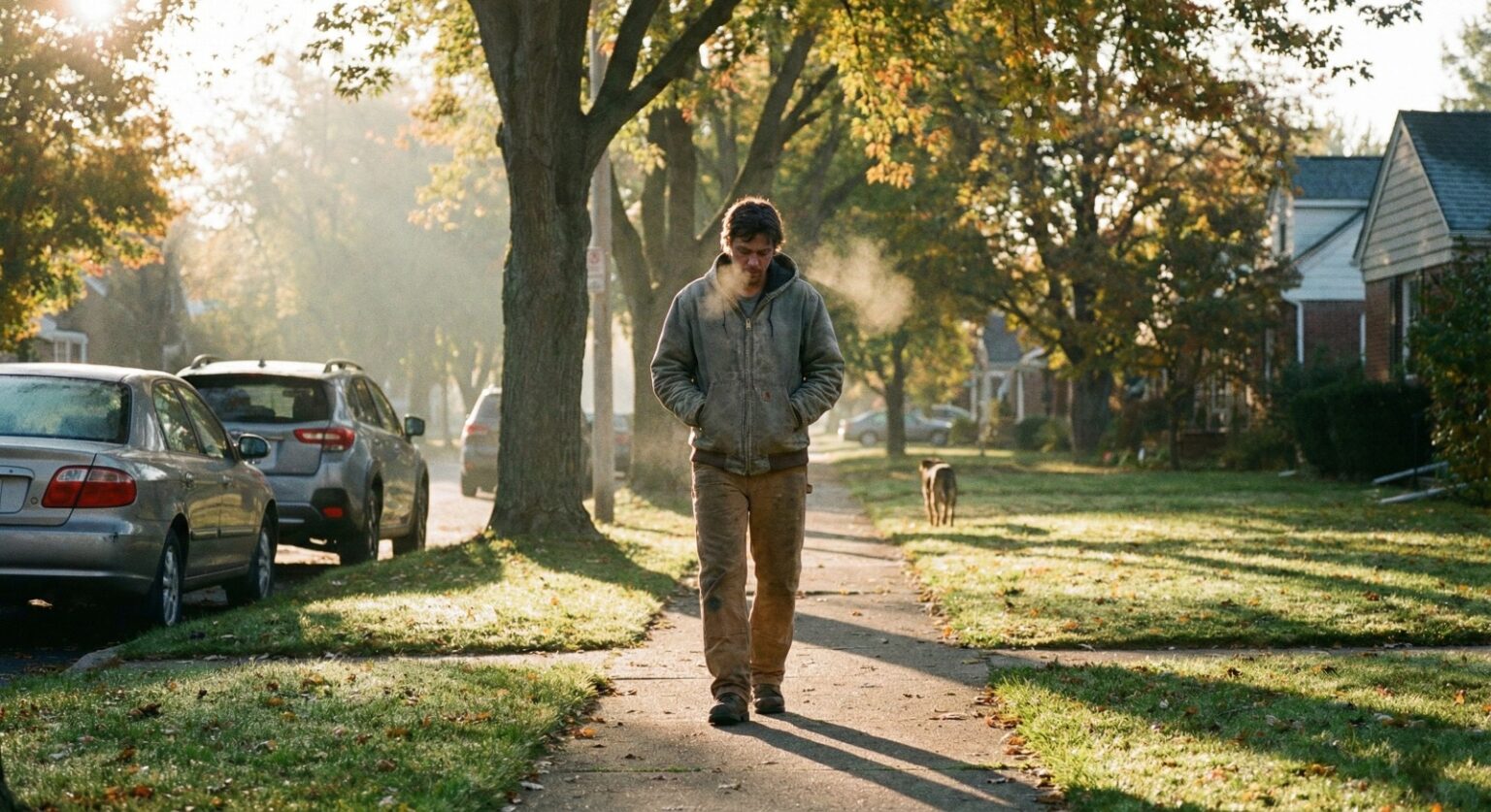
Stress doesn’t disappear in one day.
It reduces through consistency.
Supportive habits:
→ Fixed sleep and wake times
→ Eating regularly (not perfectly)
→ Limiting screen time at night
→ Short breaks without guilt
→ One task at a time
These habits may look small — but over time, they can support your ability to cope with stress.
7. Emotional Stress: The Part Most People Ignore

Not all stress comes from work.
Unspoken emotional stress includes:
→ Unexpressed anger
→ Suppressed sadness
→ Always being “the strong one”
→ Never asking for help
: Emotional stress can continue to affect how you feel and cope when it is not addressed.
Talking, writing, or even admitting “this is heavy” is stress release — not weakness.
8. When Stress Becomes a Sign to Slow Down, Not Push Harder

Sometimes stress is not asking you to manage better —
it is asking you to change something.
Seek extra support if:
→ Stress feels constant for months
→ Sleep is always disturbed
→ You feel numb or overwhelmed
→ Small tasks feel impossible
If stress is persistent, difficult to cope with, or interfering with your daily life, consider speaking with a doctor or qualified mental-health professional. NIMH advises seeking professional help when stress or anxiety symptoms do not go away or become difficult to manage.
Asking for help is not failure.
It is self-respect.
If stress is taking a toll on your mental health and you’re not sure what to do next, our overview of mental-health warning signs may help.
Conclusion:

Stress Is a Message, Not an Enemy
Stress is not here to ruin your life.
It is here to protect you — but it needs guidance.
You don’t need to eliminate stress.
You need to recover properly.
When you listen instead of pushing:
→ Your body softens
→ Your mind clears
→ Life feels manageable again
Stress management is not about becoming calm forever.
It is about knowing how to return to calm — again and again.
That is real strength.