
Stress Doesn’t Shout — It Slowly Breaks Balance
Stress is often treated like a mental issue.
But for women, stress is deeply physical.
It quietly affects:
→ Hormones
→ Period cycles
→ Digestion
→ Weight
→ Skin
→ Energy
→ Immunity
Stress can affect many parts of the body, and some of those changes may be easy to overlook.
You don’t feel “stressed enough” —
yet your body starts changing.
At LookAmaze, we don’t treat stress as motivation or weakness.
We treat it as a biological signal the body is sending.
Stress Disrupts Hormones Before You Feel It Mentally
During the stress response, the body releases hormones including cortisol and adrenaline.
In women, high or long-lasting stress may be linked with changes in the menstrual cycle, such as:
→ irregular or missed periods
→ changes in cycle length
→ more painful periods
Stress can also affect the brain signals that help control the menstrual cycle. Stress is one of many factors that can affect hormones — it is not the only cause.
Some people may notice changes such as:
→ irregular periods
→ more intense PMS symptoms
→ mood changes
If you are trying to conceive and periods are irregular, it’s worth talking with a doctor.
Stress is one factor that can influence hormones — but it isn’t the only one.
Stress Directly Weakens the Digestive System
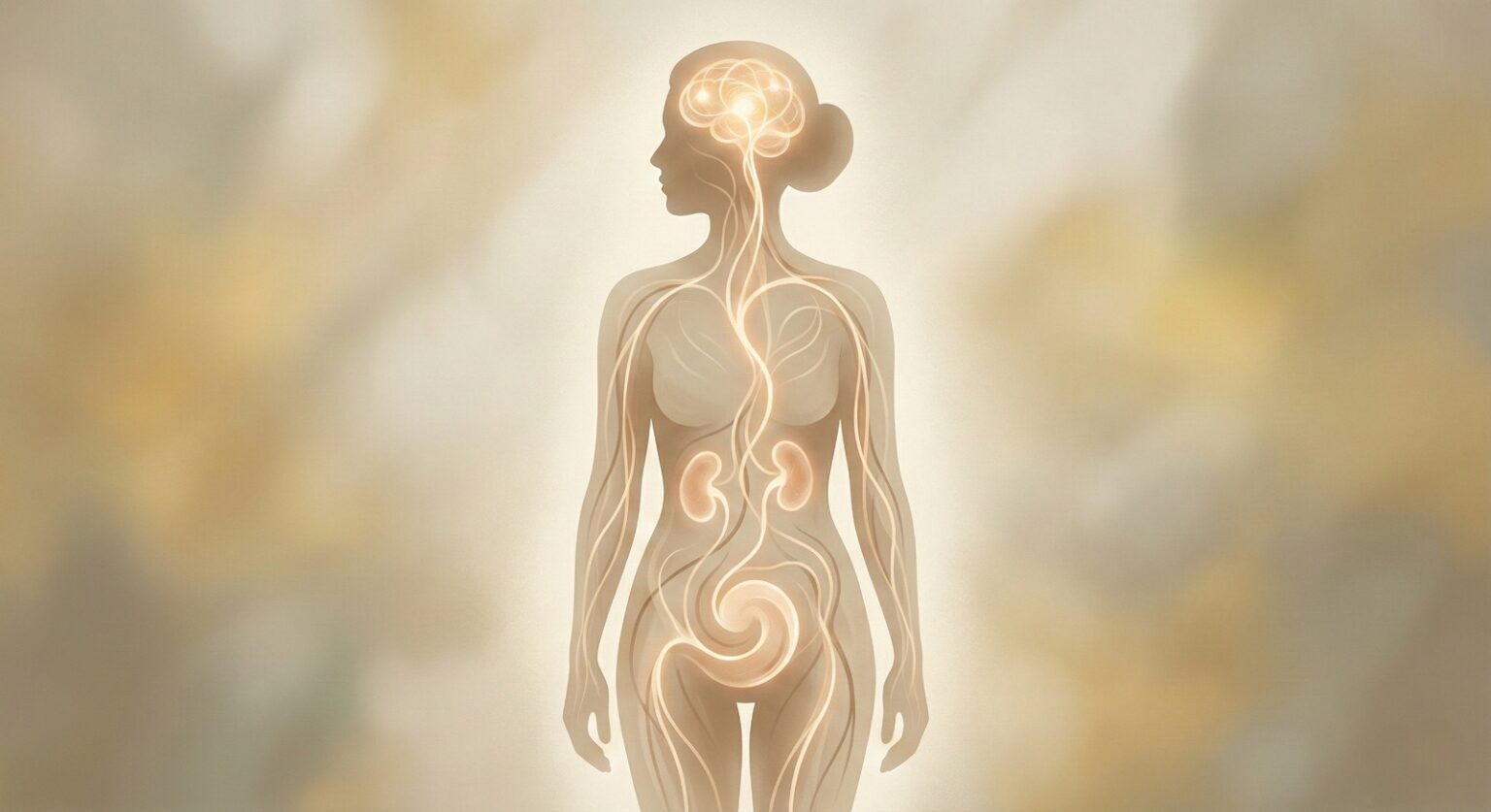
Under stress, the body’s stress response — often called “fight-or-flight” — prepares you to react quickly.
That means:
→ digestion can change — food may move through the gut faster or slower
→ digestive symptoms may feel worse
→ nutrient absorption may be affected
You may notice:
→ Bloating
→ Gas
→ Constipation
→ Acidity
Healthy eating still matters — but stress can make digestive symptoms feel worse.
Stress Makes Weight Gain Easier — Especially Belly Fat
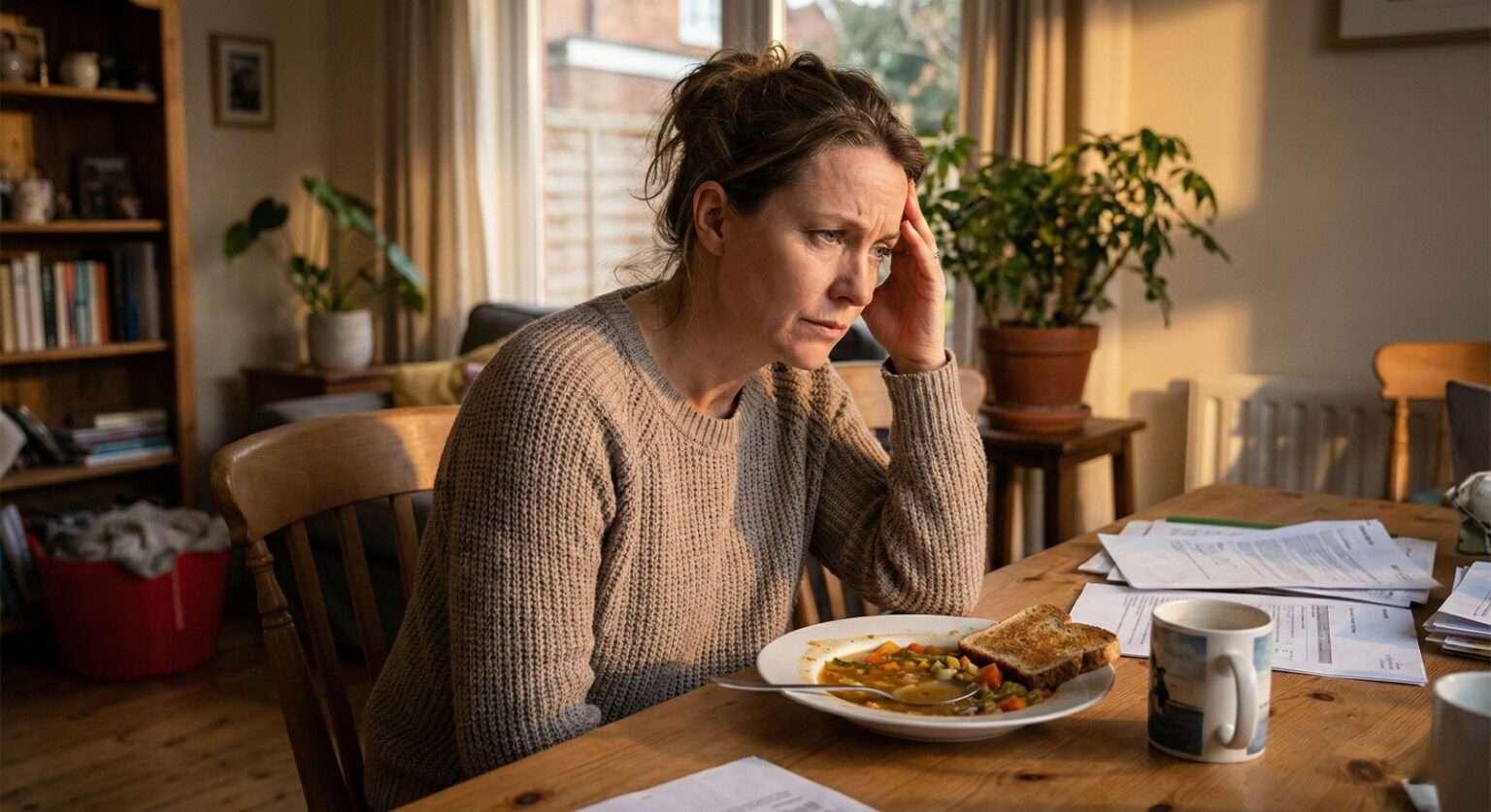
Stress can affect appetite and food cravings, and long-lasting stress may contribute to weight gain in some people.
When stress continues, cortisol can increase appetite, and some research suggests stress can increase cravings for foods high in fat or sugar. Weight changes are complex and are influenced by many factors.
Stress Disrupts Periods Without Warning

Stress can affect menstrual cycles.
Possible changes include:
→ delayed or missed periods
→ changes in cycle length
→ more painful periods
If your cycles change noticeably or stay irregular, it’s worth talking with a doctor.
Periods don’t fail —
they adapt.
Stress, Skin, and Hair
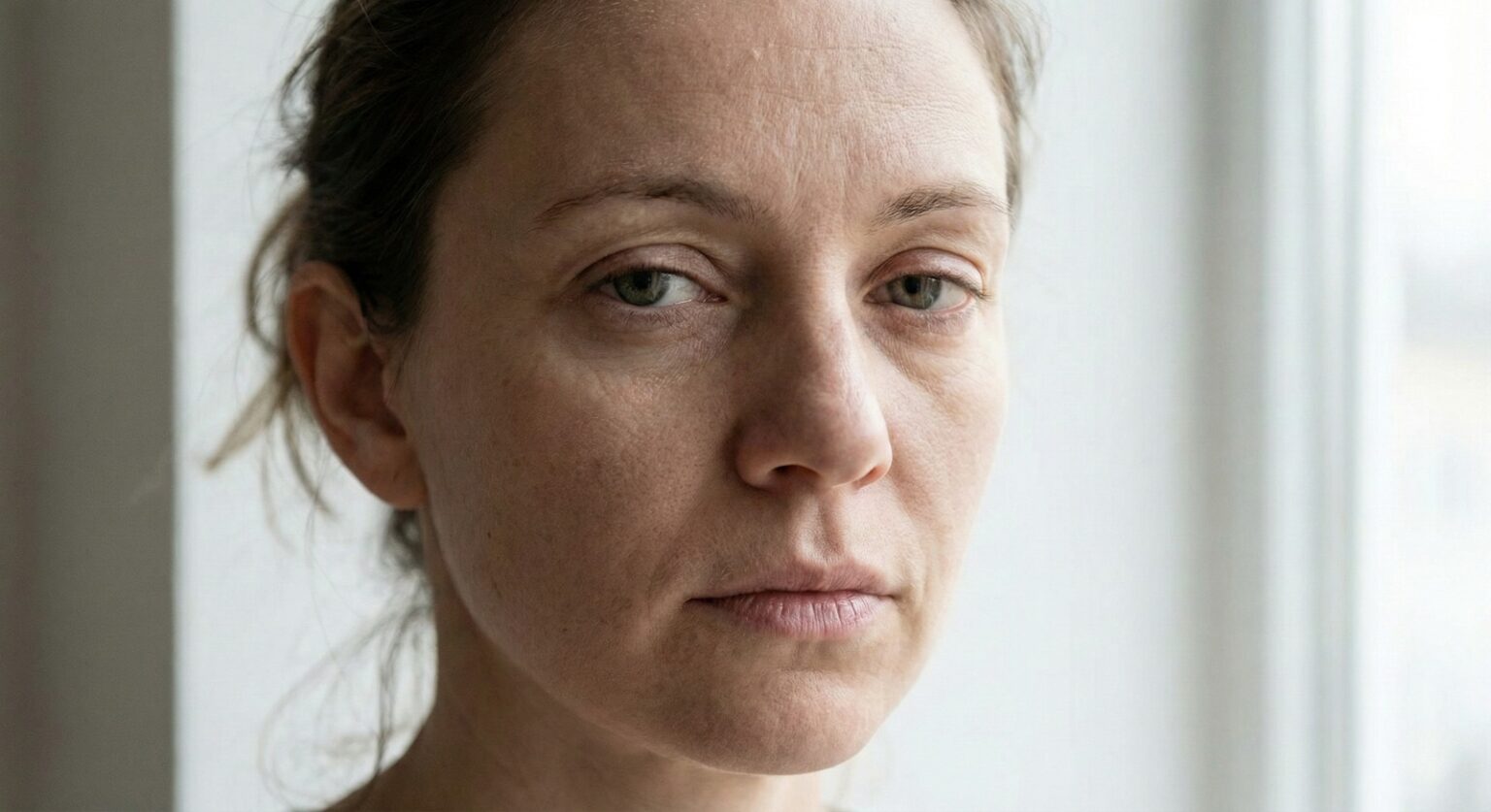
Long-lasting stress can affect skin and hair. For some people, stress may worsen acne or inflammatory skin conditions and can contribute to excessive hair shedding.
These problems can also have many other causes, so persistent or severe symptoms are worth discussing with a doctor or dermatologist.
If stress is worsening a skin or hair condition, managing stress may help alongside appropriate treatment.
Stress and Immunity
Stress hormones and the nervous system interact with the immune system, and long-lasting stress can disrupt normal immune function.
Long-lasting stress can interfere with normal immune function and may contribute to inflammation in the body.
Emotional Exhaustion Is a Physical State
Stress is not just “in the head”.
Long-term stress can affect:
→ sleep quality
→ mood
→ energy levels
If stress or anxiety feels overwhelming or persistent, talking with a healthcare professional can help.
Rest alone may not be enough when stress has built up over time — and that’s not a personal failure.
When to Talk with a Healthcare Professional
Stress is a normal part of life, and not all stress is harmful. But if stress feels constant and is affecting your sleep, mood, appetite, weight, or periods — or if you’re struggling to cope — it’s worth talking with a healthcare professional. Symptoms like these can also have other causes, and a doctor can help you understand what’s going on and what might help.
How to Reverse Stress Damage Naturally (For Women)
Not force. Not pressure.
Support.
Daily foundations:
→ regular sleep
→ balanced meals
→ regular physical activity
→ breathing or relaxation practices
These habits may help with stress management, but they are not a replacement for medical care when symptoms need evaluation.
Managing stress can be one part of supporting your overall health.
Conclusion :
Managing ongoing stress can be one part of supporting your overall health. If symptoms persist, worsen, or interfere with daily life, a healthcare professional can help identify other possible causes and appropriate treatment.