
Period Pain Is Not a Routine, It’s a Message
Many women are taught one thing growing up:
“Periods are supposed to be painful.”
So they silently accept:
Before we begin: this article explains common period problems, what may be behind them, and when it is worth seeing a doctor. It is general information — not a diagnosis. Only a healthcare professional can tell you what is happening in your body.
→ Severe cramps
→ Heavy bleeding
→ Mood swings
→ Extreme fatigue
→ Digestive discomfort
But here is the truth most people never explain clearly:
Periods are not meant to make life difficult.
They are meant to reflect what is happening inside your body.
When period problems repeat every month,
your body is not being weak —
it is asking for support.
At LookAmaze, we focus on understanding what the body is trying to say,
instead of normalizing discomfort.
1. Severe Period Pain: When It's Worth Seeing a Doctor
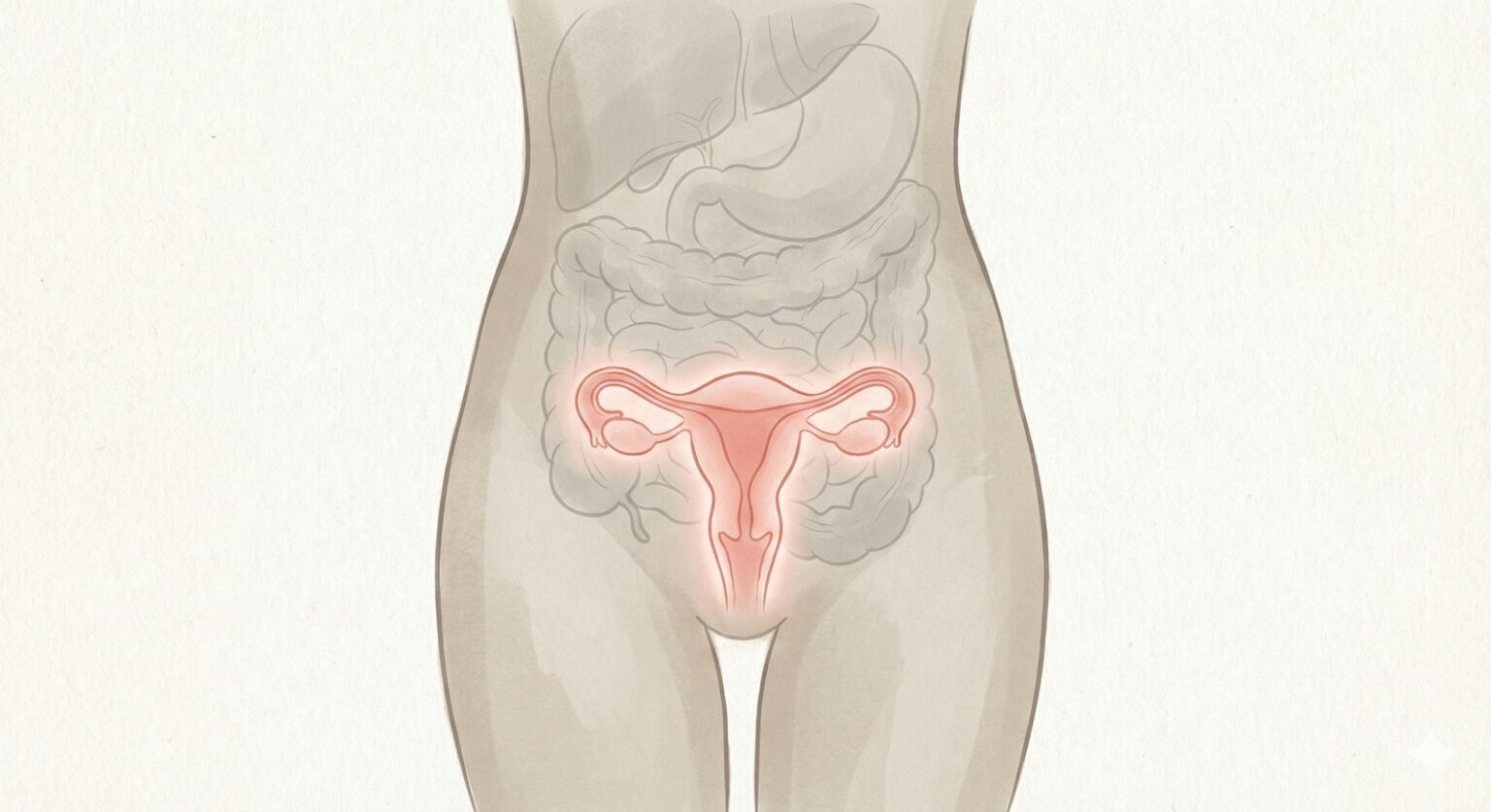
Mild discomfort can happen.
But pain that:
→ Stops daily work
→ Needs painkillers every cycle
→ Radiates to the back or legs
is worth discussing with a doctor or gynecologist
Many things can contribute to painful periods. In most cases the cause is not a disease — period pain often comes from natural chemicals called prostaglandins that make the uterus contract, especially on the first day. In some people, severe or worsening pain is linked to a condition such as endometriosis, fibroids, or adenomyosis. Symptoms alone cannot tell you which is going on — if your pain is severe, getting worse, or keeps coming back, a doctor or gynecologist can investigate
A 2024 cross-sectional study found an association between higher stress levels and more intense period pain in the young women studied. If stress feels like a big part of your cycle, our guide to how stress can affect women’s health explains more.
2. Heavy Bleeding Is the Body Losing Balance, Not Strength
If your flow is:
→ Very heavy
→ Longer than 7 days
→ With large clots
→ Followed by weakness or dizziness
These can be signs worth discussing with a doctor. Heavy or prolonged bleeding can, over time, lead to low iron and anemia.
Heavy bleeding can, over time, lead to low iron levels (iron-deficiency anemia), which can cause tiredness, weakness, and dizziness.
Heavy bleeding drains energy faster than it is rebuilt.
3. Irregular Periods Mean Your Body Has Lost Rhythm
Many factors can affect how regular your cycle is — stress, sleep, changes in weight or exercise, and medical conditions such as PCOS or thyroid problems. If your cycles become noticeably irregular, talk with a doctor to find the cause.
The menstrual cycle follows internal rhythm.
When daily life becomes chaotic, cycles reflect it.
4. Extreme Mood Swings Are Not “Overreaction”

Feeling emotional is human.
Feeling emotionally unstable every month is a signal.
The exact cause of PMS isn’t fully understood — hormone changes may play a role, but this hasn’t been proven. Severe premenstrual mood symptoms are real and can be intense. If they are severe or interfere with your daily life, speak with a healthcare professional. PMDD is one condition a clinician may consider when symptoms are severe and follow a recurring premenstrual pattern — it is diagnosed by tracking symptoms across cycles, not by symptoms alone.
Your emotions are not the problem.
Your body is overwhelmed.
5. Acne and Skin Issues Before Periods Signal Hormonal Stress
Hormonal changes around the menstrual cycle can contribute to breakouts for some people. If acne is severe or persistent, a doctor or dermatologist can help.
6. Extreme Fatigue During Periods Is a Red Flag
Periods should not make you feel:
→ Completely drained
→ Dizzy
→ Unable to function
Extreme tiredness, dizziness, or feeling unable to function around your period can be a sign of low iron or anemia — especially when periods are heavy. A simple blood test can check for this.
Fatigue means the body is giving out more than it receives.
When to See a Doctor About Period Problems
Talk with a doctor or gynecologist if any of the following apply to you:
– your period lasts longer than 7 days
– you need to change your pad or tampon every 1–2 hours, or you need two types of period protection together
– you pass large blood clots
– you have severe pain that stops you from your usual activities, or pain that usual pain relief does not help
– you bleed between periods or after sex
– your cycles become noticeably irregular (for example, longer than 35 days or shorter than 21 days)
– you feel dizzy, weak, or short of breath around your period
Seek urgent medical care if: bleeding is extremely heavy and you also feel faint or lightheaded, you have significant shortness of breath or chest pain, or you collapse.
If pregnancy is possible and unusual bleeding occurs with significant abdominal or pelvic pain, dizziness, or fainting, seek urgent medical assessment.
These symptoms can sometimes point to conditions that need treatment. Only a healthcare professional can find the cause — this article is general information, not medical advice.
7. What Causes Period Pain — and What May Help
Period pain happens when natural chemicals called prostaglandins, made in the lining of the uterus, make the muscles and blood vessels of the uterus contract. Pain is usually strongest on the first day of your period and eases over the next few days.
In some people, period pain is linked to a condition such as endometriosis, fibroids, or adenomyosis. Pain linked to these conditions may start earlier, last longer, or get worse over time — but symptoms alone can’t tell you the cause. That’s why it’s worth talking to a doctor if pain is severe or keeps coming back.
Some habits may help with symptoms: gentle aerobic exercise most days (walking, swimming, cycling), applying heat to the lower belly, getting enough sleep, and relaxation practices like meditation or yoga. Over-the-counter pain relievers such as ibuprofen can help some people when used as directed. Ibuprofen is not suitable for everyone, so check the label and ask a pharmacist or doctor if you’re unsure whether it’s safe for you.
Daily habits can support overall health, but they don’t replace medical care.
8. How to Start Supporting Period Health Naturally

Simple but powerful shifts:
→ Eat warm, nourishing meals
→ Maintain regular sleep
→ Reduce ultra-processed foods
→ Gentle movement during cycles
→ Respect rest
Healing starts with listening, not suppressing.
Conclusion :
With the right support — including medical care when needed — many people find their symptoms become more manageable.