Most grooming advice arrives as a list of things to buy. That is not the same as a list of things that need doing.
The part that has to be maintained is smaller than it looks: staying clean, keeping your mouth in order, keeping hair and facial hair tidy, looking after skin at a basic level, and wearing clothes and shoes that are clean and sound. Everything past that is optional — as long as it is chosen rather than assumed.
This is what the baseline covers, how to tell when part of it needs attention, and how to decide whether an extra step is worth adding.
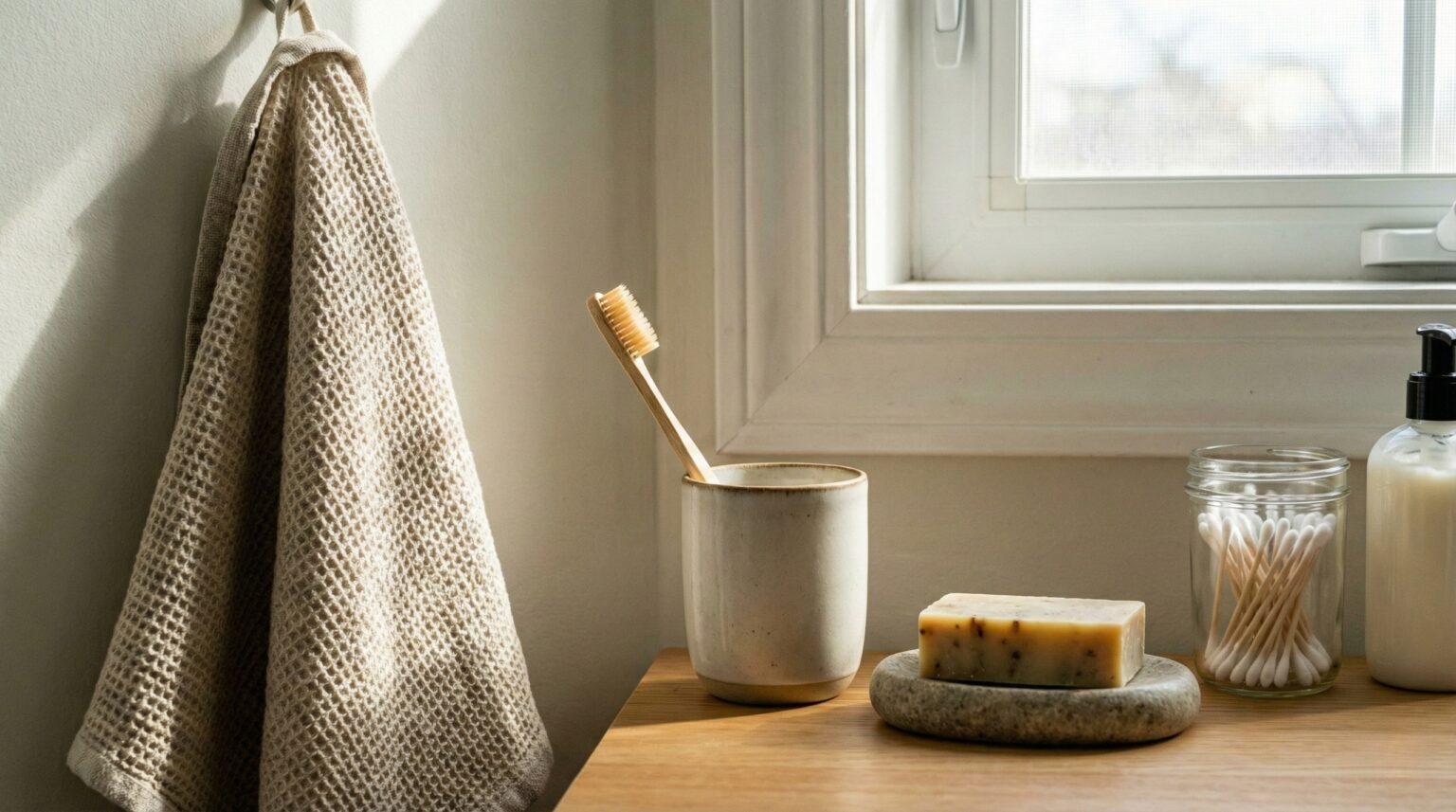
Cleanliness: Cover the Basics
Cleanliness is the part people notice without noticing. The question is not how often you wash, but whether a part of it has quietly stopped being done.
Covered areas need attention too — underarms, feet, and anywhere skin sits against skin. A quick rinse may not be enough if an area still feels or smells unclean.
Keep hands clean, and keep nails clean and at a length you can maintain comfortably. The point is not a particular nail length; it is noticing when they need cleaning, smoothing or trimming.
Feet need ordinary washing and drying too. Change socks when they become damp, dirty or no longer feel fresh, and clean shoes when they visibly need it.
None of this needs thinking about daily. It needs noticing when one part has quietly slipped.
Mouth and Breath
Your mouth is the part of grooming other people meet at close range, so it rewards ordinary attention.
Brushing, cleaning between the teeth, and keeping the tongue clean are ordinary parts of mouth care. Mints or sprays may change how breath smells for a while, but they do not replace cleaning.
If something in your mouth hurts, bleeds, or changes and does not settle, that is no longer a grooming question. It becomes a health question, and the ordinary answer is to have it looked at. Otherwise, keep it simple: clean it regularly, replace what wears out, and do not treat your mouth as a place for experiments.
Hair and Facial Hair: Keep It Neat
Hair does not have to be styled to be in order. Neat means deliberate — clean, shaped enough to have an obvious line, and not long past when it was last dealt with.
That means different things for different people. Hair type, growth pattern, length and how much there is all change what neat looks like. There is no correct length and no interval you are supposed to keep to. A cut or a shave is due when the shape has gone, not when a calendar says so.
Facial hair follows the same basic idea: keep it clean, and trim or shape it when it no longer looks the way you want it to. The exact length and edges are personal choices, not a grooming standard.
Anything that looks like a change in your hair or scalp rather than ordinary neatness goes beyond grooming. Treat it as a health question rather than something to fix with products.
Face and Skin: Keep the Basics Simple
Basic face and skin grooming does not need to become a long product routine. For this article, the baseline is simple cleanliness without unnecessary scrubbing or product overload.
Washing gently with something mild is enough for the grooming scope here. If you choose to add a product, it should have a clear purpose for you rather than being there because a routine is supposed to include it.
If you are concerned about a skin problem rather than simple cleanliness, that is outside basic grooming. Get appropriate health advice instead of trying to solve it by adding more products.
Clothes and Shoes: Clean and Presentable
Clothes and shoes are part of the same baseline because they also need ordinary upkeep.
The requirements are plain. Clean means washed or aired when needed. Sound means noticing small problems you may have stopped seeing — a missing button, a loose hem or obvious wear. Fitting means the clothes are comfortable and sit properly on you.
Give shoes the same basic check: are they clean and in usable condition? Brush or clean them when they need it, and deal with damage when it starts affecting how they look or function.
None of this is about cost or fashion — only whether what you are wearing is clean and looked after.
Which Extras Are Actually Worth Adding
Everything past the baseline is optional. The reason to add something is that it does a job for you, not that grooming is supposed to include it.
A simple test: say what the extra is for. An extra earns its place when it solves a grooming task you actually have. If you cannot explain what it adds, it may not need to be part of your baseline. If two products seem to do the same job for you, ask whether you need both.
The second test is upkeep. An extra only belongs in your routine if you actually use it. Choose additions that fit the time and effort you are willing to give them rather than building a routine around an ideal version of your week.
Situations can change what is useful. Travel, different weather or a change in how you wear your hair may make an extra useful for a while. When the situation changes again, it is fine to set that extra aside.
The baseline is small on purpose. Keep yourself clean, keep your mouth in order, keep hair and facial hair tidy enough to look deliberate, keep skin upkeep simple, and wear clothes and shoes that are clean and sound. That covers the baseline defined in this article; anything beyond it is optional and depends on your own needs.
Beyond that, add what earns its place and leave the rest. Grooming works better as upkeep than as a project — something you notice when it slips and fix, rather than something you think about constantly.
If something seems to be a health concern rather than ordinary grooming, stop experimenting with new products and get appropriate professional advice.