Owning Less, Living Better, and Breathing Freely
Minimalism Is Not About Empty Rooms
Minimalist living is often misunderstood.
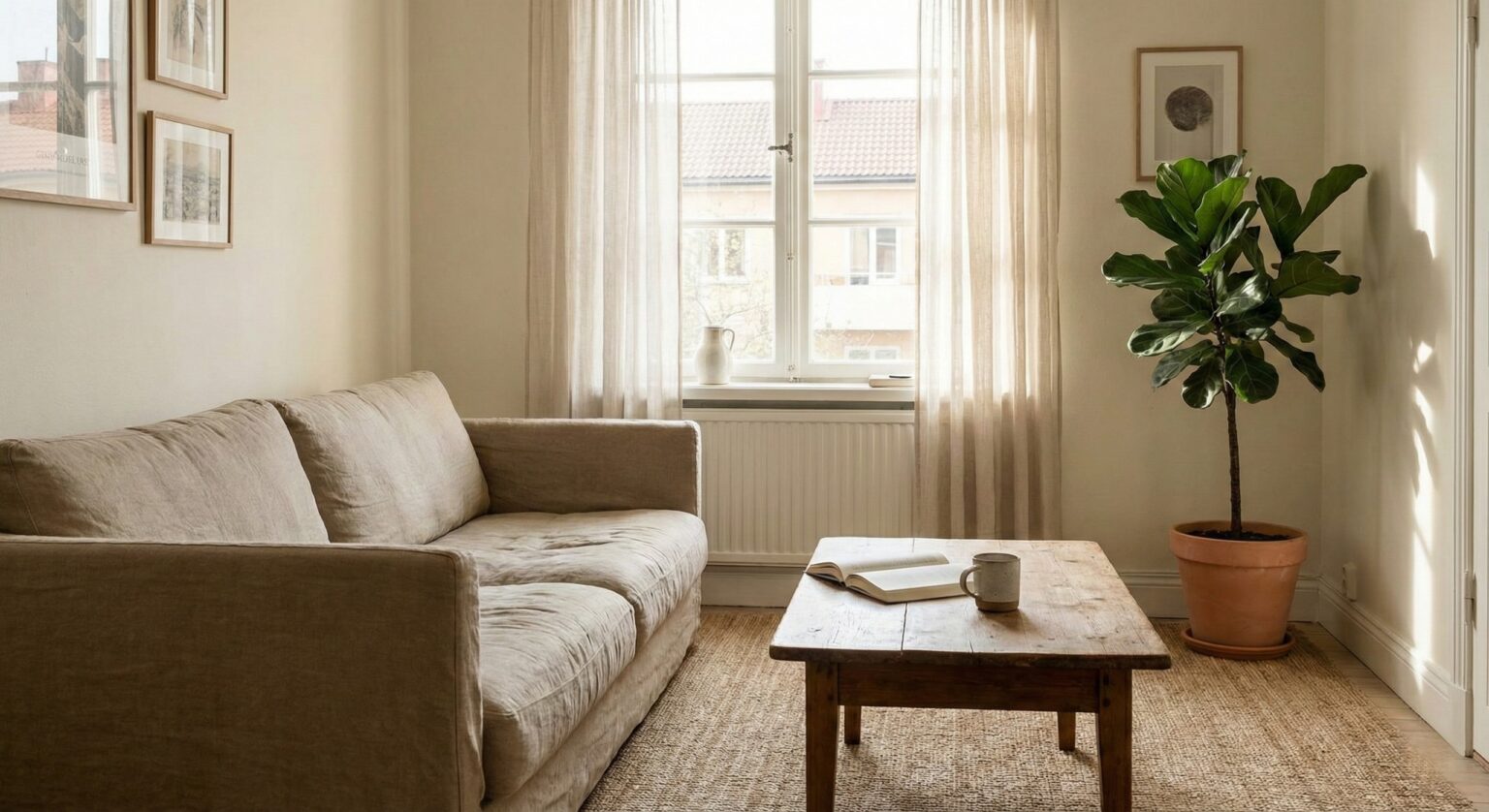
It is not about white walls, empty houses, or giving up comfort.
It is about removing excess so that what remains actually supports your life.
Minimalism helps you:
Think clearly
Waste less time
Reduce mental pressure
Focus on what truly matters
It is not a style.
It is a way of living with intention.
1. What Minimalist Living Actually Means in Real Life
Minimalism does not mean owning nothing.
It means owning only what adds value.
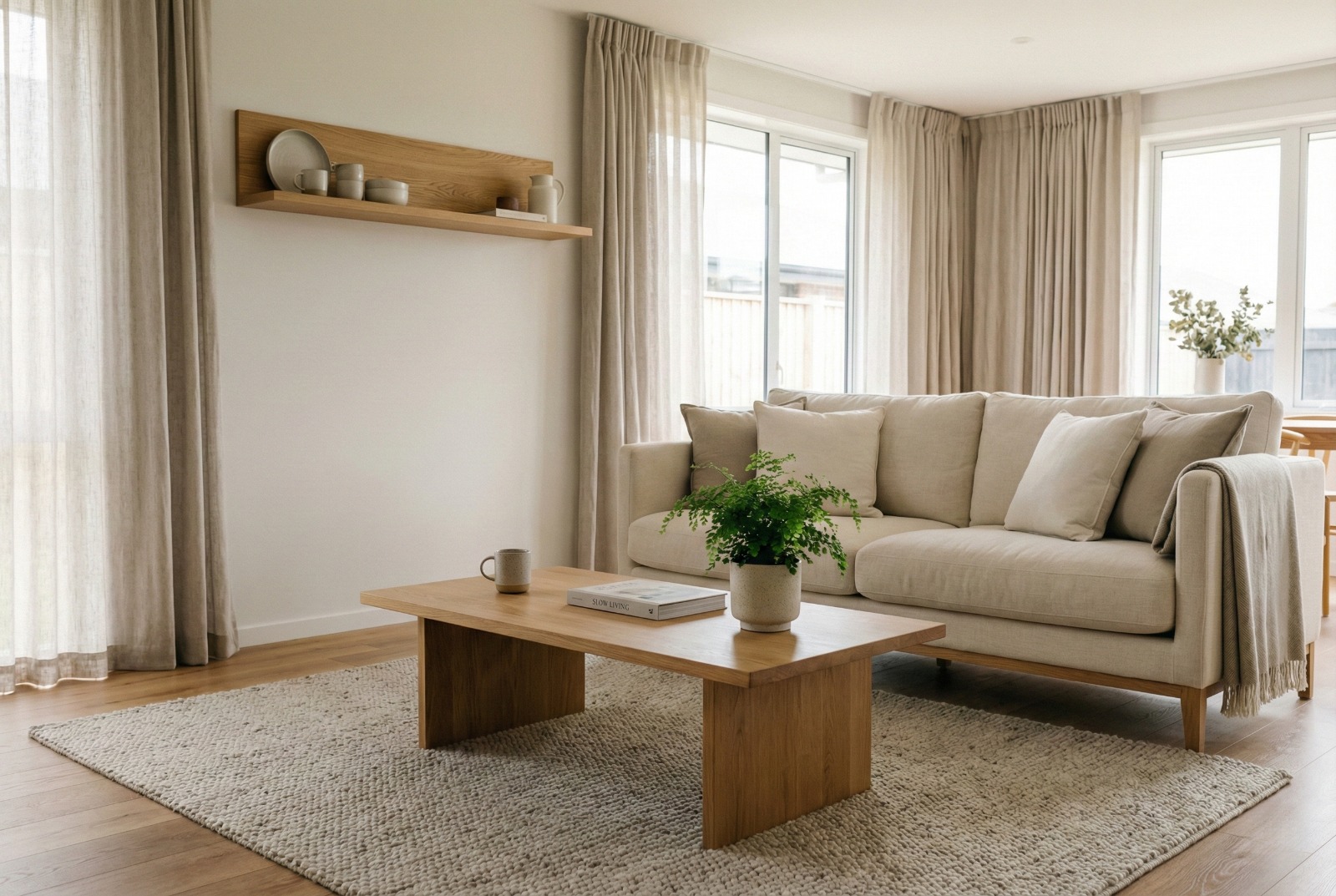
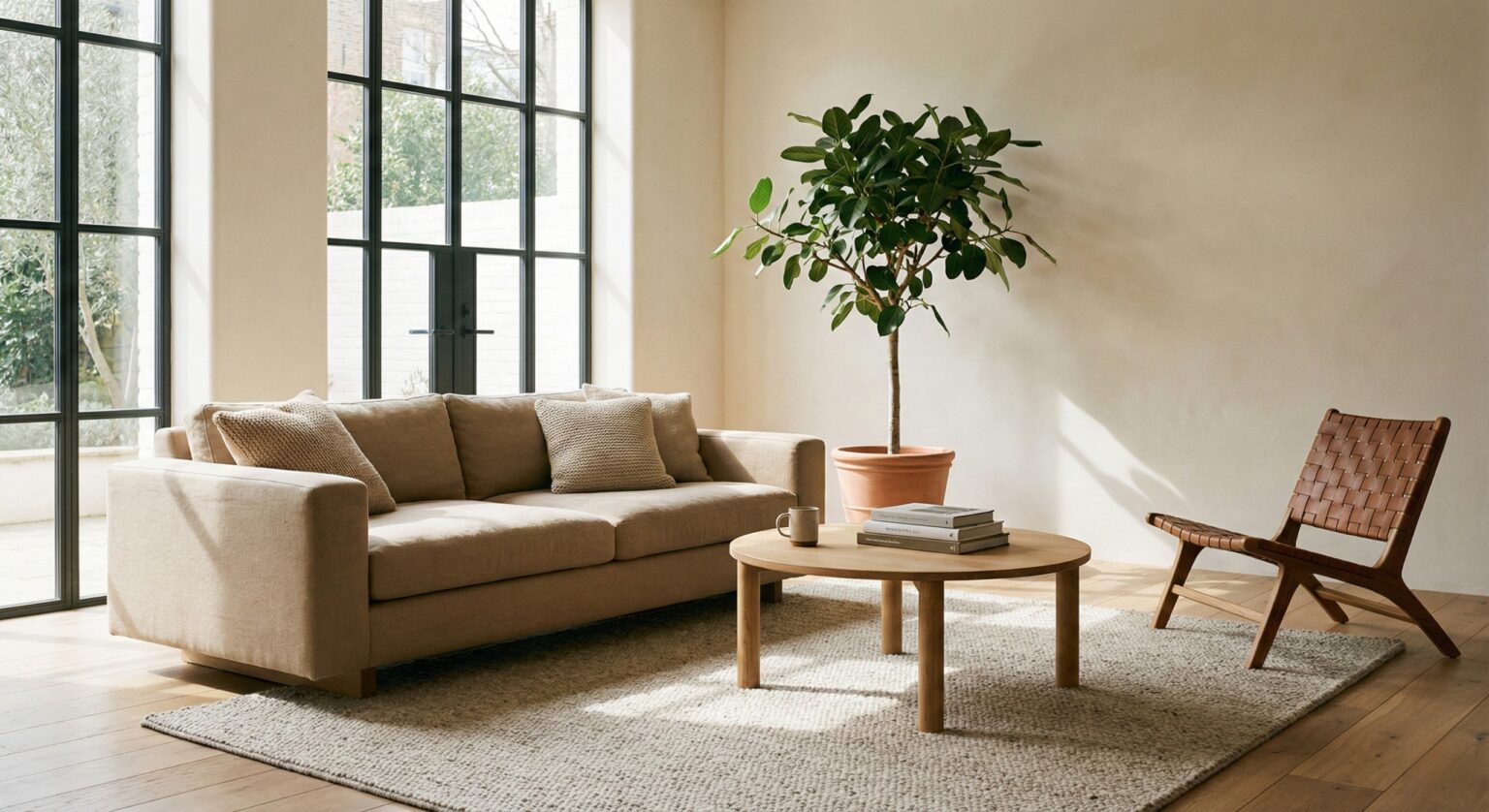
A minimalist home usually feels:
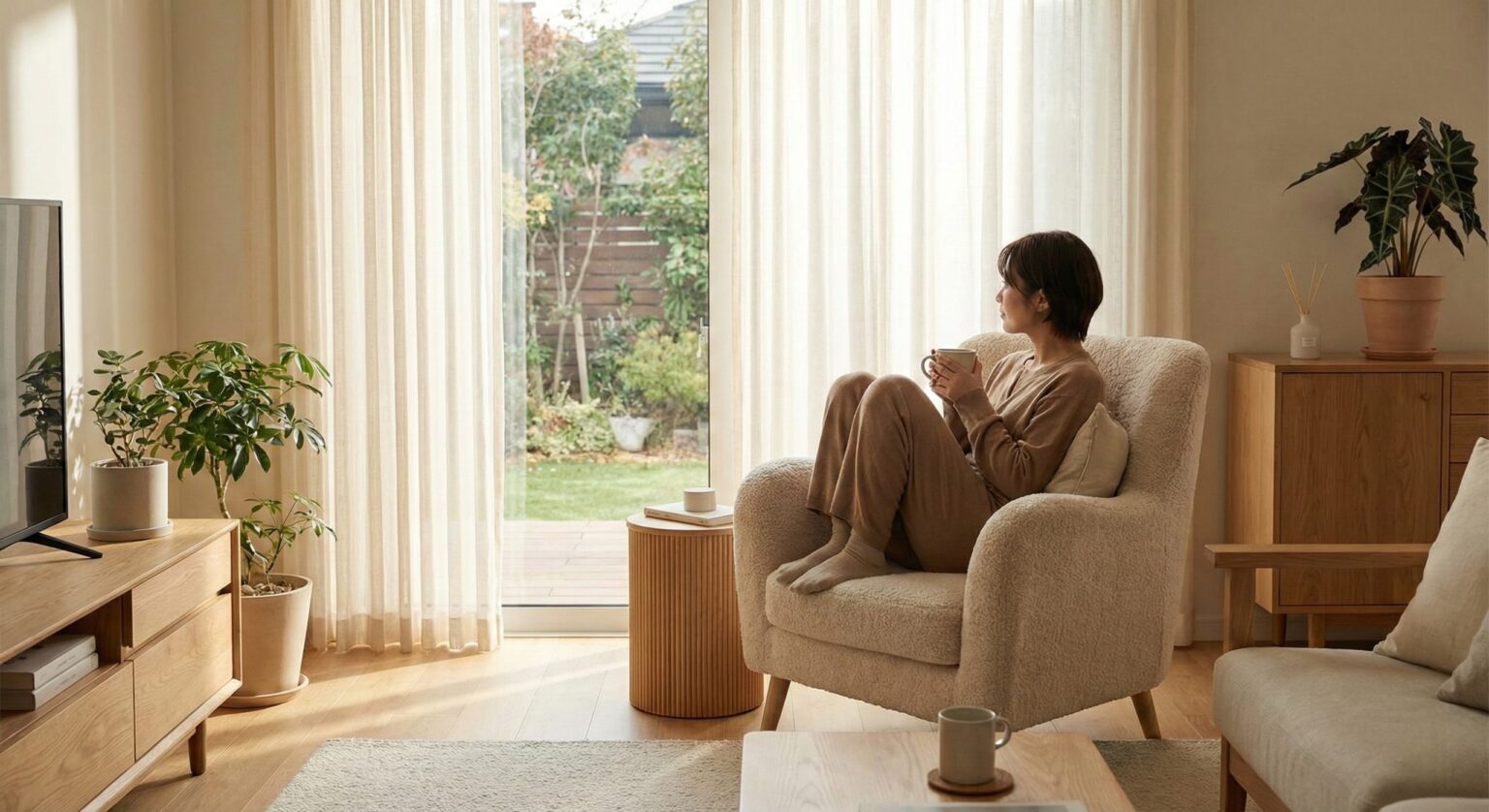
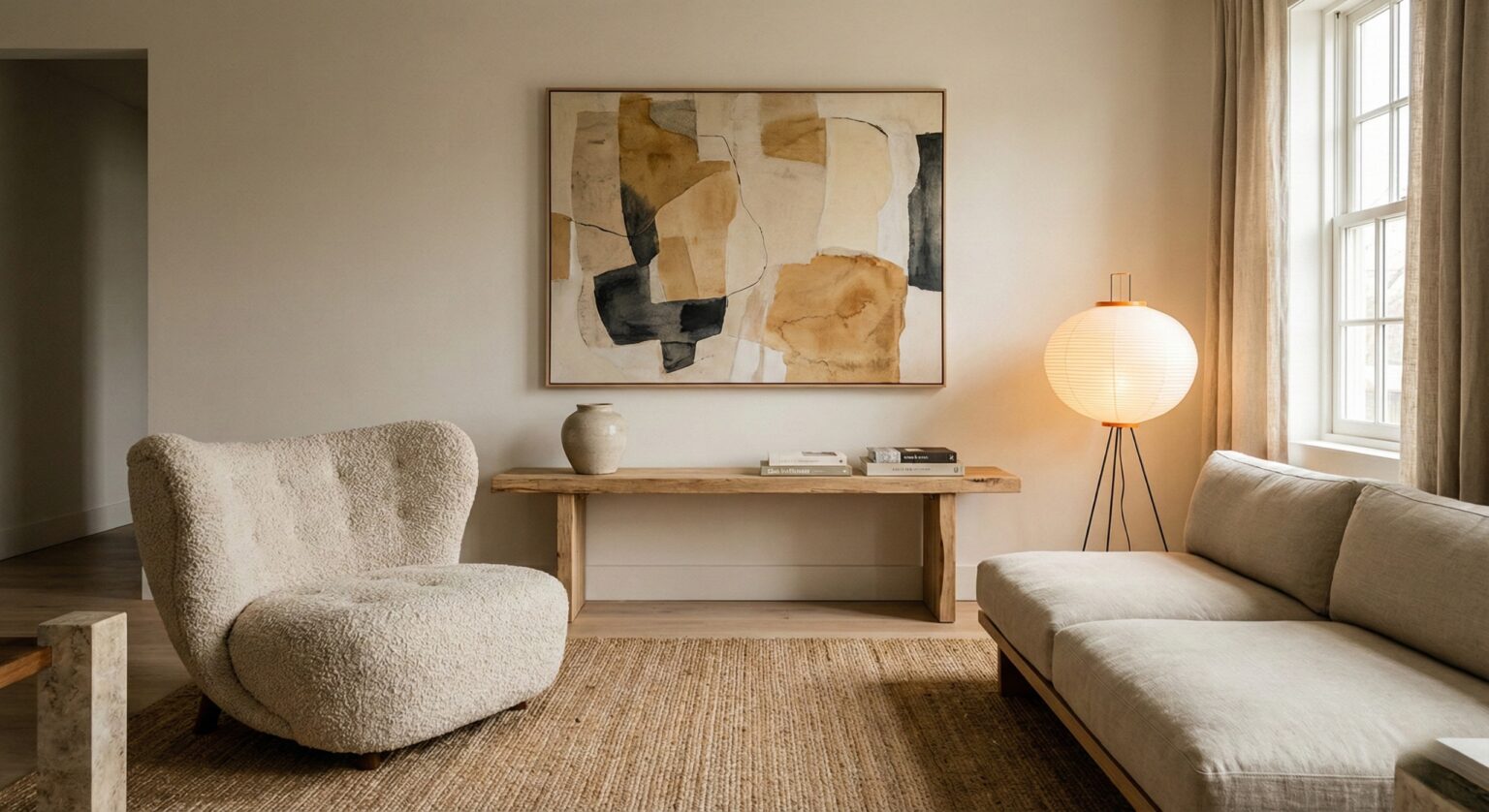
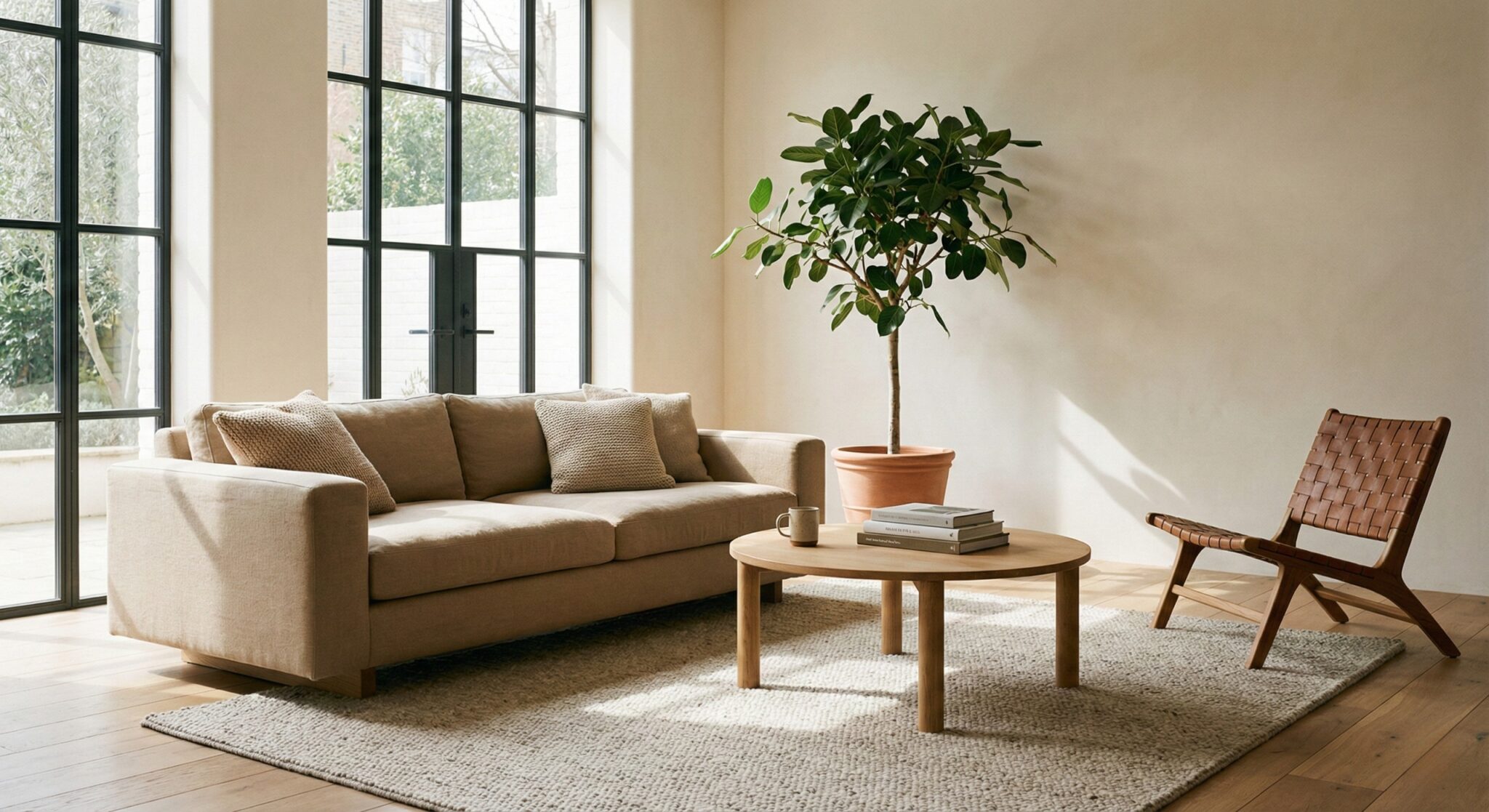
→ Calm, not cold
→ Simple, not boring
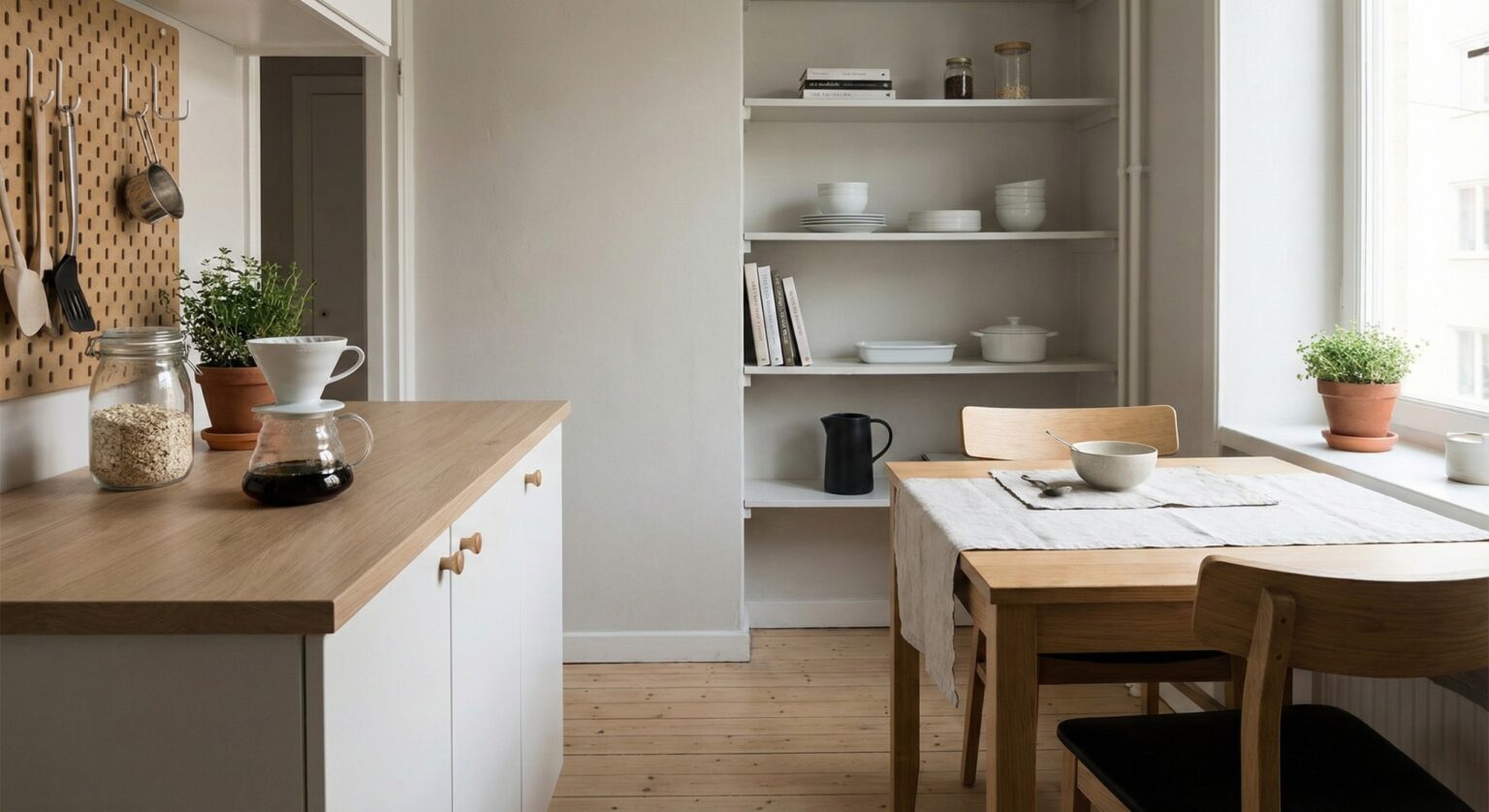
→ Functional, not empty
Minimalism is choosing purpose over accumulation.
2. Why “More” Often Creates Stress Without You Realizing
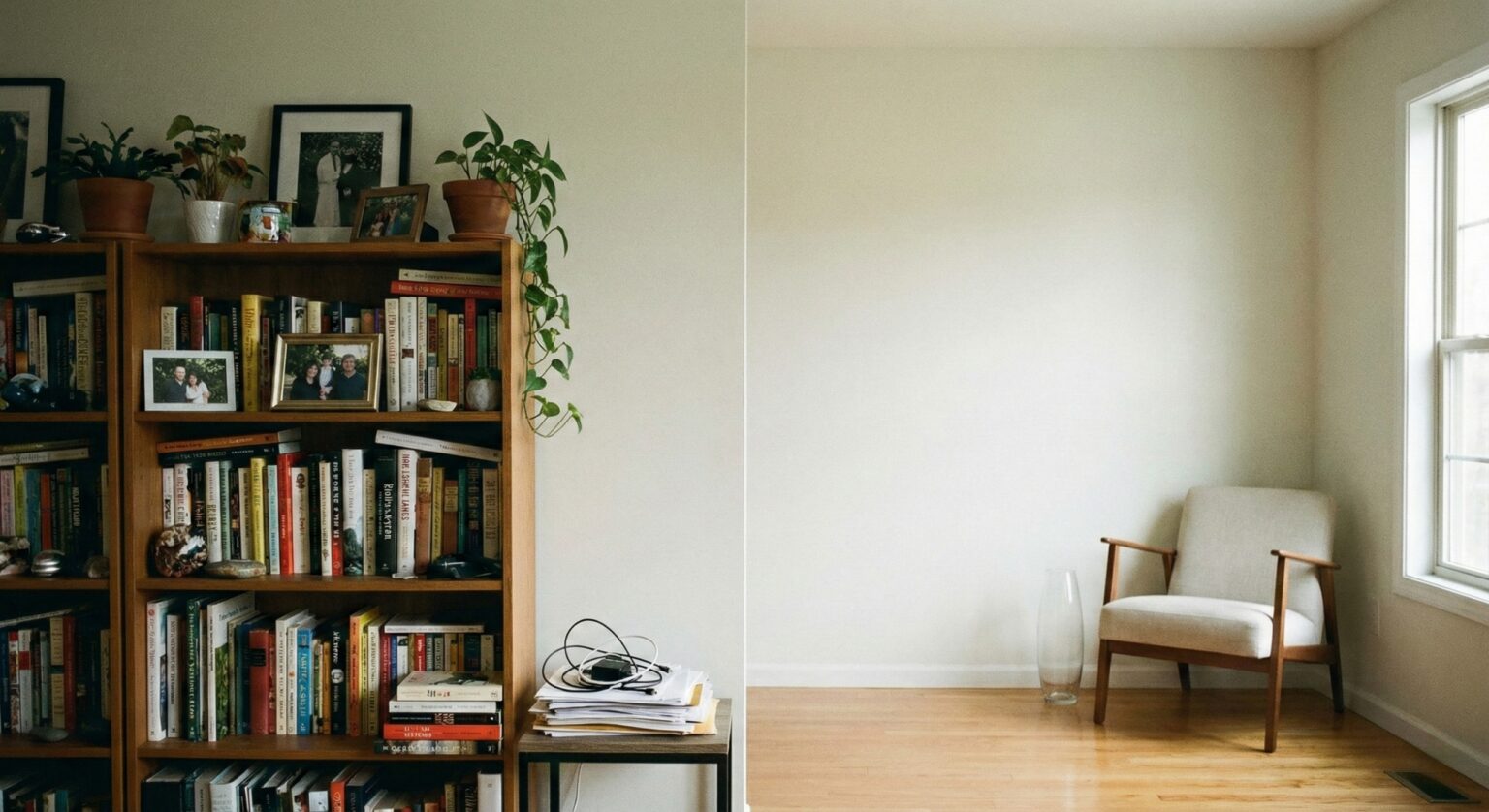
Too many things create invisible noise.
Extra items lead to:
More decisions
More cleaning
More maintenance
More mental fatigue
When everything demands attention, your mind never truly rests.
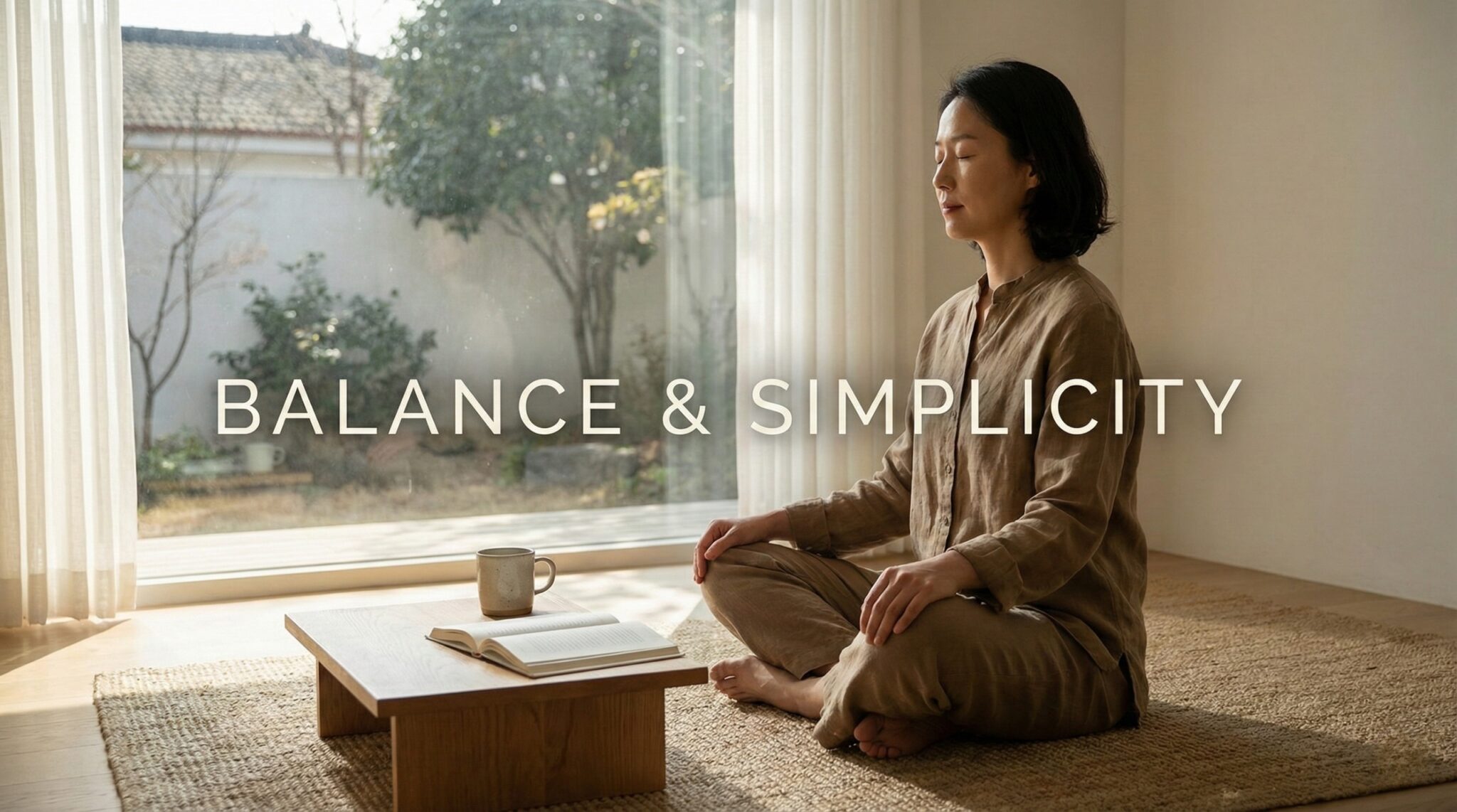
Less clutter creates mental breathing space.
3. Minimalism Starts With Awareness, Not Decluttering
Most people start minimalism by throwing things away.
That is not the real beginning.
Real minimalism starts by asking:
→ Why do I own this?
→ Do I use it, or does it just sit there?
→ Does it support my current life?
Minimalism grows from awareness, not force.
4. Owning Fewer Things Saves More Than Space
Minimalist living quietly saves:
Time
Energy
Money
Attention
When you own less:
→ You shop with intention
→ You clean faster
→ You maintain less
→ You feel lighter
Minimalism is not sacrifice.
It is efficiency.
5. Minimalism and Emotional Clarity
A crowded space often reflects a crowded mind.
Minimalist environments help by:
→ Reducing overwhelm
→ Improving focus
→ Supporting emotional balance
→ Creating calm routines
This is why many people feel better after organizing — not because it looks good, but because it feels right.
6. Minimalist Living Does Not Mean Boring Life
Minimalism removes excess — not joy.
A minimalist life still includes:
→ Comfort
→ Beauty
→ Personal taste
→ Meaningful possessions
The difference is:
You choose consciously instead of accumulating mindlessly.
7. How to Practice Minimalism Without Pressure
Minimalism is not a competition.
You don’t need:
Perfect rooms
Matching furniture
Social media approval
Start small:
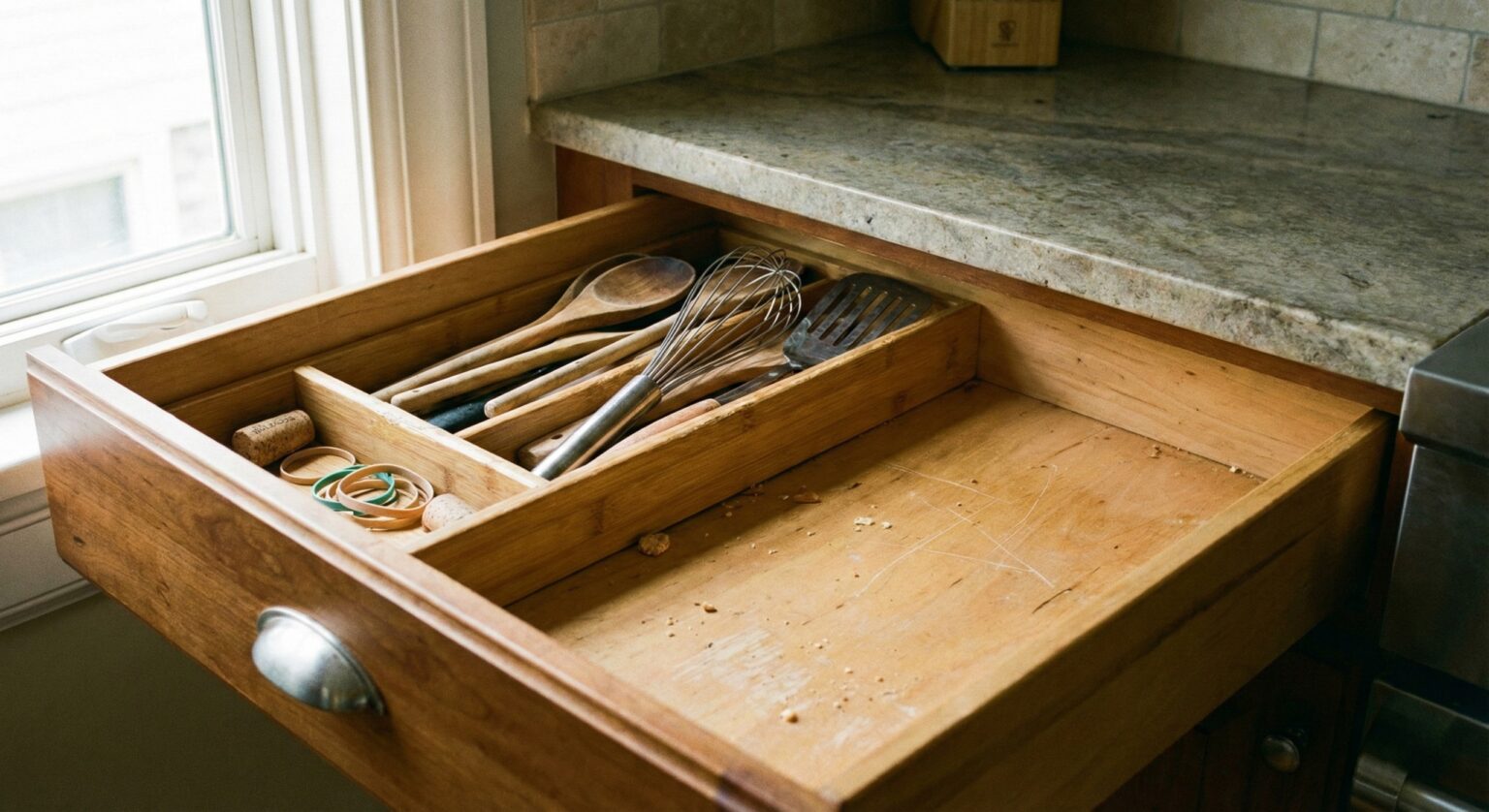
→ One drawer
→ One habit
→ One decision at a time
Minimalism should free you, not stress you.
Conclusion: Minimalism Is Space for What Truly Matters
Minimalist living is about creating room —
not just in your home, but in your life.
When you own less:
You focus more
You stress less
You live intentionally
Minimalism is not about becoming someone else.
It is about removing what blocks you from being yourself.