How a Clean, Organized Home Can Quietly Fix Your Life
Introduction: Your Home Reflects Your Mind More Than You Realize
Home organization is not about perfect shelves or Instagram-style houses.
It is about how your environment affects your focus, mood, energy, and daily discipline.
A cluttered home often leads to:
Mental overload
Constant irritation
Low motivation
Wasted time searching for things
An organized home does the opposite — it supports your life silently.
This guide will help you understand why home organization matters and how to build it without stress.
1. What Home Organization Really Means
Home organization does not mean minimal furniture or empty rooms.
It simply means:
→ Everything has a place
→ Your space supports your daily routine
→ You can find what you need easily
→ Your home feels calm, not chaotic
An organized home works for you, not against you.
2. Why Clutter Drains Your Energy Without You Noticing
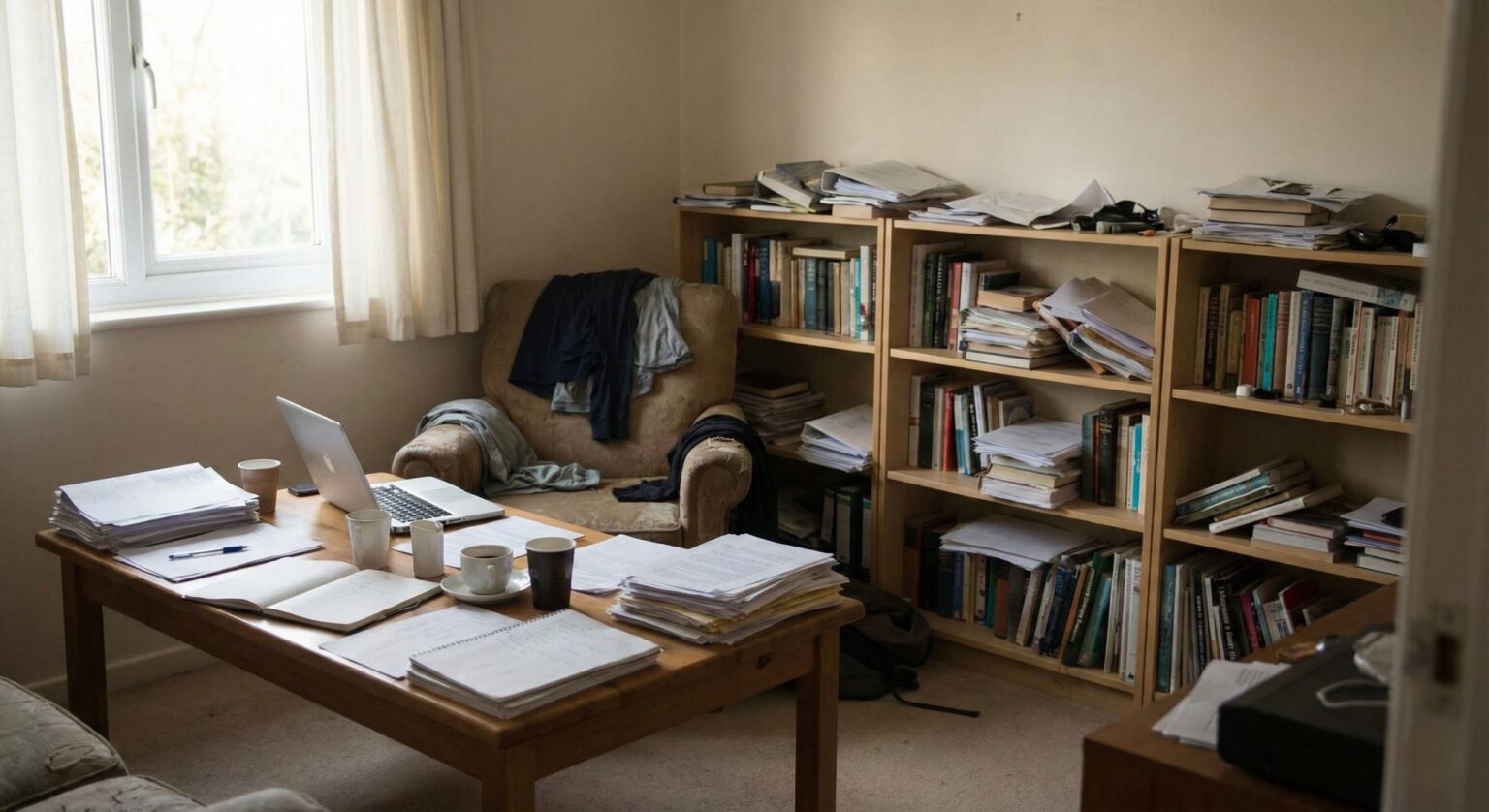
Clutter is not just physical — it creates mental noise.
When your home is messy:
Your brain stays in problem-solving mode
You feel tired without doing much
Small tasks feel heavier
Stress increases quietly
A cleaner space reduces mental pressure instantly.
3. Start With Function, Not Perfection
The biggest mistake people make is trying to organize everything at once.
Instead:
→ Start with the spaces you use daily
→ Focus on usefulness, not beauty
→ Organize for real life, not guests
Your home should serve your habits, not social expectations.
4. The One-Room-At-A-Time Rule
Trying to organize the entire house leads to burnout.
A better approach:
→ Pick one room
→ Finish it completely
→ Move to the next
Progress feels motivating when it is visible and complete.
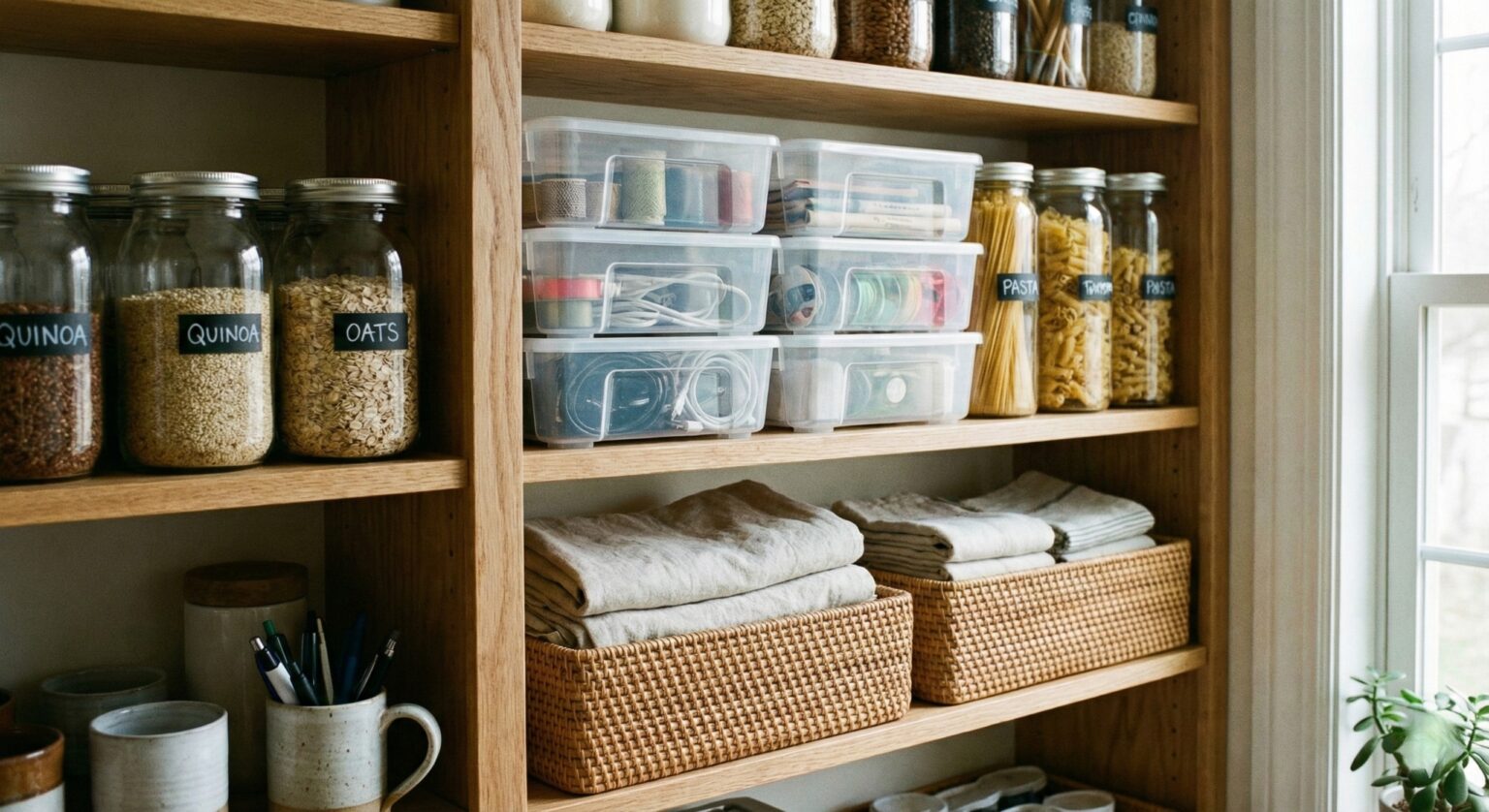
5. Smart Storage Is About Access, Not Hiding
Good organization is not about hiding things — it is about easy access.
Smart storage habits:
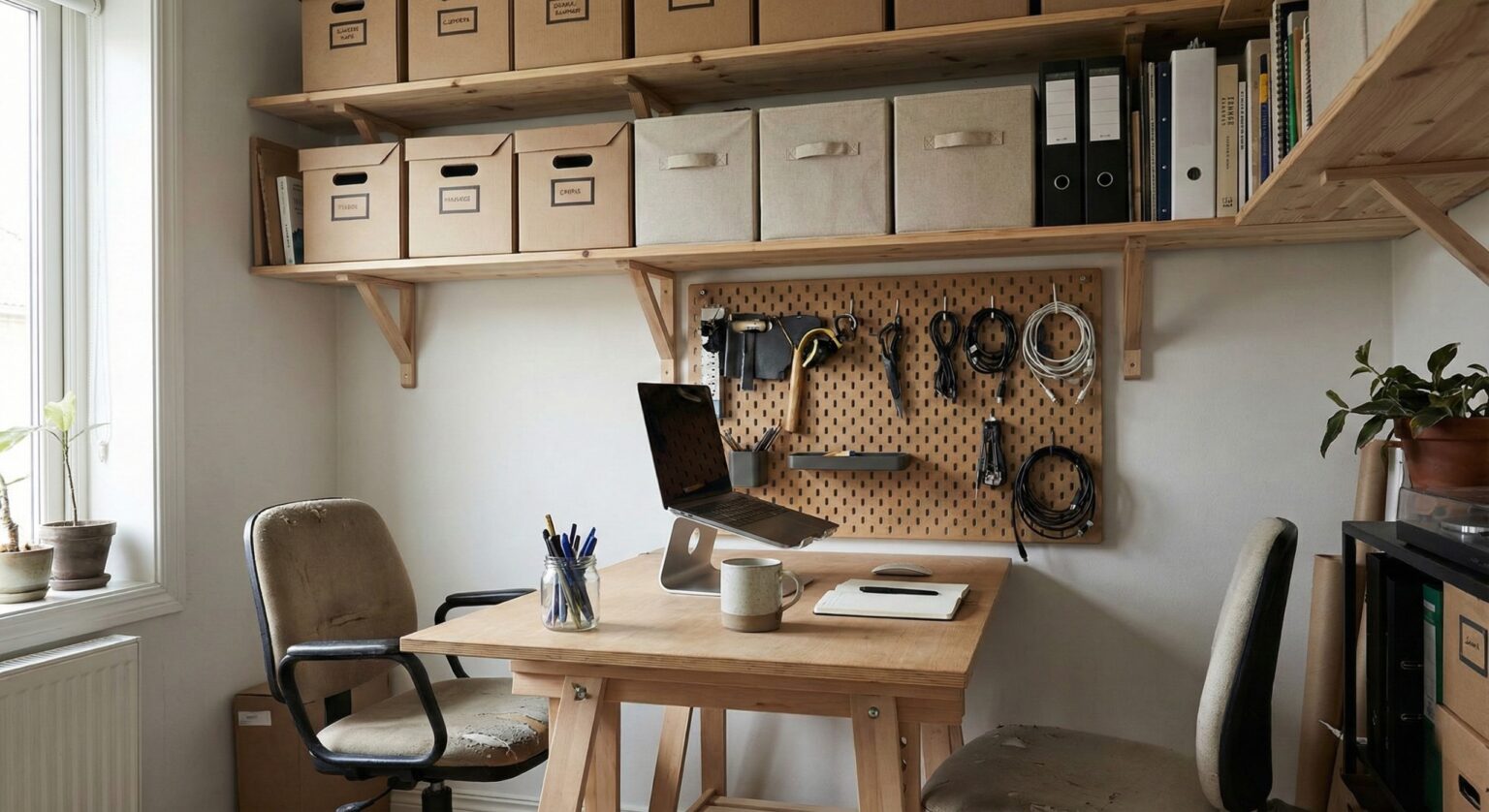
→ Keep daily-use items within reach
→ Store rarely used items higher or deeper
→ Use transparent or labeled containers
→ Avoid overstuffed drawers
If something is hard to reach, you will stop using it.
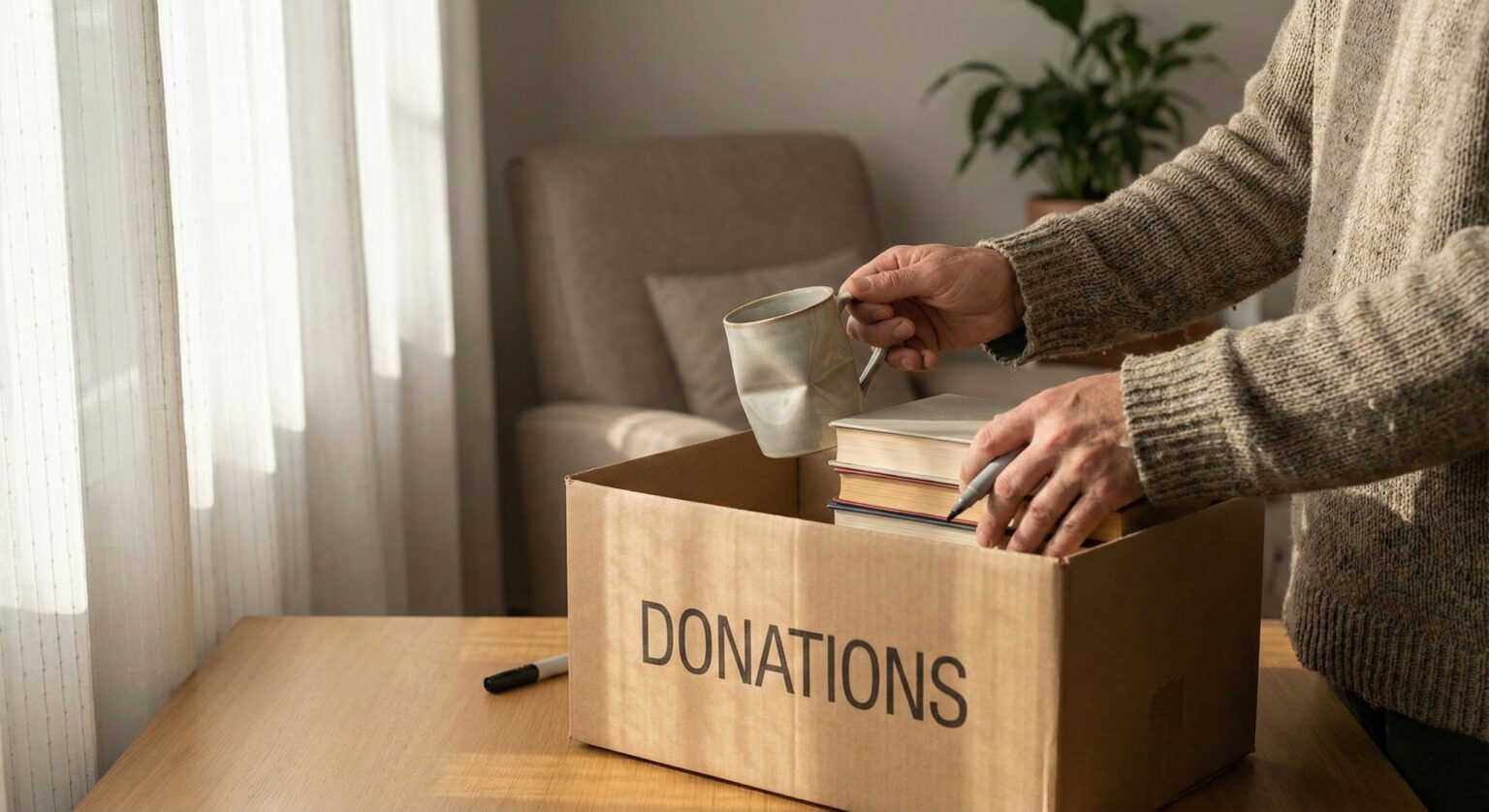
6. Decluttering Without Emotional Stress
Decluttering feels difficult because of emotional attachment.
A simple rule:
→ If you haven’t used it in one year, question it
→ If it causes guilt instead of usefulness, let it go
→ Keep items that support your present life
Your home should reflect who you are now, not who you were.
7. Daily Micro-Habits That Keep Homes Organized
Home organization is not a one-time task.
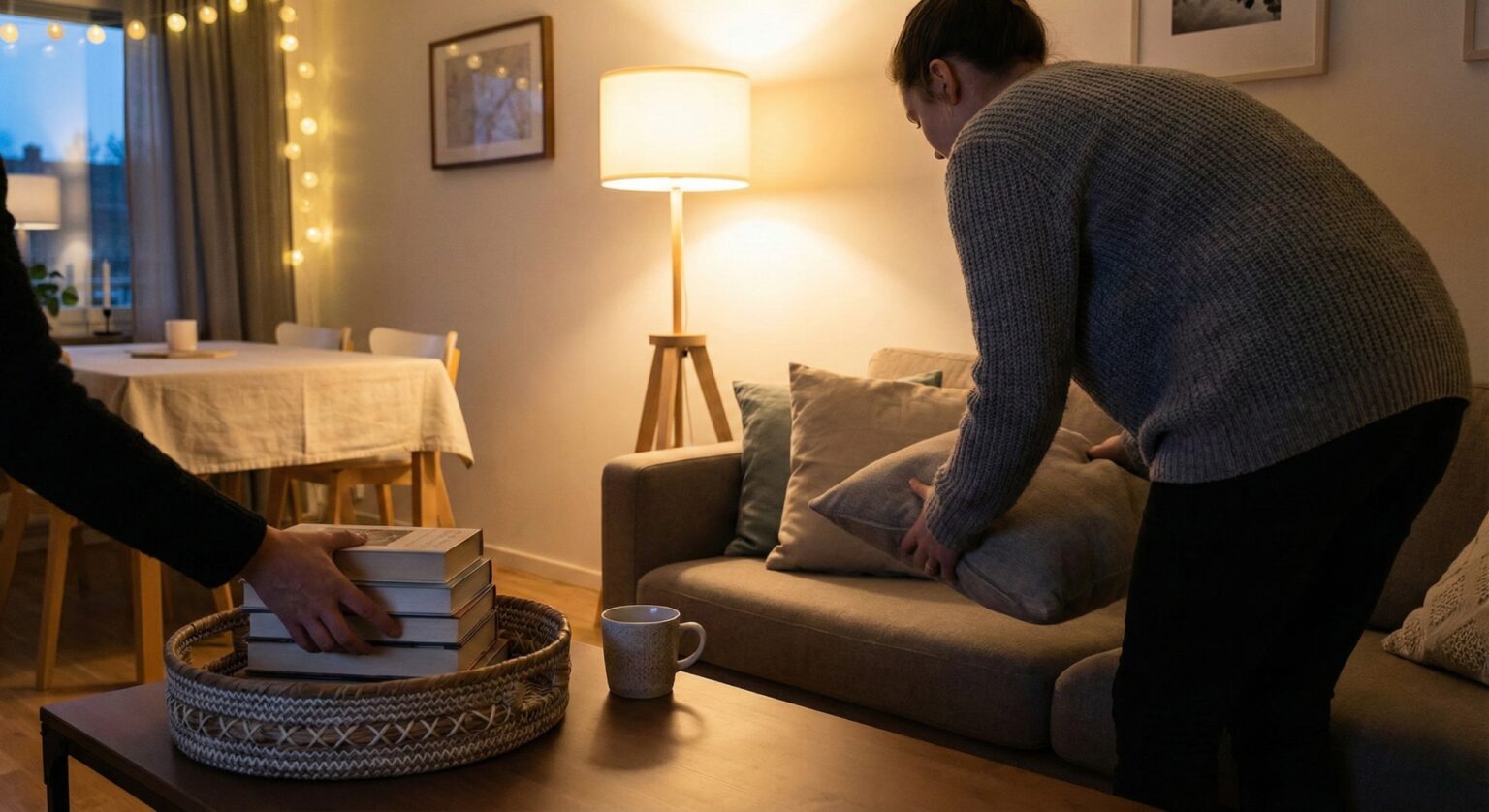
Small daily habits make the biggest difference:
→ 5-minute cleanup before sleep
→ Returning items to their place immediately
→ Clearing surfaces once a day
→ Weekly quick reset
Consistency beats deep cleaning.
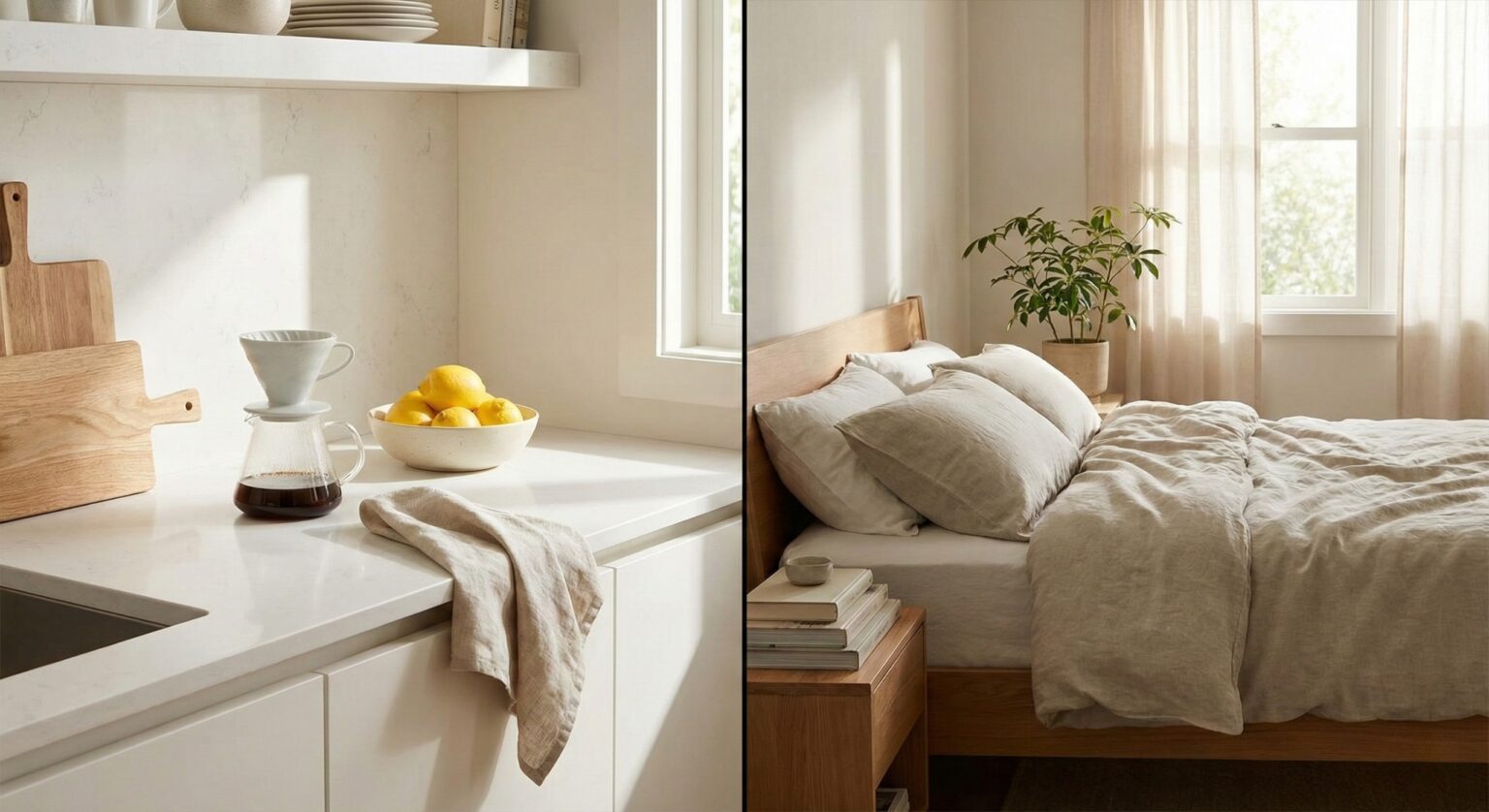
8. Kitchen and Bedroom: The Two Most Important Areas
If you organize only two spaces, choose these:
Kitchen
→ Impacts eating habits
→ Affects health and routine
Bedroom
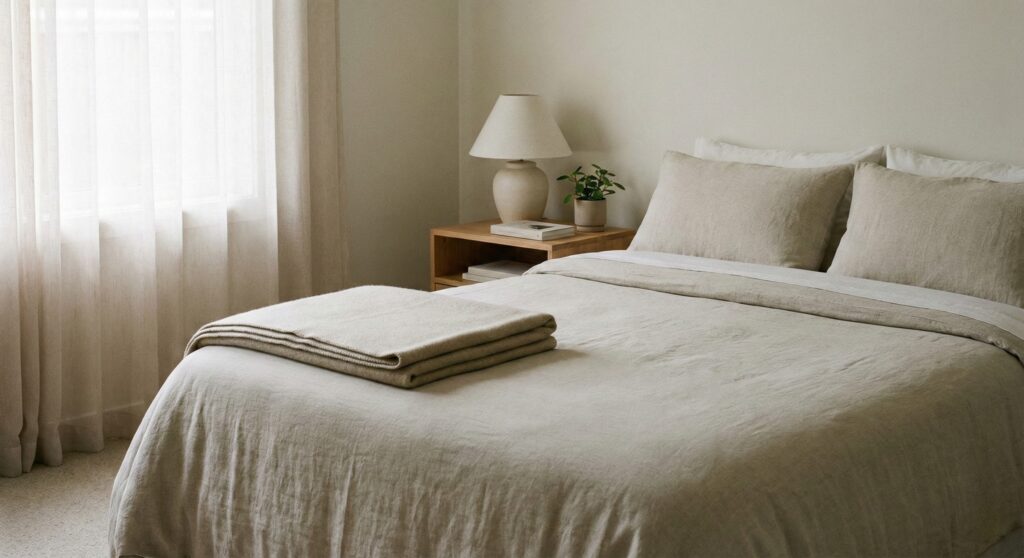
→ Affects sleep quality
→ Influences mood and stress
A calm kitchen and bedroom improve life faster than any other space.
9. Organization and Mental Health Connection
A clean environment creates psychological safety.
Benefits include:
Reduced anxiety
Better focus
Improved sleep
Feeling more in control
Organizing your home is a form of self-respect, not cleanliness obsession.
10. Keep Organization Realistic, Not Rigid
Your home does not need to stay perfect.
Allow:
→ Messy days
→ Busy weeks
→ Imperfect systems
Organization should support your life — not become another pressure.
Conclusion: An Organized Home Creates Quiet Confidence
Home organization is not about impressing others.
It is about creating a space where your mind can rest.
When your home feels ordered:
Decisions become easier
Stress reduces naturally
Life feels more manageable
Start small.
Stay consistent.
Let your home become a place that supports you — every day.