








Grooming & Self-Care: Not About Looks, But How You Show Up in Life
Grooming Is Not Vanity, It’s Awareness
Many people think grooming is only about looking good.
In reality, grooming and self-care are about how you respect yourself.
It affects:
Confidence
First impressions
Mental clarity
Discipline
Even how seriously people take you
Self-care is not luxury.
It is basic maintenance for a functional life.
1. What Grooming Really Means (Beyond Looks)
Grooming is not about expensive products or trends.
It is about cleanliness, order, and consistency.
Good grooming usually shows in small things:
→ Clean clothes
→ Fresh breath
→ Neat hair
→ Trimmed nails
→ Basic hygiene
You don’t need perfection.
You need care.
2. Personal Hygiene: The Foundation Everyone Skips Talking About
Most grooming problems start with poor hygiene, not poor products.
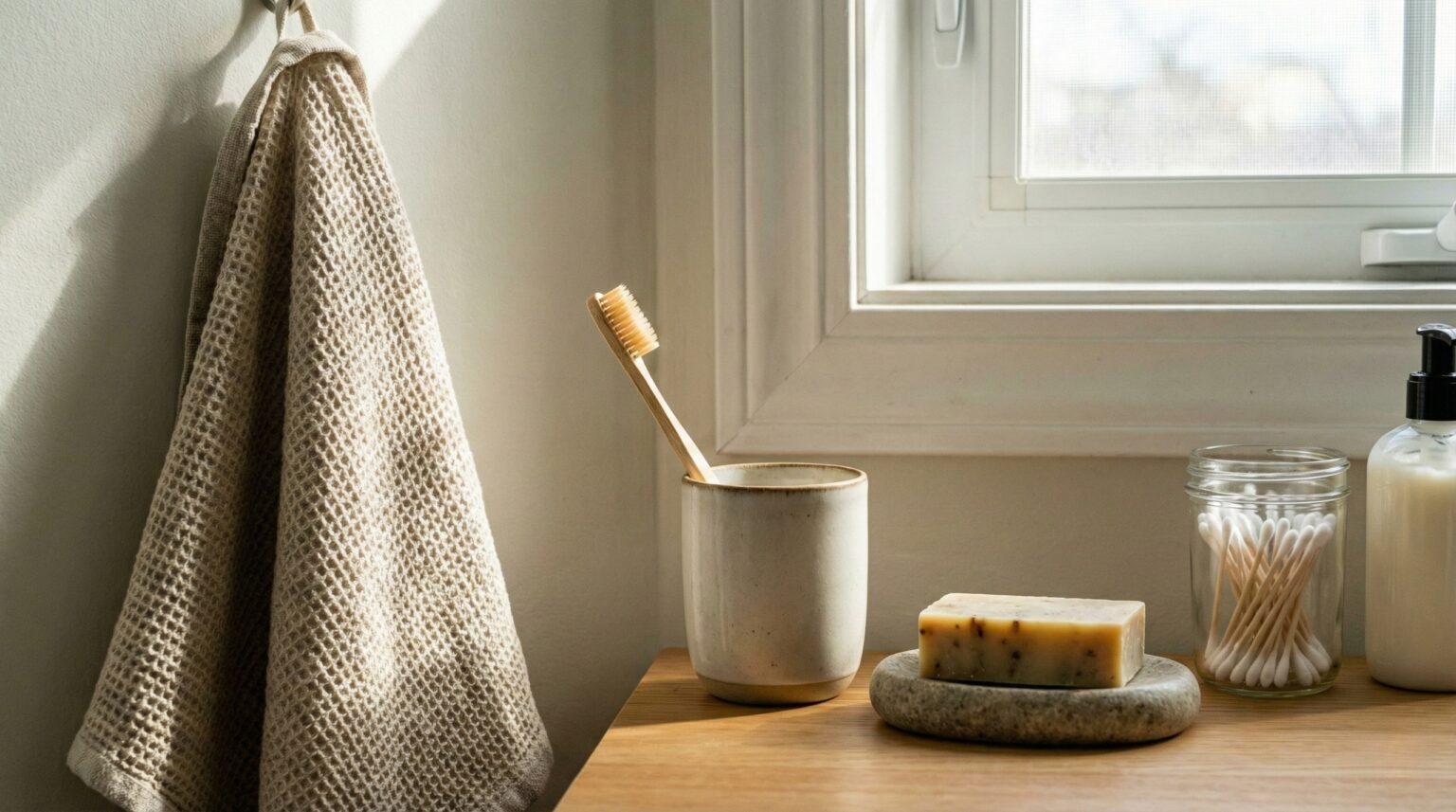
Basic hygiene habits include:
→ Daily bathing or proper cleaning
→ Clean underarms and feet
→ Oral hygiene (brushing, flossing if possible)
→ Wearing fresh clothes
When hygiene is weak, no perfume or styling can fix it.
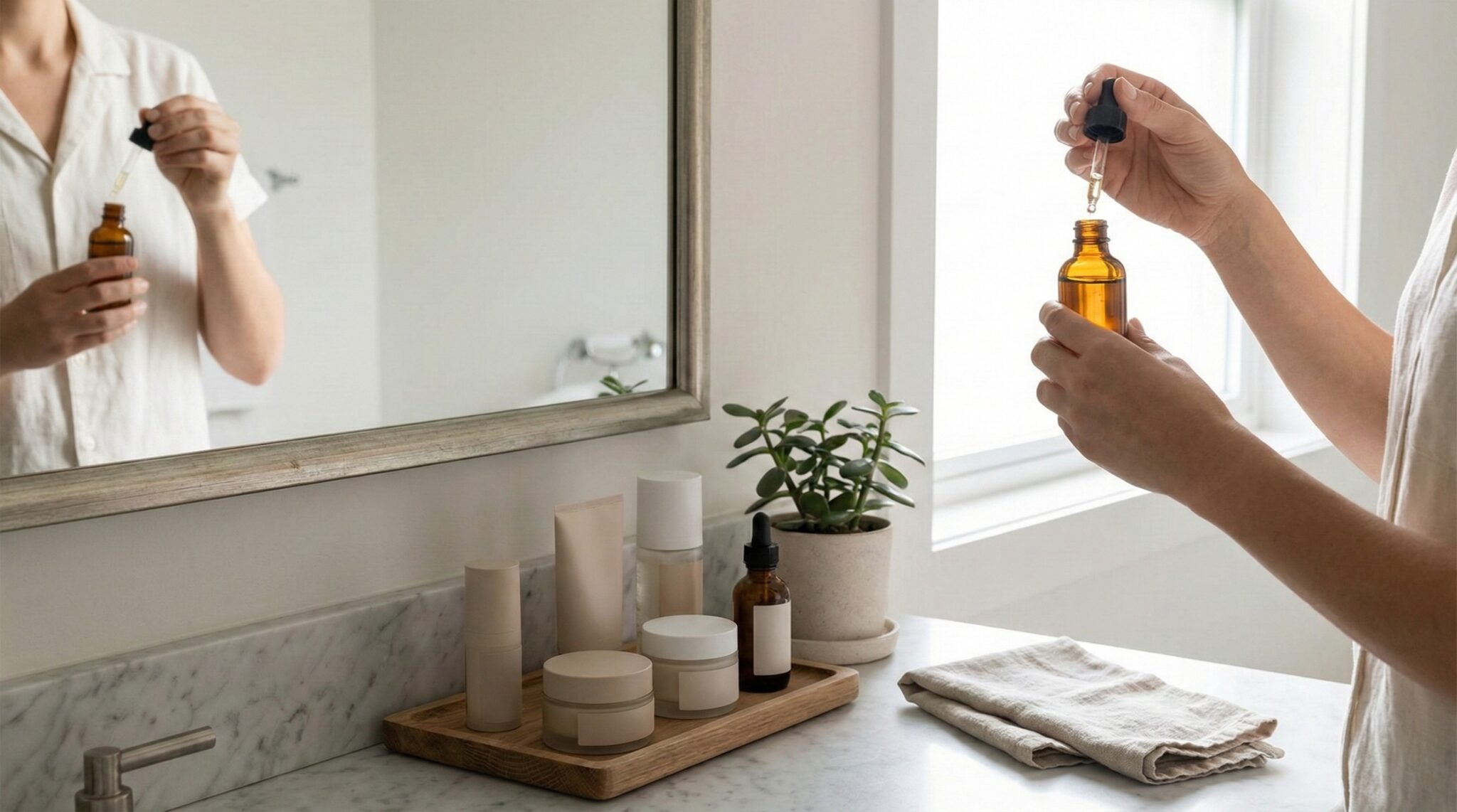
3. Skincare as Health, Not Beauty
Skin is your body’s largest organ.
Caring for it is about health, not looks.
Simple skincare means:
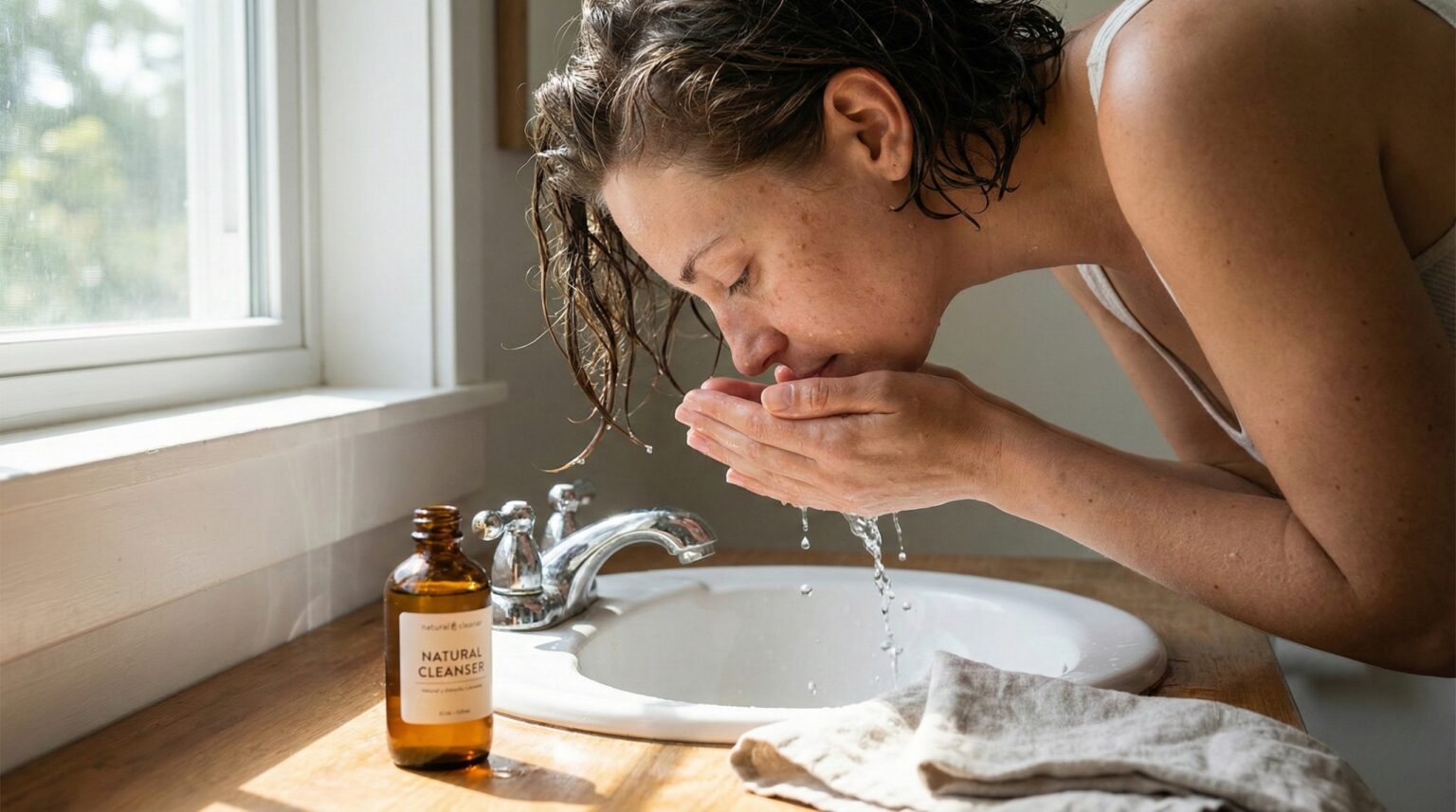
→ Washing your face gently
→ Not overwashing or scrubbing hard
→ Protecting skin from harsh sun
→ Keeping skin clean, not shiny
Healthy skin usually looks good on its own.
4. Hair Care: Simple and Sustainable
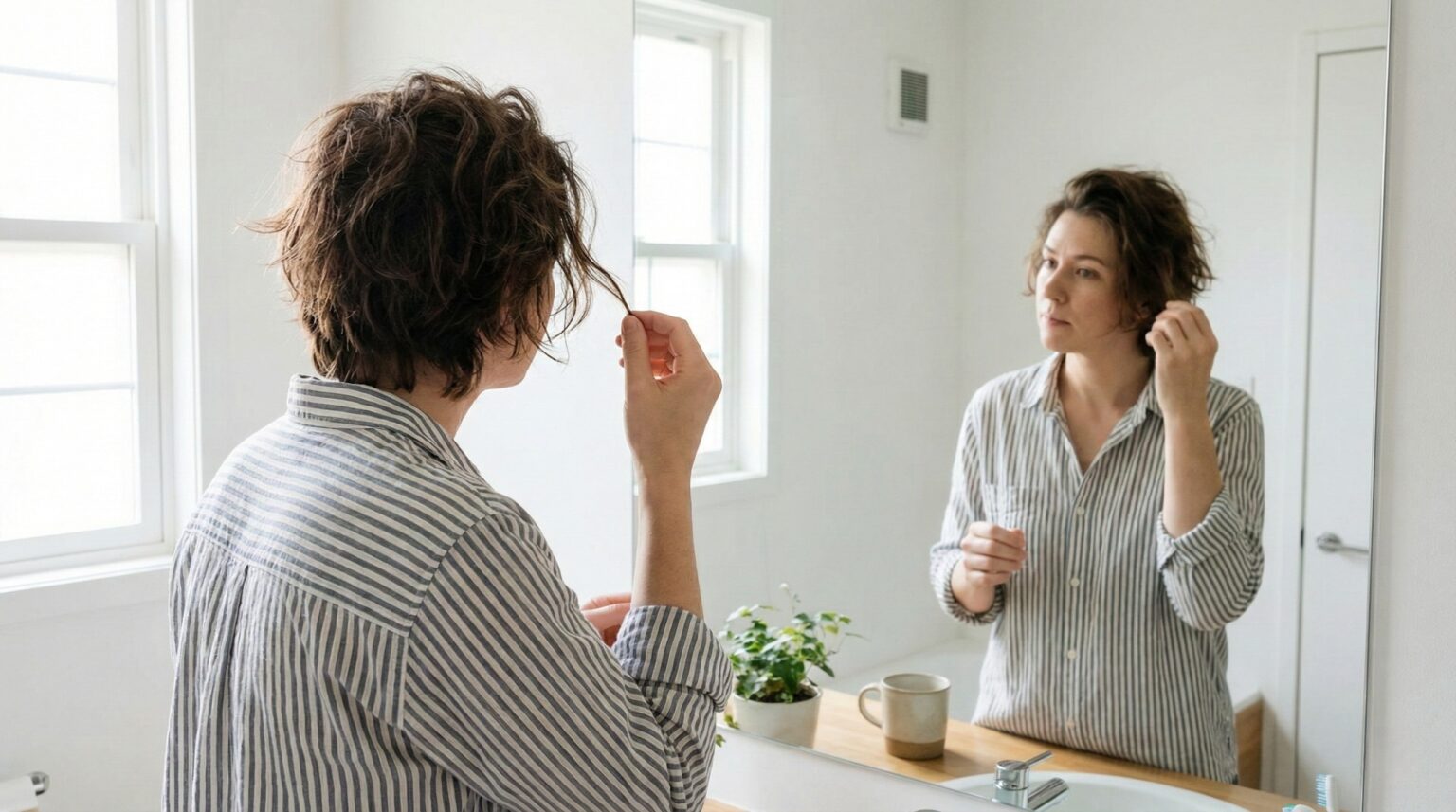
Hair care does not need complex routines.
What matters more:
→ Keeping scalp clean
→ Avoiding excessive heat or harsh products
→ Trimming when needed
→ Not stressing over minor hair changes
Consistency beats fancy treatments.
5. Clothing, Fit, and Personal Presentation
Good grooming is incomplete without basic clothing awareness.
You don’t need fashion knowledge.
You need fit and cleanliness.
Helpful habits:
→ Wearing clean, ironed clothes
→ Choosing comfort over trends
→ Keeping shoes clean
→ Avoiding overly loud styles
When clothes fit well, confidence improves naturally.
6. Grooming and Mental Health Connection
Neglecting grooming is often a sign, not a cause.
During stress or low mood, people often stop caring for themselves.
Gentle self-care helps by:
→ Restoring routine
→ Improving self-image
→ Creating control in chaos
→ Lifting mood slightly
You don’t groom because you feel good.
You groom to start feeling better.
7. Self-Care Is More Than Physical Maintenance
Self-care also includes how you treat your time and energy.
Real self-care looks like:
→ Saying no when needed
→ Taking breaks without guilt
→ Sleeping on time
→ Reducing unnecessary stress
Sometimes the best self-care is rest, not action.
8. Building a Grooming Routine You Can Maintain
The best grooming routine is the one you can follow daily.
Start simple:
→ Fix one hygiene habit
→ Add one skincare step if needed
→ Keep grooming time short
→ Be consistent, not perfect
A 5-minute routine done daily beats a 30-minute routine done once a week.
9. Grooming for Different Life Situations
Your grooming changes with your lifestyle.
For workdays:
→ Clean, neat, low-maintenance
For travel:
→ Simple, functional, comfortable
For home days:
→ Clean and relaxed, not careless
Grooming should support your life, not complicate it.
10. Long-Term Self-Care Is About Respect
Self-care is not about impressing others.
It is about showing respect to your own body and mind.
When you care for yourself regularly:
Confidence improves
Discipline strengthens
Stress reduces
Life feels more manageable
You don’t need to become someone else.
You just need to take better care of who you already are.
Conclusion: Grooming Is a Quiet Form of Self-Respect
Grooming and self-care are not loud habits.
They are quiet signals that you value yourself.
No one needs to notice everything.
But you will feel the difference.
Start small.
Stay consistent.
Let self-care become normal, not special.