



𝐋𝐨𝐨𝐤𝐀𝐦𝐚𝐳𝐞

Why Women’s Digestion Changes With Age (And What You Can Do About It)

woman noticing digestion discomfort

Digestion Doesn’t Fail — It Changes

Many women think digestive problems are just “part of aging.”

But digestion does not suddenly become weak.
It changes slowly, responding to hormones, stress, routine, and lifestyle.

What worked at 20
often feels heavy at 30 or 40.

At LookAmaze, we focus on understanding why digestion changes
so women can support it — not fight it.

Hormonal Changes Directly Affect Digestion

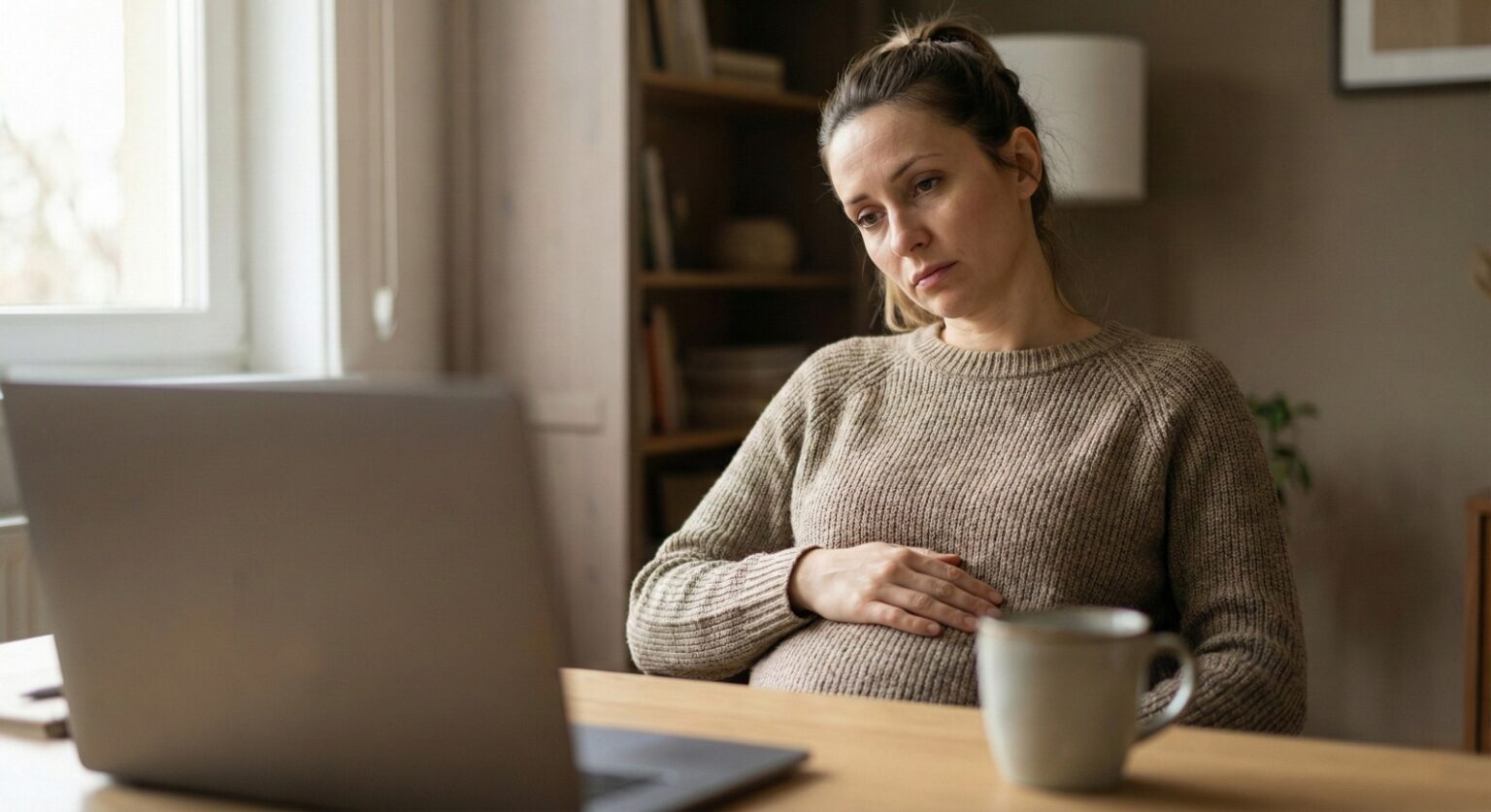
woman observing body changes

If your stomach feels tight, swollen, or uncomfortable even after simple meals, it is a clear signal that digestion is struggling.

Common causes include:
→ Low digestive enzyme activity
→ Eating too fast without chewing properly
→ Poor food combinations
→ Slow gut movement

What helps on a daily basis:
→ Eat slowly and chew food well
→ Avoid overeating, even healthy meals
→ Prefer warm, cooked food over cold and raw food
→ Include digestion-friendly foods like yogurt, buttermilk, or fermented foods

Bloating is not normal digestion.
It is an early warning sign.

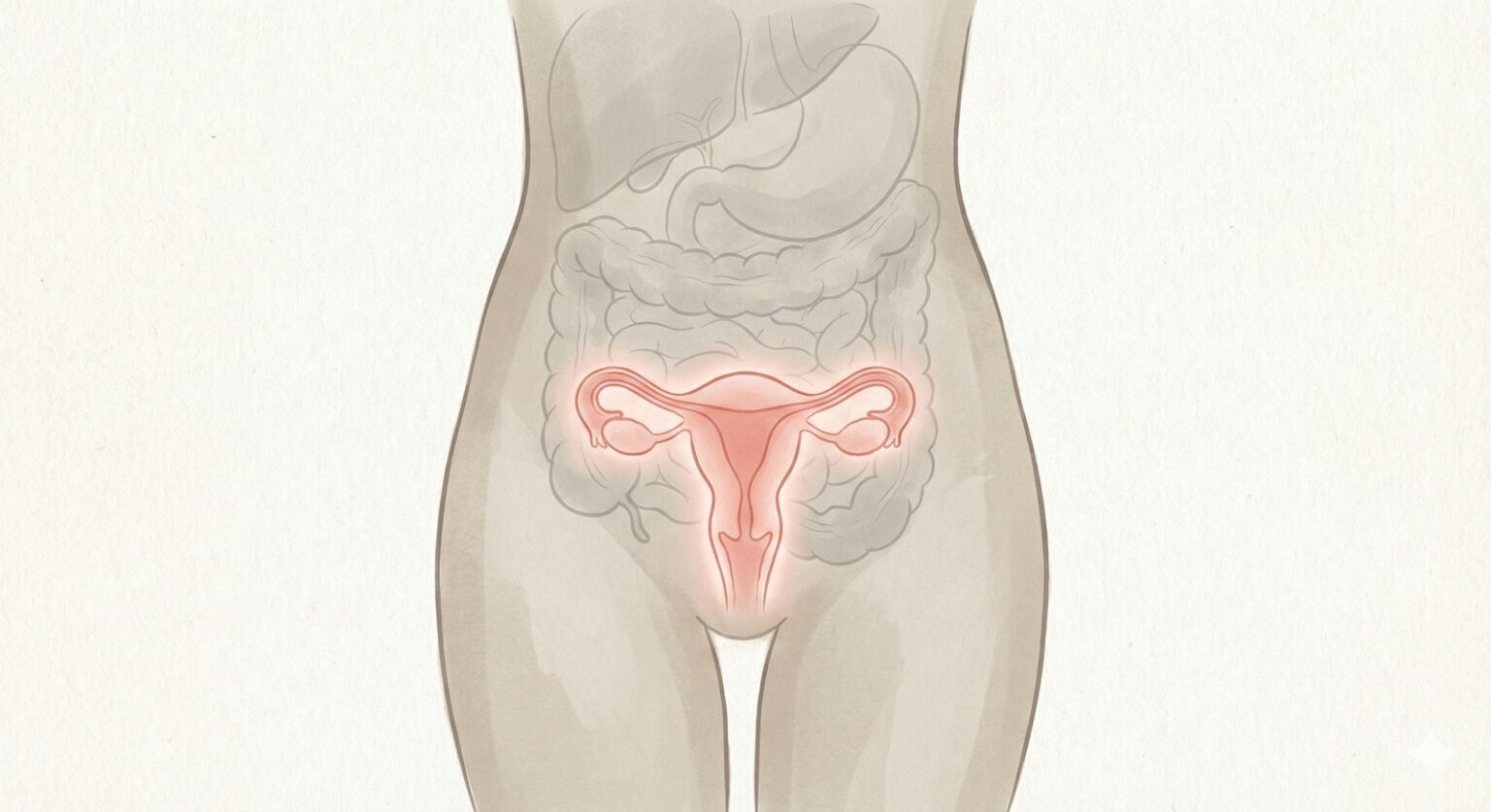
Women’s digestion is deeply connected to hormones.

With age:
→ Estrogen and progesterone fluctuate
→ Gut movement slows
→ Enzyme release reduces

This can cause:
→ Bloating
→ Constipation
→ Acidity
→ Heaviness after meals

Hormones don’t just affect periods —
they affect how food moves and breaks down.

Stress Accumulates With Age — And Hits the Gut First

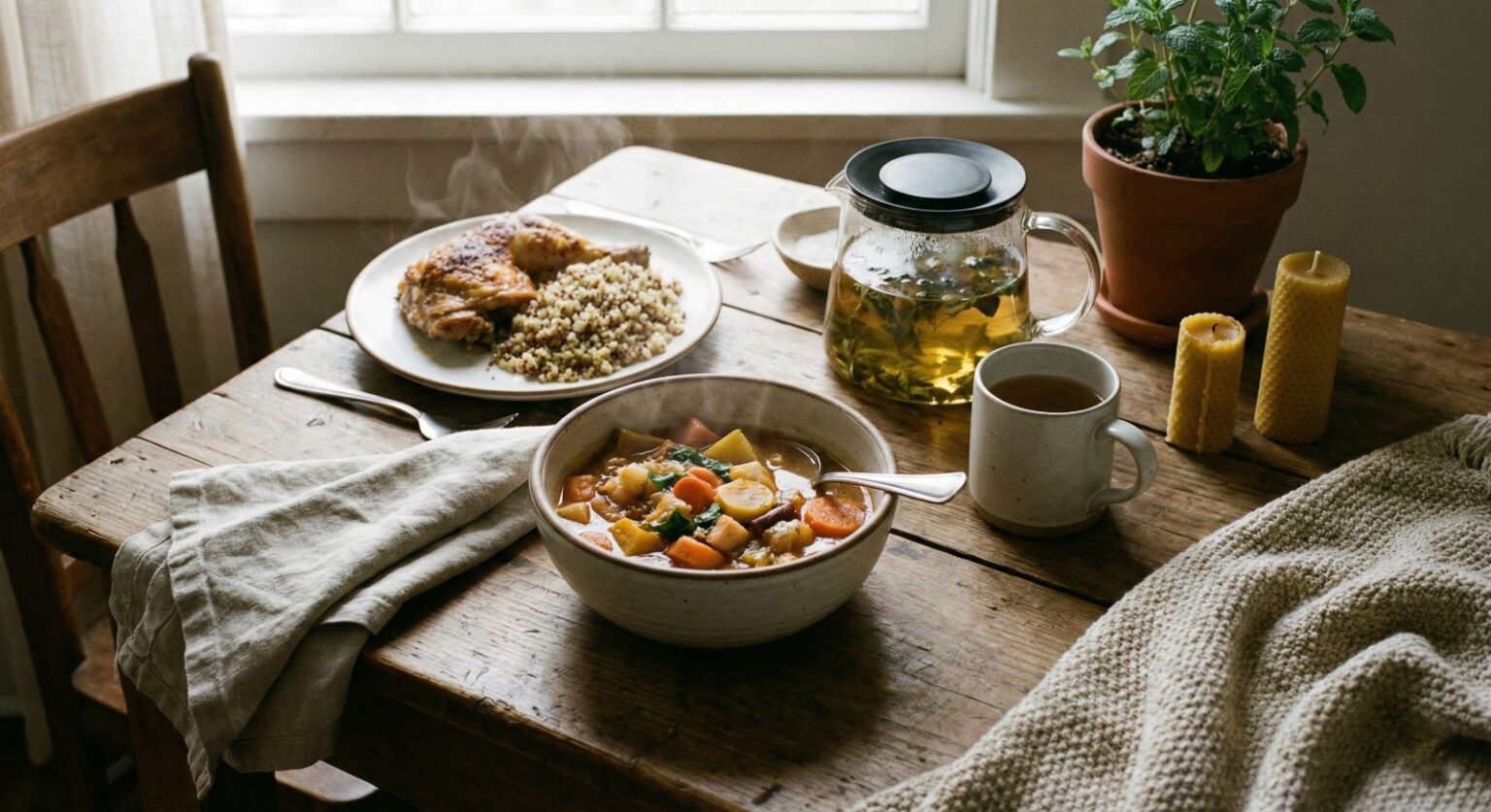
gut friendly healthy meal

As responsibilities increase, stress becomes chronic.

Chronic stress:
→ Suppresses digestive enzymes
→ Reduces stomach acid balance
→ Disrupts gut-brain connection

This leads to:
→ Gas
→ Indigestion
→ Food sensitivity

Stress does not stay in the mind.
It settles in the gut.

Slower Metabolism Slows Digestion Too

With age:
→ Muscle mass slowly reduces
→ Metabolism becomes less efficient

Digestion depends on metabolic energy.

This is why:
→ Same food feels heavier
→ Recovery after meals takes longer

The body is not weak.
It is conserving energy.

Gut Bacteria Balance Changes Over Time

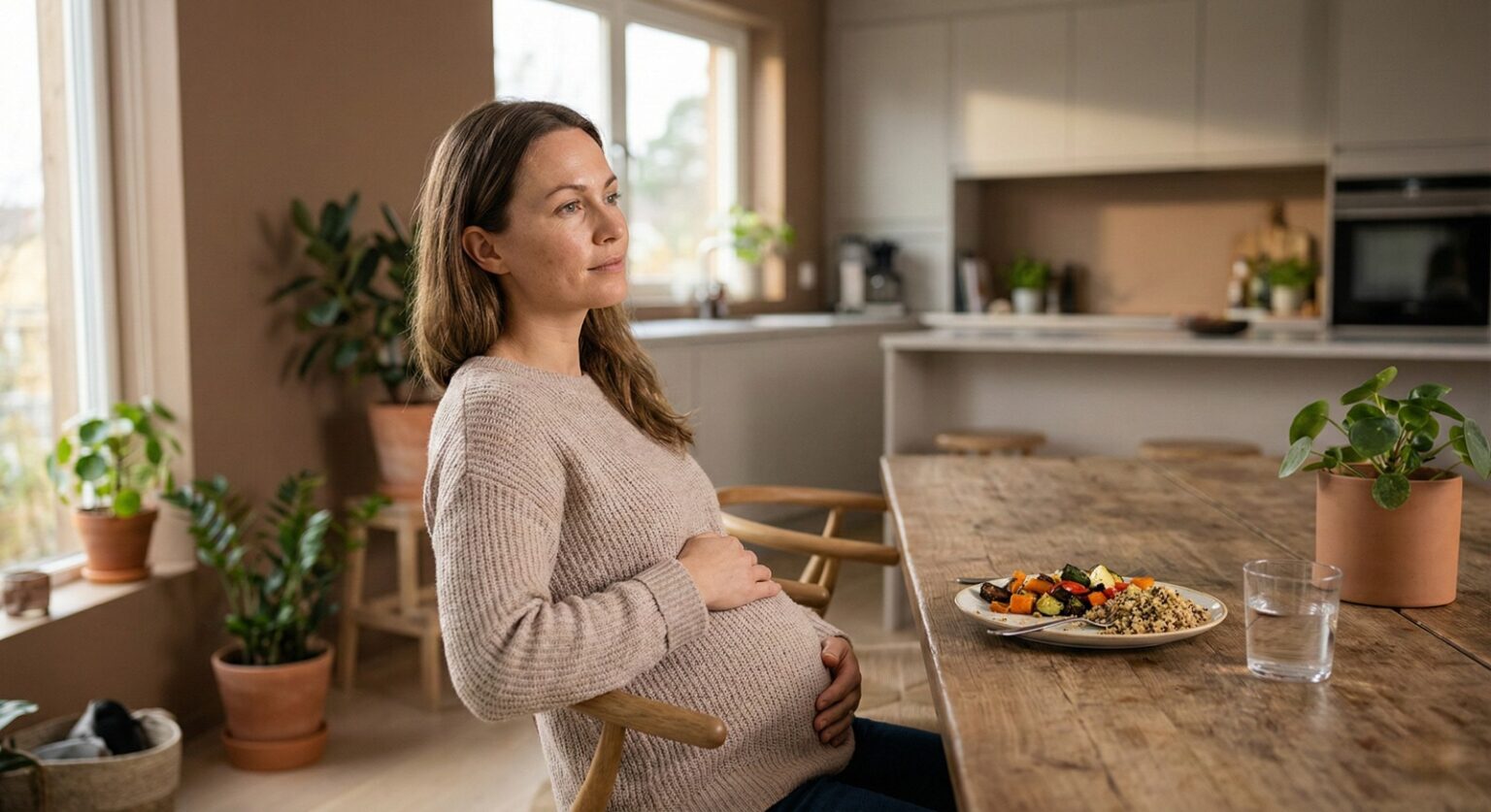
Balanced healthy meal served on plate

Healthy digestion depends on gut bacteria.

With age:
→ Good bacteria reduce
→ Bad bacteria may dominate

This causes:
→ Bloating
→ Inflammation
→ Irregular bowel movement

Gut health is not fixed.
It responds quickly to habits.

Eating Habits Become Less Digestive-Friendly

Many women unknowingly develop habits that hurt digestion:
→ Skipping meals
→ Eating late at night
→ Eating while stressed
→ Eating too fast

Digestion needs rhythm.
Irregular habits confuse it.

Reduced Physical Movement Affects Gut Movement

woman walking for digestion

Gut movement depends on body movement.

With age:
→ Sitting time increases
→ Activity reduces

This slows:
→ Bowel movement
→ Waste elimination

Even gentle daily movement
improves digestion significantly.

Hydration Needs Increase With Age

Dehydration affects digestion faster as you age.

Low hydration causes:
→ Hard stools
Sluggish digestion
→ Acid imbalance

Digestion needs water —
but in balance, not excess.

How Women Can Support Digestion Naturally (Daily Basics)

You don’t need drastic diets.

What helps most:
→ Warm, cooked meals
→ Regular meal timing
→ Calm eating environment
→ Adequate hydration
→ Gentle daily movement

Digestion improves with consistency, not control.

Conclusion :

Digestion Is Communication, Not Failure

Digestive changes are not problems.
They are signals.

Your body is saying:
“Support me differently now.”

At LookAmaze, we believe:
Women don’t need restrictive plans.
They need digestive awareness.

When digestion feels lighter,
energy, mood, and confidence return naturally.

related article :

Why Women’s Digestion Changes With Age (And What You Can Do About It)

Many women think digestive problems are just “part of aging.” But digestion does not suddenly become weak. It changes slowly, responding to hormones, stress, routine, and lifestyle. What worked at...
How Stress Quietly Damages Women’s Health (And How to Reverse It)

Most women don’t realize stress is the root cause because damage happens slowly and silently. You don’t feel “stressed enough” — yet your body starts changing...

Period Problems Are Not “Normal” — What Your Body Is Trying to Say

Many women are taught one thing growing up: “Periods are supposed to be painful.” So they silently accept: → Severe cramps → Heavy bleeding → Mood swings...
How Stress Quietly Damages Women’s Health (And How to Reverse It)

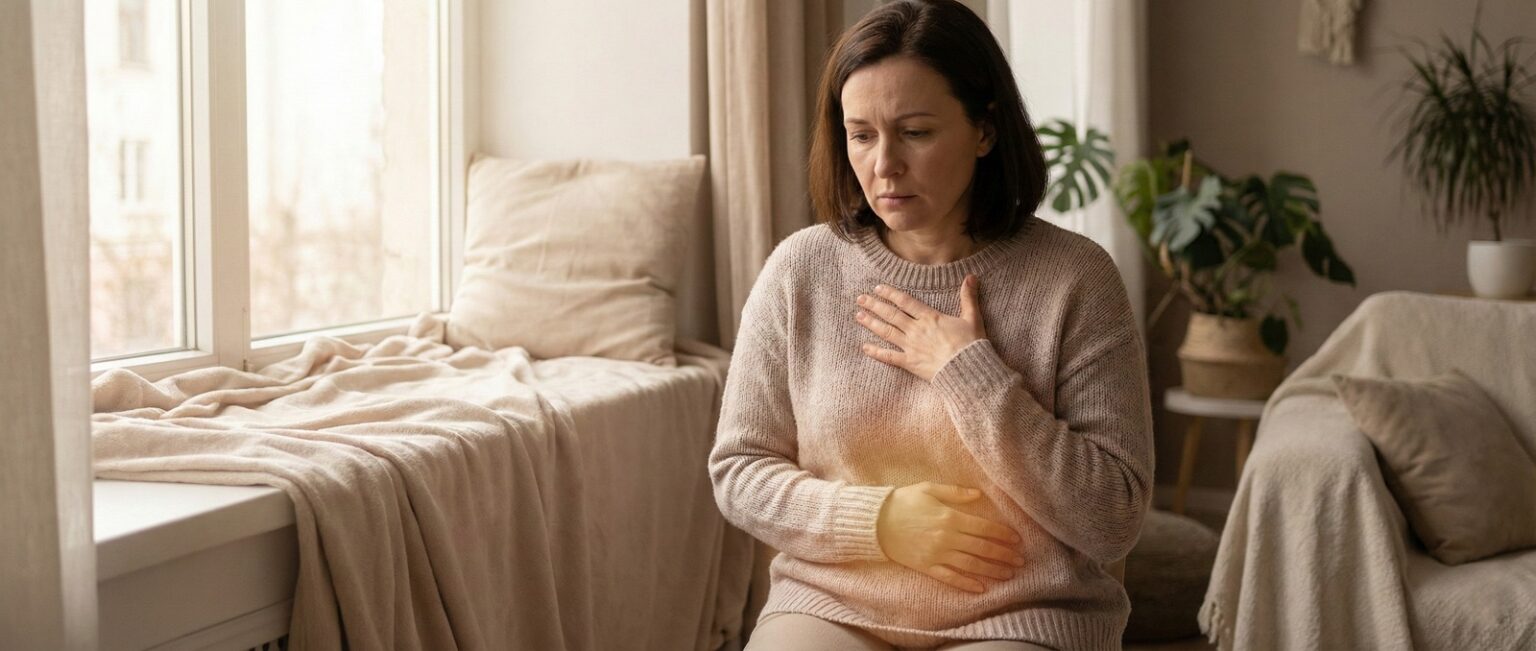
stressed woman feeling discomfort

Stress Doesn’t Shout — It Slowly Breaks Balance

Stress is often treated like a mental issue.
But for women, stress is deeply physical.

It quietly affects:
→ Hormones
→ Period cycles
→ Digestion
→ Weight
→ Skin
→ Energy
→ Immunity

Most women don’t realize stress is the root cause
because damage happens slowly and silently.

You don’t feel “stressed enough” —
yet your body starts changing.

At LookAmaze, we don’t treat stress as motivation or weakness.
We treat it as a biological signal the body is sending.

Stress Disrupts Hormones Before You Feel It Mentally

Stress releases cortisol.

In women, excess cortisol:
→ Blocks progesterone
→ Disturbs estrogen balance
→ Disrupts ovulation
→ Affects thyroid function

This is why stress often shows up as:
→ Irregular periods
→ PMS
→ Fertility issues
→ Mood swings

Hormonal imbalance is often stress-driven, not random.

Stress Directly Weakens the Digestive System

stress affecting female body

Under stress, the body shifts into survival mode.

That means:
Digestion slows
→ Enzyme release reduces
→ Nutrient absorption drops

You may notice:
→ Bloating
→ Gas
→ Constipation
→ Acidity

Even healthy food stops working properly.

Stress Makes Weight Gain Easier — Especially Belly Fat

stress related eating struggle

Stress weight is not about calories.

High cortisol:
Promotes fat storage
→ Slows metabolism
→ Targets abdominal area

Many women eat less
yet still gain weight during stressful phases.

The body stores fat as protection.

Stress Disrupts Periods Without Warning

woman noticing hormone imbalance

Periods respond quickly to stress.

Common signs:
→ Delayed cycles
→ Skipped periods
→ Increased cramps
→ Heavier or lighter flow

The body delays reproduction when survival feels uncertain.

Periods don’t fail —
they adapt.

Stress Damages Skin, Hair, and Nails from Inside

stress impact on skin

When stress is constant:
→ Blood flow shifts away from skin
Nutrient delivery reduces
→ Inflammation increases

Results:
→ Acne
→ Hair fall
→ Dull skin
→ Brittle nails

Topical solutions won’t fix internal stress damage.

Stress Lowers Immunity in Women Faster Than Men

Women’s immune system is closely linked with hormones.

Stress causes:
→ Frequent colds
→ Slow recovery
→ Increased inflammation

The body becomes reactive instead of protective.

Emotional Exhaustion Is a Physical State

Stress is not just “in the head”.

Long-term stress leads to:
→ Nervous system fatigue
→ Sleep disturbance
→ Anxiety without reason

This is why rest alone doesn’t fix it.
The system needs recalibration.

How to Reverse Stress Damage Naturally (For Women)

Not force. Not pressure.
Support.

Daily foundations:
→ Regular sleep timing
Warm, nourishing meals
→ Gentle movement
→ Deep breathing
→ Reduced multitasking

Stress heals when the body feels safe again.

Conclusion :

Stress Is Not Your Fault — But Healing Is Your Power

Stress does not mean weakness.
It means the body has been carrying too much for too long.

When stress is supported:
→ Hormones stabilize
→ Digestion improves
→ Periods calm
→ Energy returns

At LookAmaze, we believe
women don’t need to “handle stress better”.
They need systems that support them better.

related article :

Why Women’s Digestion Changes With Age (And What You Can Do About It)

Many women think digestive problems are just “part of aging.” But digestion does not suddenly become weak. It changes slowly, responding to hormones, stress, routine, and lifestyle. What worked at...

How Stress Quietly Damages Women’s Health (And How to Reverse It)

Most women don’t realize stress is the root cause because damage happens slowly and silently. You don’t feel “stressed enough” — yet your body starts changing...

Period Problems Are Not “Normal” — What Your Body Is Trying to Say

Many women are taught one thing growing up: “Periods are supposed to be painful.” So they silently accept: → Severe cramps → Heavy bleeding → Mood swings...
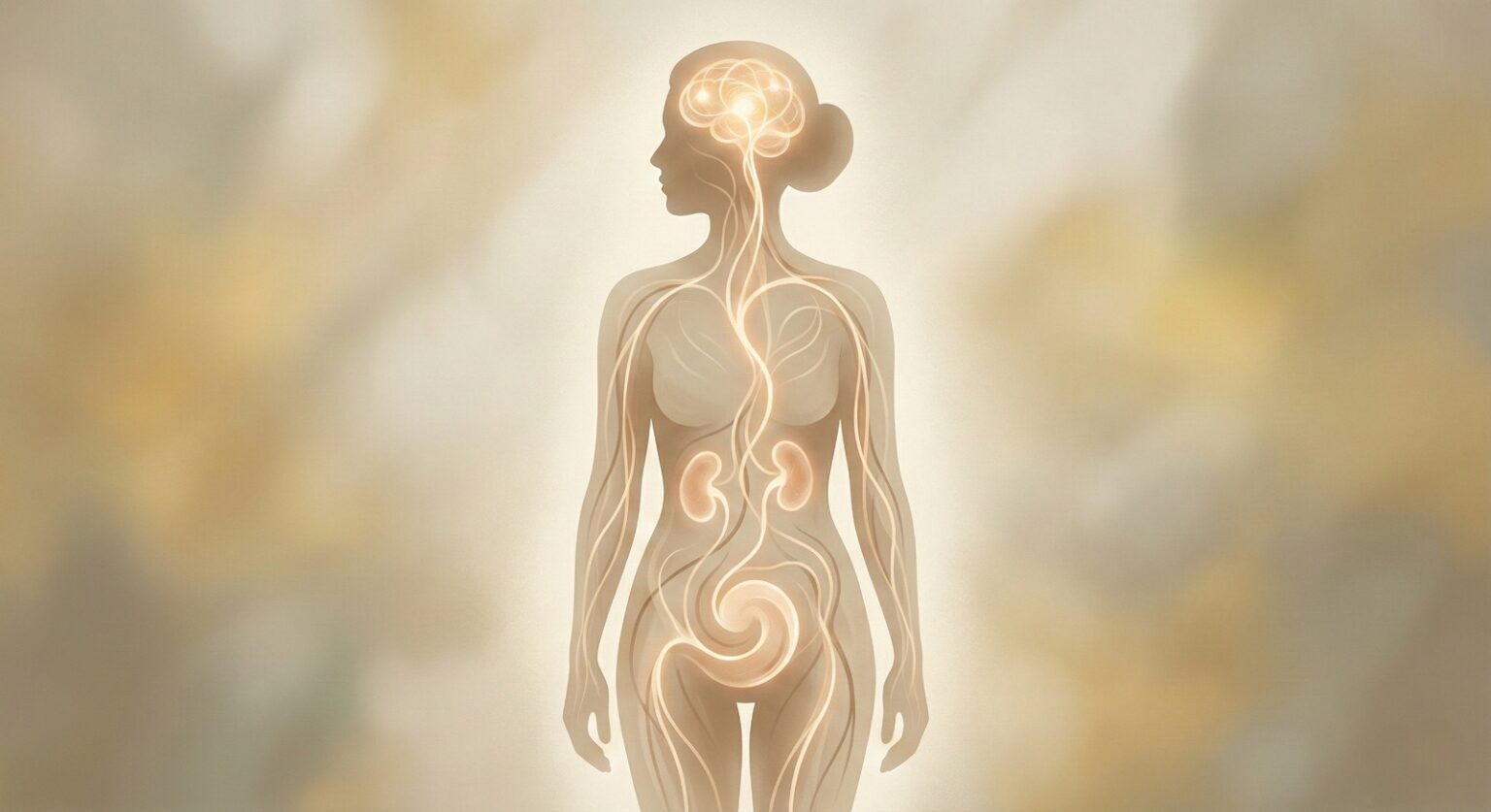
Period Problems Are Not “Normal” — What Your Body Is Trying to Say

Period Pain Is Not a Routine, It’s a Message

Many women are taught one thing growing up:
“Periods are supposed to be painful.”

So they silently accept:
→ Severe cramps
→ Heavy bleeding
→ Mood swings
→ Extreme fatigue
→ Digestive discomfort

But here is the truth most people never explain clearly:

Periods are not meant to make life difficult.
They are meant to reflect what is happening inside your body.

When period problems repeat every month,
your body is not being weak —
it is asking for support.

At LookAmaze, we focus on understanding what the body is trying to say,
instead of normalizing discomfort.


1. Severe Cramps Are a Sign of Internal Imbalance

Mild discomfort can happen.
But pain that:
→ Stops daily work
→ Needs painkillers every cycle
→ Radiates to the back or legs

is not normal.

Common hidden reasons:
Hormonal imbalance
→ Inflammation in the pelvic area
→ Poor blood circulation
→ High stress levels
→ Nutrient deficiencies

The uterus contracts harder when the body is under stress.

2. Heavy Bleeding Is the Body Losing Balance, Not Strength

If your flow is:
→ Very heavy
→ Longer than 6–7 days
→ With large clots
→ Followed by weakness or dizziness

Your body may be dealing with:
→ Estrogen dominance
→ Poor liver detox support
→ Low iron levels
Digestive absorption issues

Heavy bleeding drains energy faster than it is rebuilt.

3. Irregular Periods Mean Your Body Has Lost Rhythm

Late periods, skipped cycles, or unpredictable timing
often come from:
→ Chronic stress
→ Poor sleep routine
→ Blood sugar imbalance
Gut health disturbance

The menstrual cycle follows internal rhythm.
When daily life becomes chaotic, cycles reflect it.

4. Extreme Mood Swings Are Not “Overreaction”

Feeling emotional is human.
Feeling emotionally unstable every month is a signal.

Severe PMS may show:
→ Hormonal fluctuations
→ Nervous system overload
→ Nutrient depletion

Your emotions are not the problem.
Your body is overwhelmed.

5. Acne and Skin Issues Before Periods Signal Hormonal Stress

Repeated breakouts before periods often indicate:
→ Poor hormone clearance
→ Liver overload
→ Inflammatory eating habits

Skin problems are internal messages, not cosmetic issues.

6. Extreme Fatigue During Periods Is a Red Flag

Periods should not make you feel:
→ Completely drained
→ Dizzy
→ Unable to function

This usually points to:
→ Iron deficiency
→ Poor nutrient absorption
→ Chronic stress

Fatigue means the body is giving out more than it receives.


7. Period Pain Often Starts Outside the Womb

Period health is influenced by:
→ Gut health
→ Stress hormones
→ Sleep quality
→ Daily habits

That’s why fixing periods often means fixing lifestyle.

8. How to Start Supporting Period Health Naturally

Simple but powerful shifts:
→ Eat warm, nourishing meals
→ Maintain regular sleep
→ Reduce ultra-processed foods
→ Gentle movement during cycles
→ Respect rest

Healing starts with listening, not suppressing.


Conclusion :

Periods Are Messengers, Not Enemies

Your cycle is not trying to punish you.
It is trying to guide you.

When you stop ignoring signals
and start supporting the body,
periods become lighter, calmer, and predictable.

At LookAmaze, we believe
women don’t need to tolerate pain —
they need understanding.

related article :

Why Women’s Digestion Changes With Age (And What You Can Do About It)

Many women think digestive problems are just “part of aging.” But digestion does not suddenly become weak. It changes slowly, responding to hormones, stress, routine, and lifestyle. What worked at...

How Stress Quietly Damages Women’s Health (And How to Reverse It)

Most women don’t realize stress is the root cause because damage happens slowly and silently. You don’t feel “stressed enough” — yet your body starts changing...

Period Problems Are Not “Normal” — What Your Body Is Trying to Say

Many women are taught one thing growing up: “Periods are supposed to be painful.” So they silently accept: → Severe cramps → Heavy bleeding → Mood swings...