

𝐋𝐨𝐨𝐤𝐀𝐦𝐚𝐳𝐞

Best Foods to Boost Immunity Without Supplements

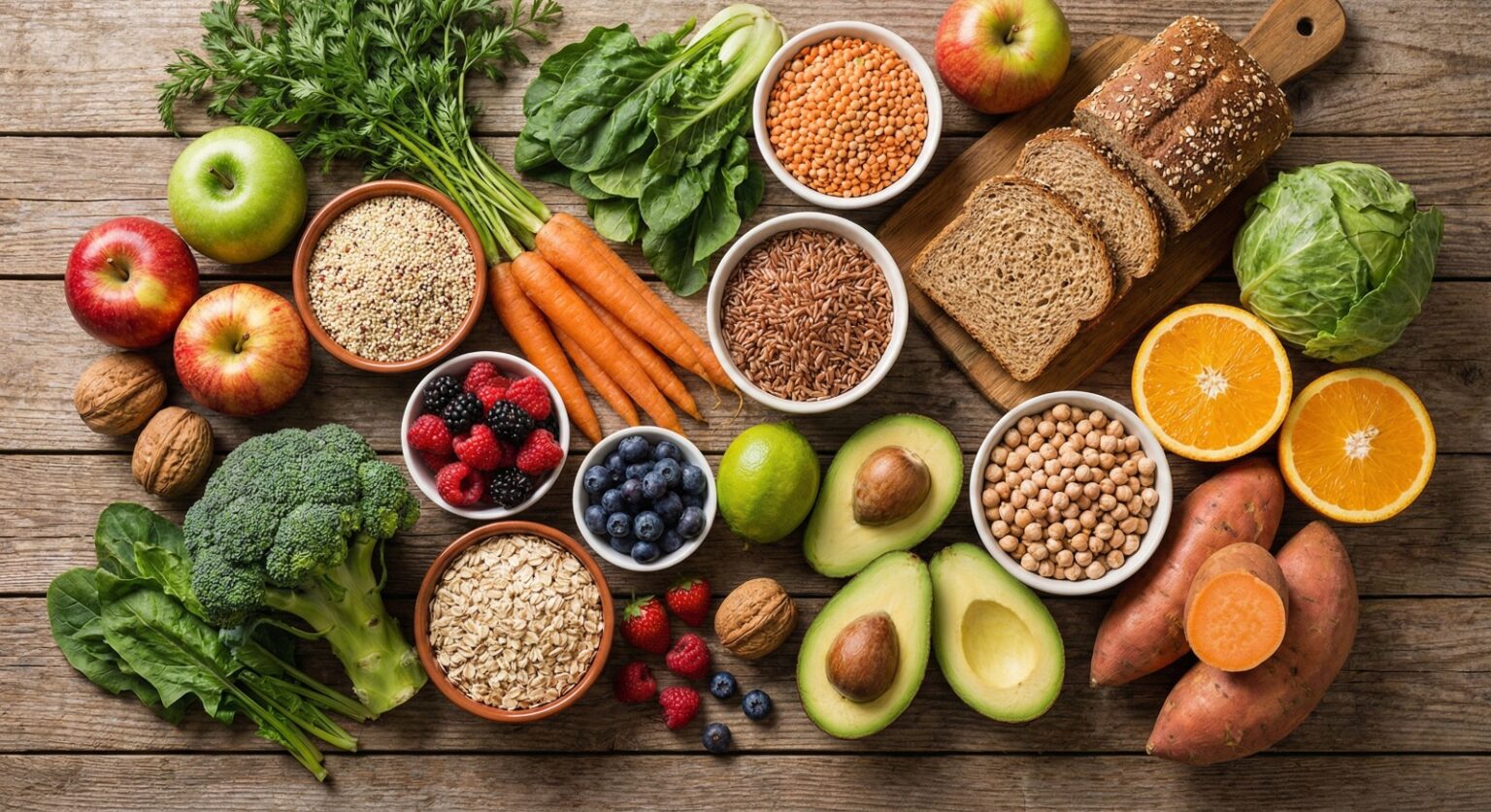
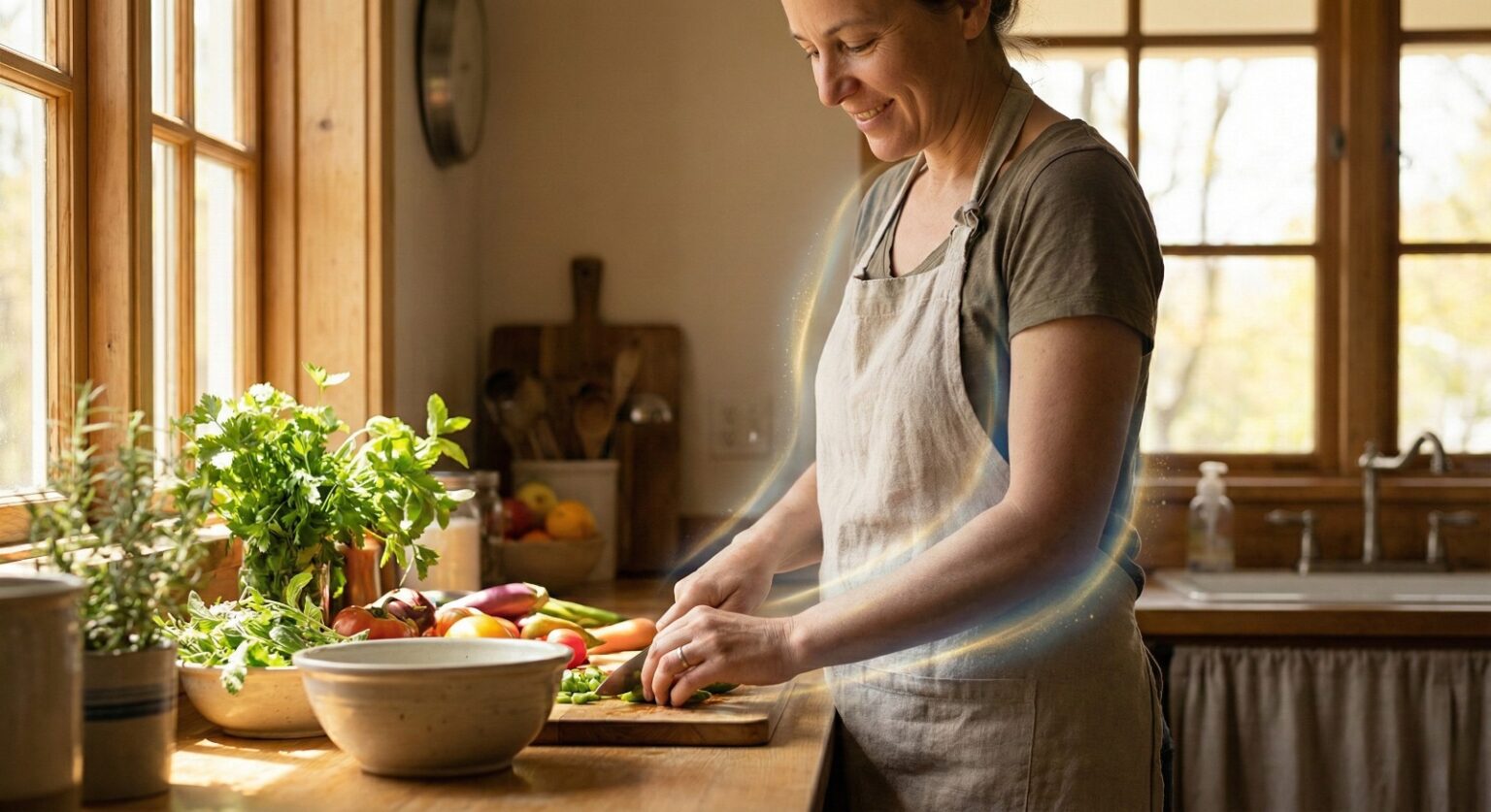
woman preparing fresh whole foods

Immunity Is Built in the Kitchen, Not the Bottle

When people think about strong immunity,
they usually think about capsules, powders, and quick fixes.

But the truth is simple:

Your immune system was never designed to depend on supplements.
It was designed to work with real food, eaten regularly, digested properly.

For generations, people stayed healthy without pills
because their daily meals supported the body’s defense system naturally.

At LookAmaze, we focus on immunity that is:

Built slowly

Supported daily

Maintained through food, not forced by shortcuts

1. Vitamin-C Rich Fruits (Natural, Not Excessive)

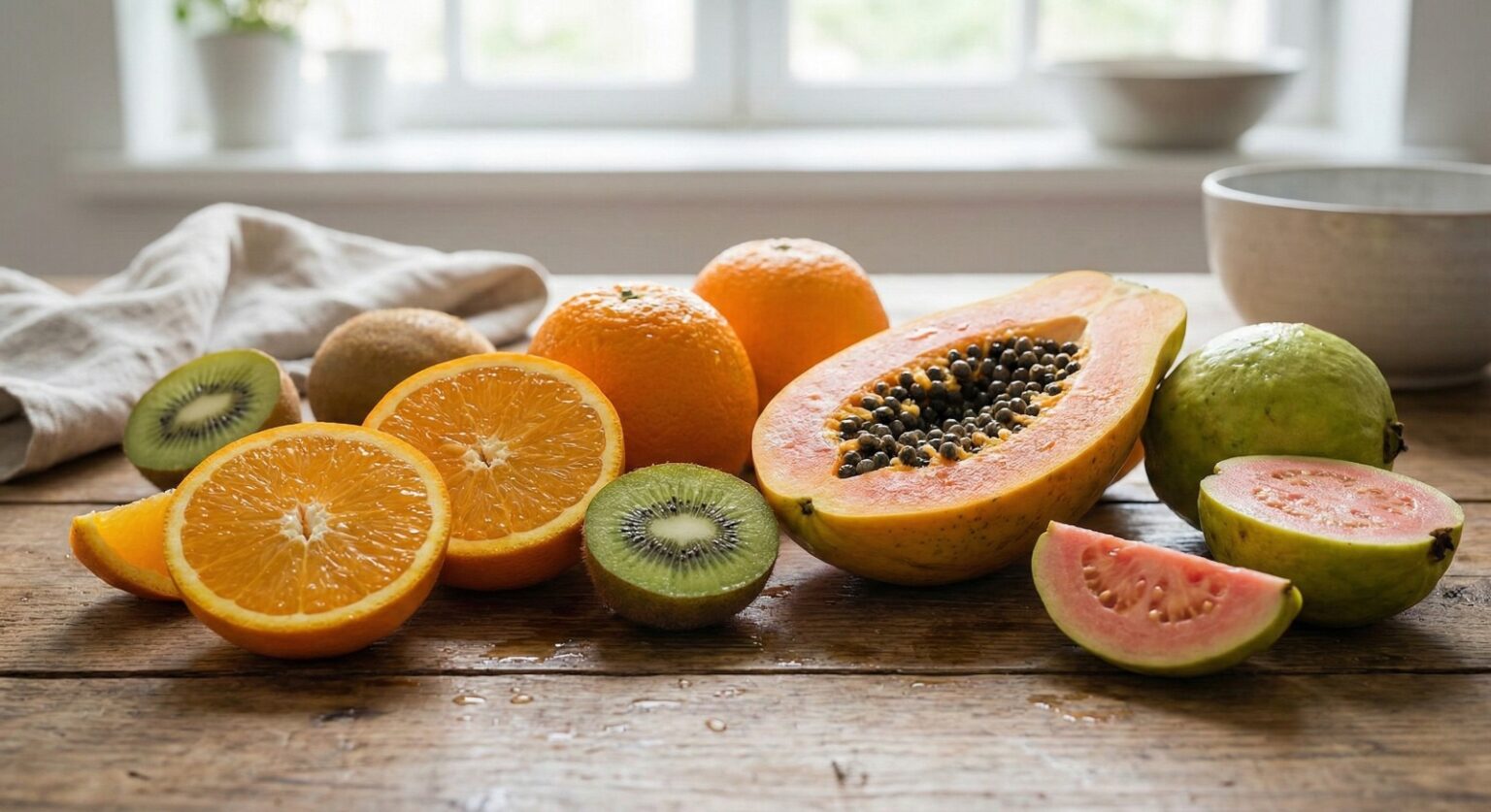
vitamin C rich citrus fruits

Vitamin C supports immune cells and recovery,
but immunity doesn’t improve by flooding the body with it.

Best natural sources:

Oranges

Guava

Kiwi

Papaya

Amla (small quantity)

Why food works better than supplements:

Slower absorption

Better gut tolerance

No sudden spikes or crashes

One or two fruits daily is enough.
More is not better — balance is.

2. Garlic: Small Food, Powerful Immune Support

Garlic supports immunity quietly, not aggressively.

It helps by:

Activating immune response

Supporting gut bacteria

Reducing infection severity

Best way to consume:

Lightly crushed

Added to warm food

Not raw in large amounts

Garlic works best when used consistently,
not when treated like medicine.

3. Ginger: Immunity Through Balance, Not Stimulation

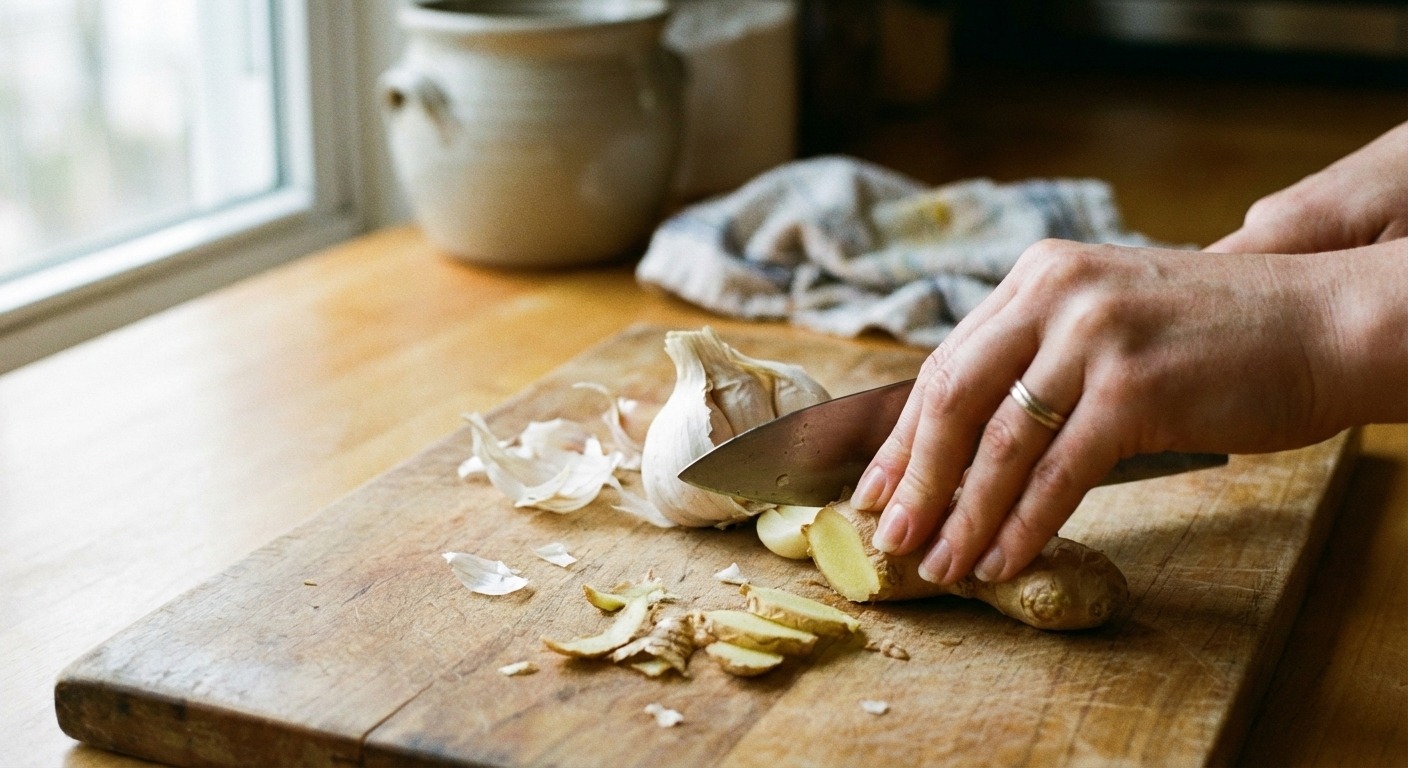
slicing fresh ginger root

Ginger does not “boost” immunity overnight.
It improves the environment where immunity works better.

It supports:

Digestion

Reduced inflammation

Faster immune recovery

Best uses:

Fresh ginger in meals

Mild ginger tea

Small daily portions

Strong digestion directly supports immunity.

4. Turmeric: Slow Protection That Lasts

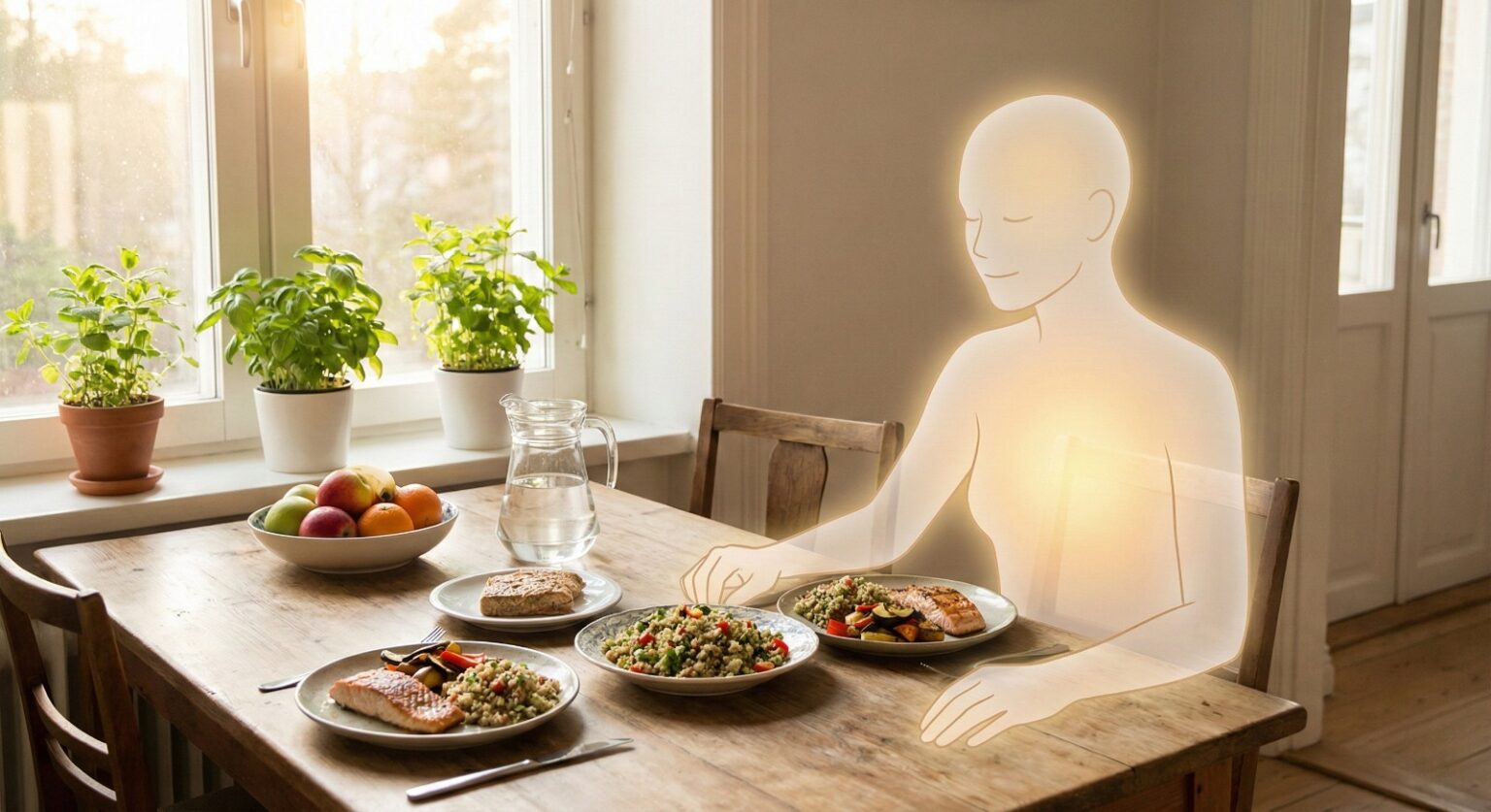
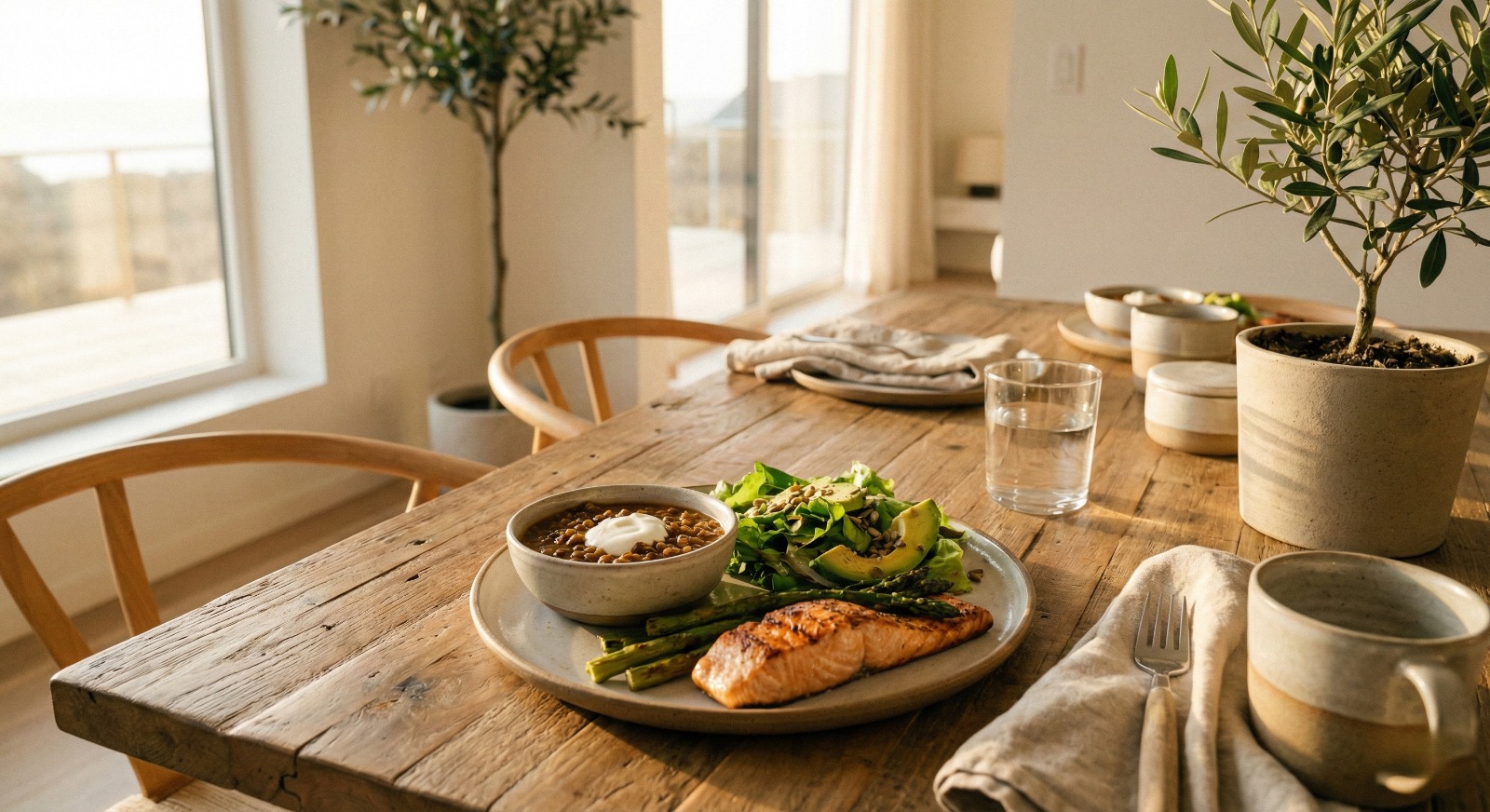
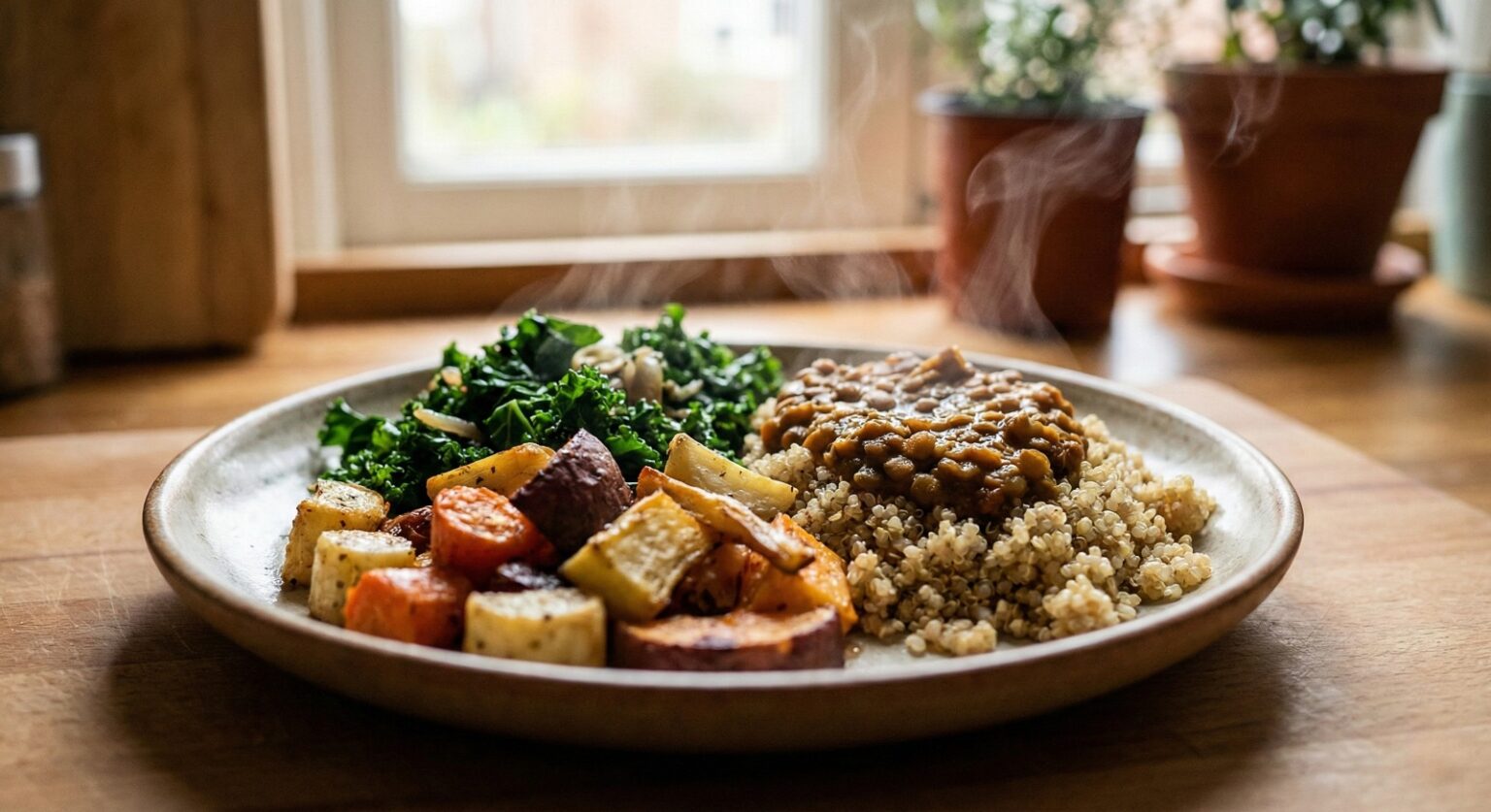
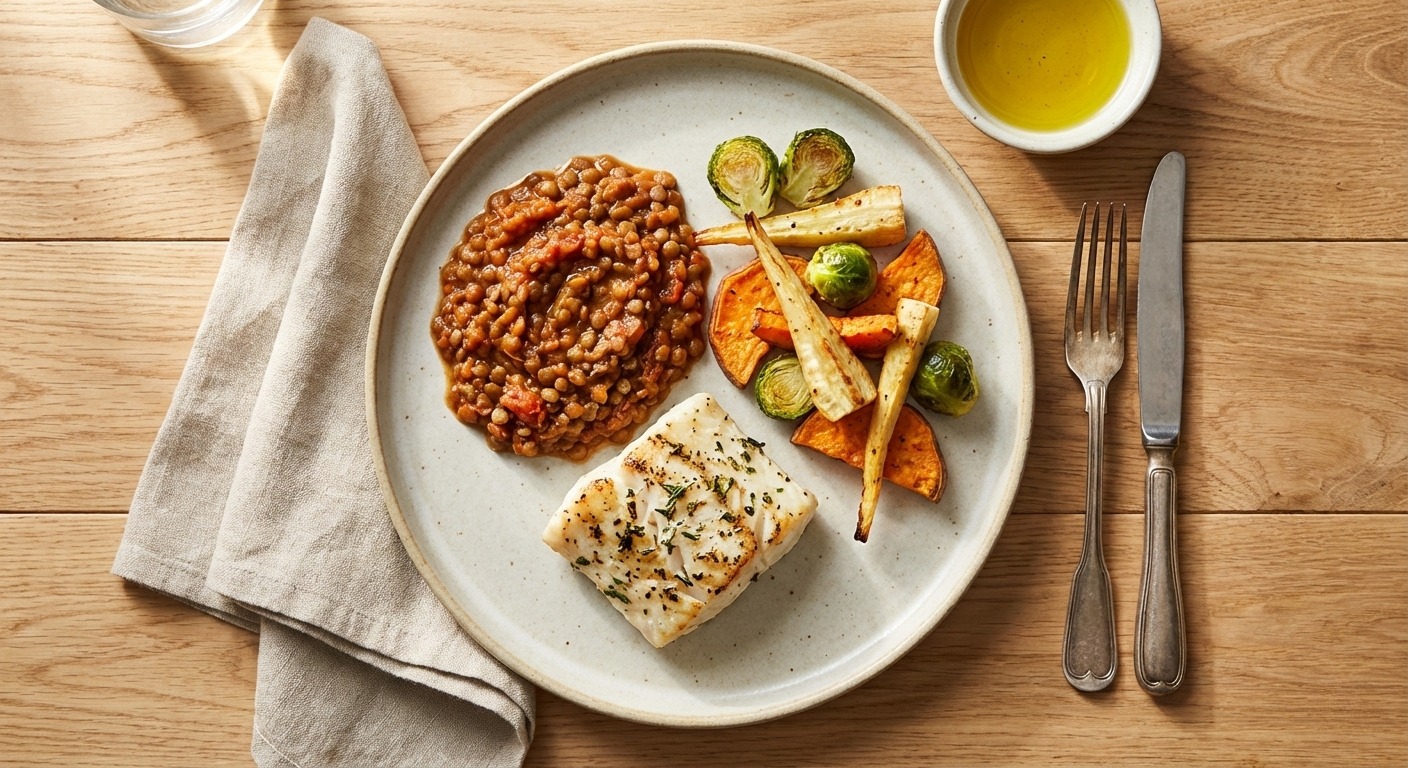
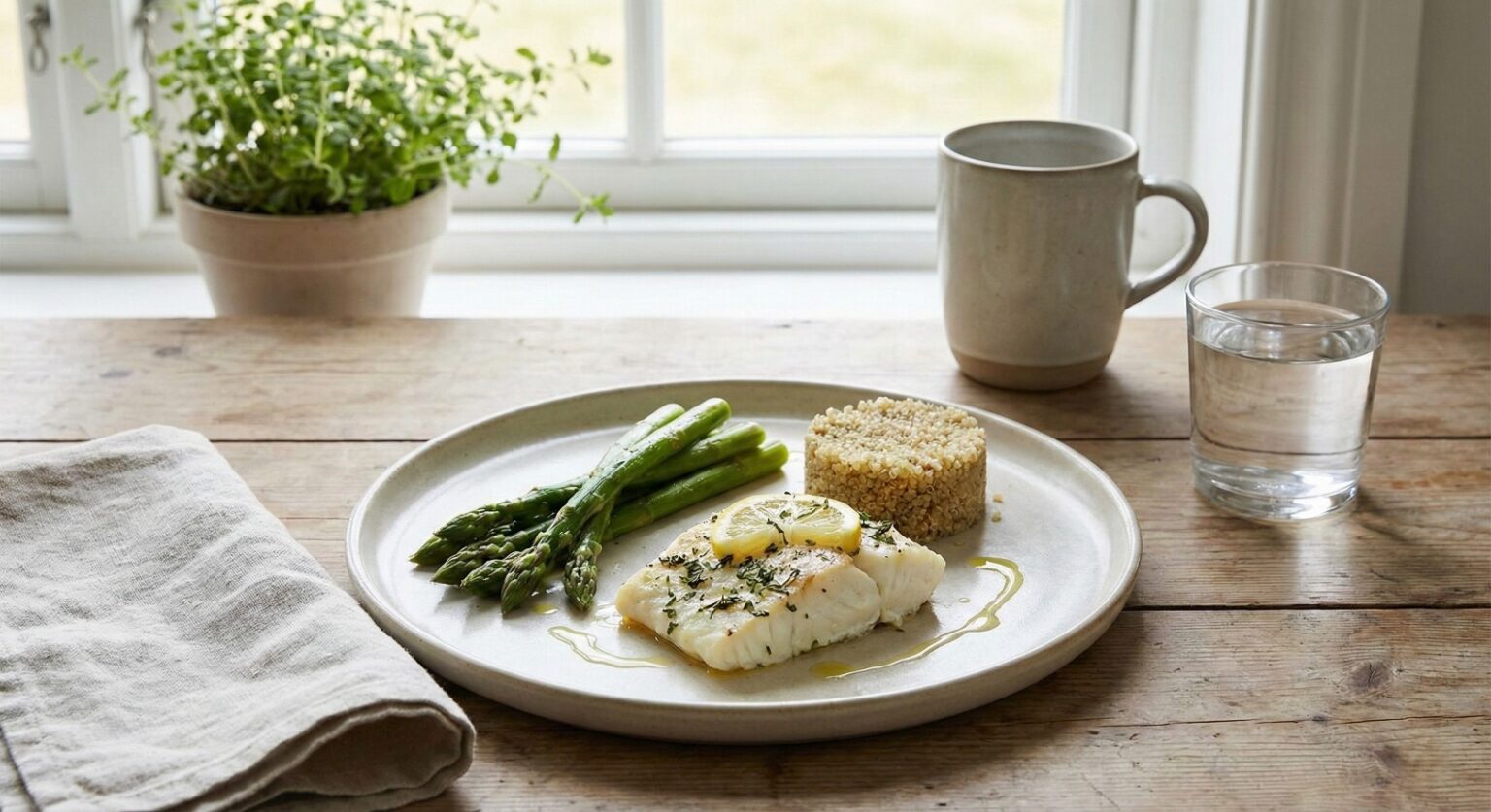
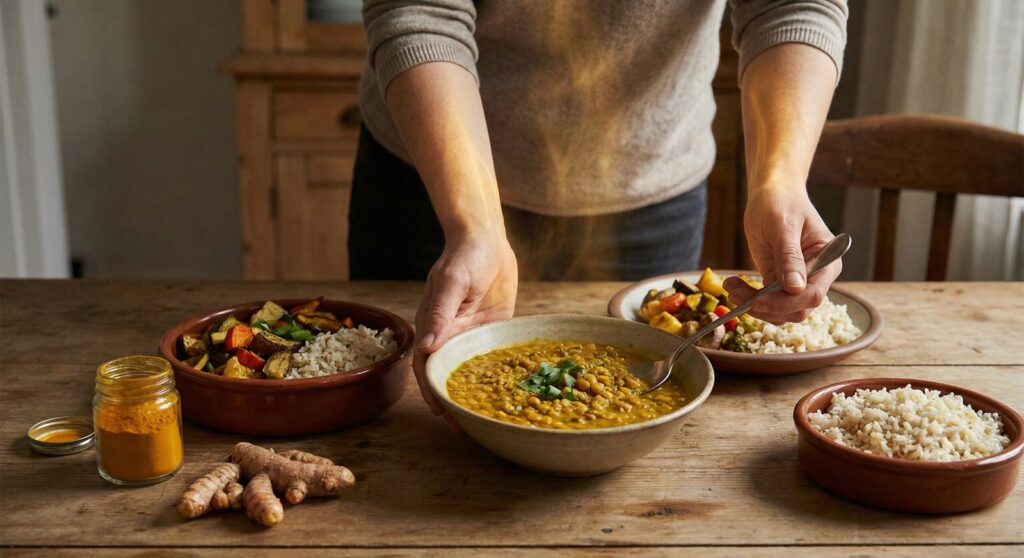
balanced whole food immunity meal

Turmeric works slowly — and that is its strength.

It helps:

Control inflammation

Support immune signaling

Protect cells over time

Best practice:

Use with food

Add a pinch of black pepper

Consume daily, not occasionally

Turmeric is not a cure.
It is long-term immune insurance.

5. Protein-Rich Foods: The Building Blocks of Immunity

Your immune cells are made from protein.

When protein intake is low:

Recovery slows

Infections last longer

Energy drops

Natural protein sources:

Lentils and beans

Eggs

Yogurt

Nuts and seeds

Skipping protein weakens immunity silently — without warning signs.

6. Fermented Foods: Your Gut’s Defense Team

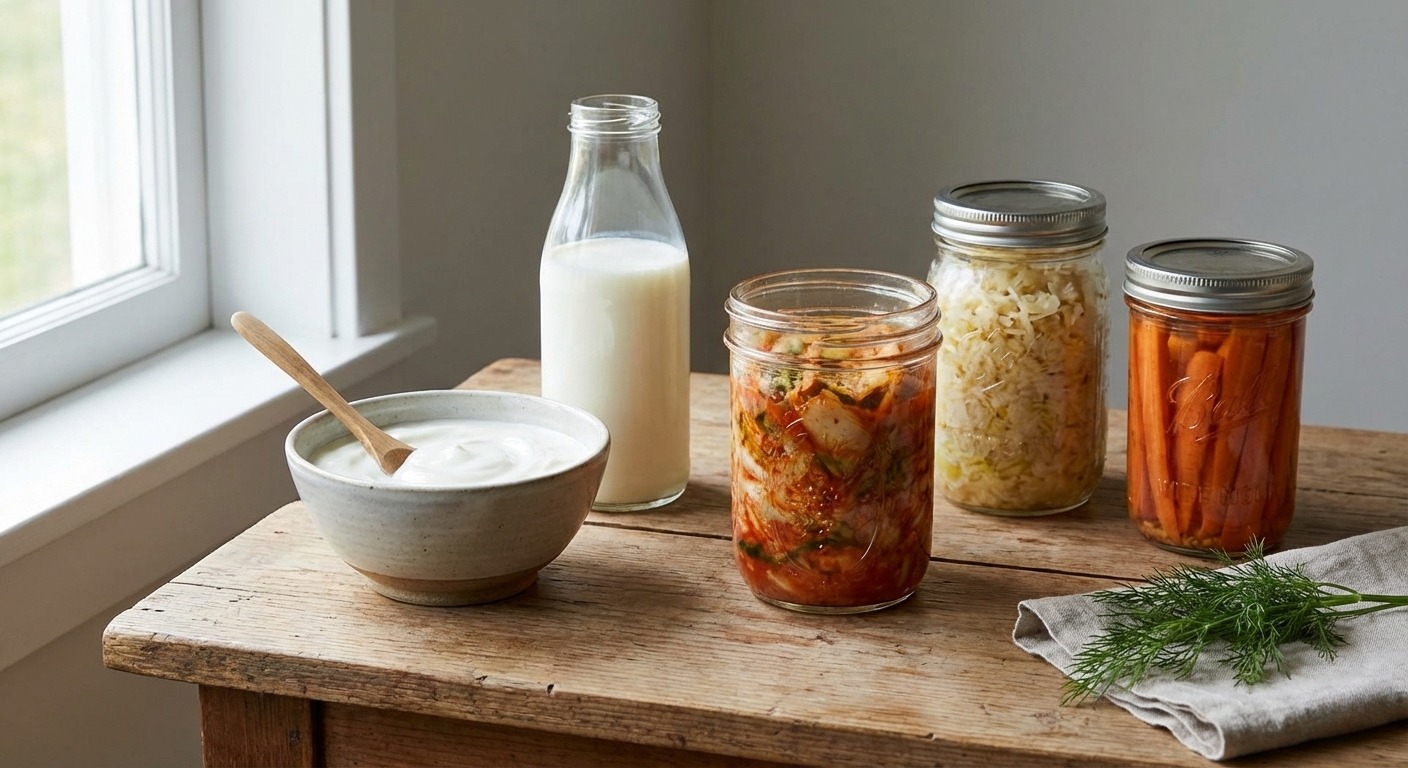
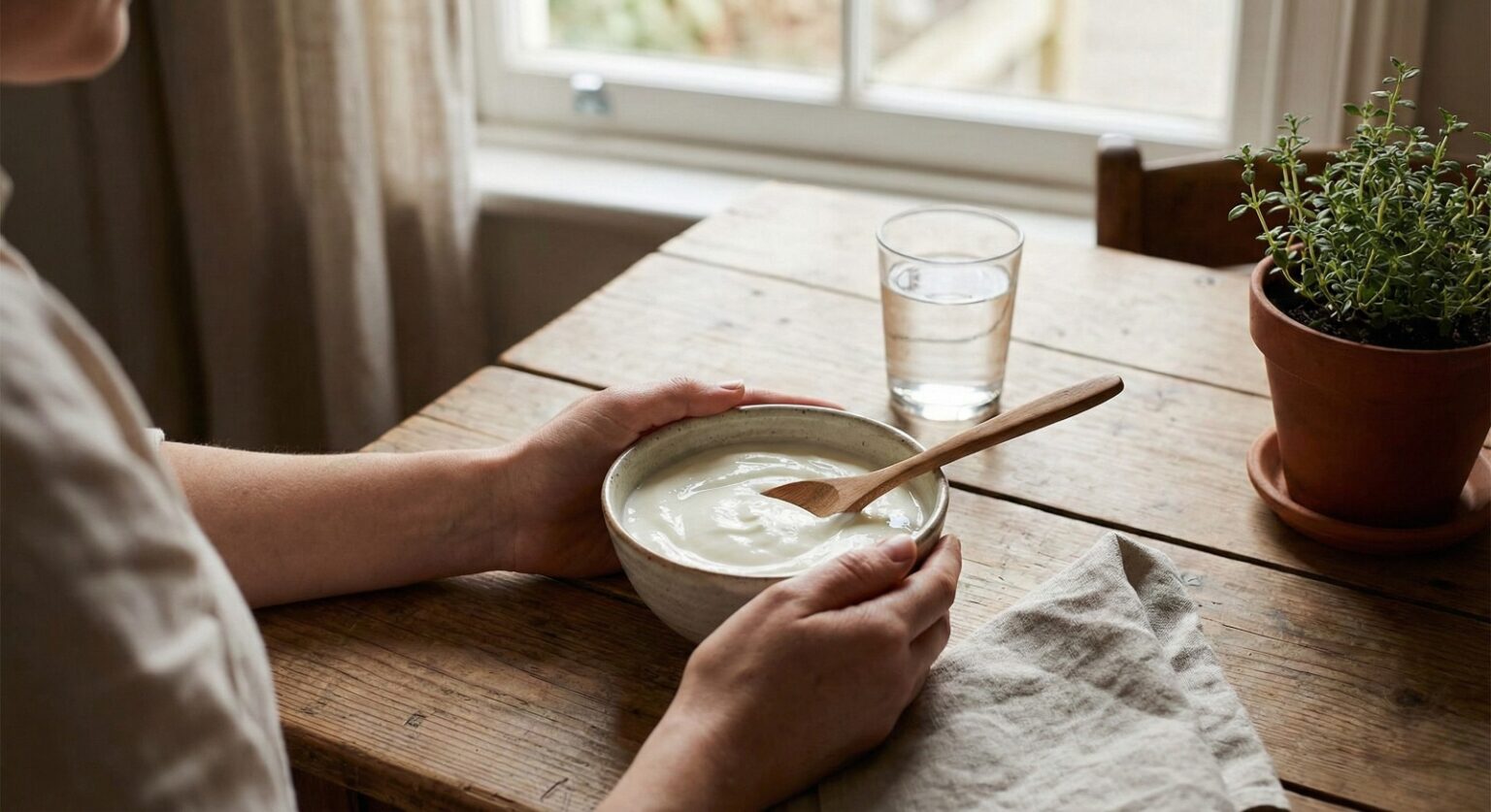
fermented yogurt bowl for gut health

Nearly 70% of your immune system lives in your gut.

Fermented foods support immunity by:

Improving gut bacteria balance

Enhancing nutrient absorption

Reducing chronic inflammation

Simple options:

Yogurt

Curd

Fermented vegetables

A healthy gut reacts faster and recovers better.

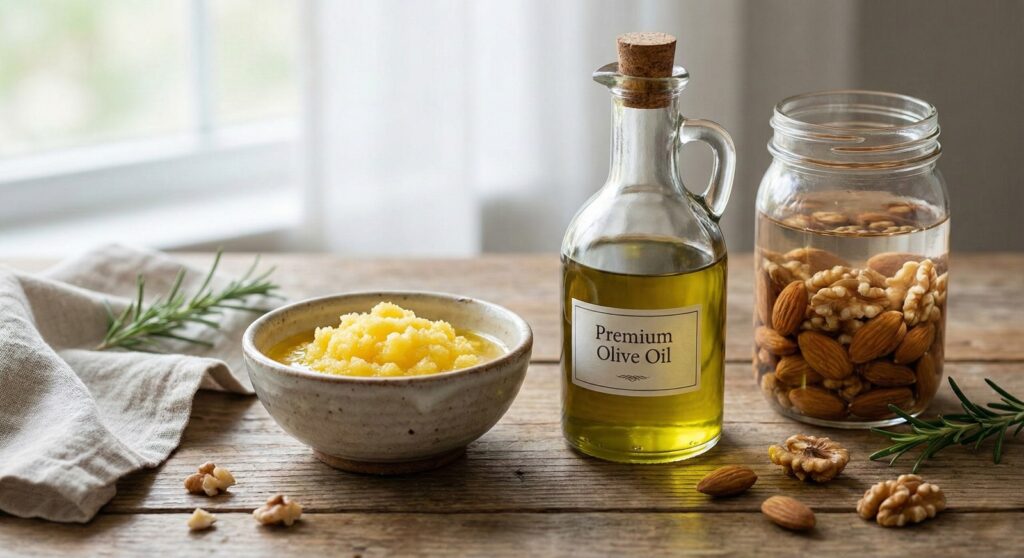
7. Healthy Fats That Support Immune Cells

Immune cells need fat to function properly.

Good fat sources:

Nuts

Seeds

Olive oil

Ghee (moderate amounts)

Extremely low-fat diets often weaken immunity
without people realizing why.

Immunity needs balance, not fear of fat.


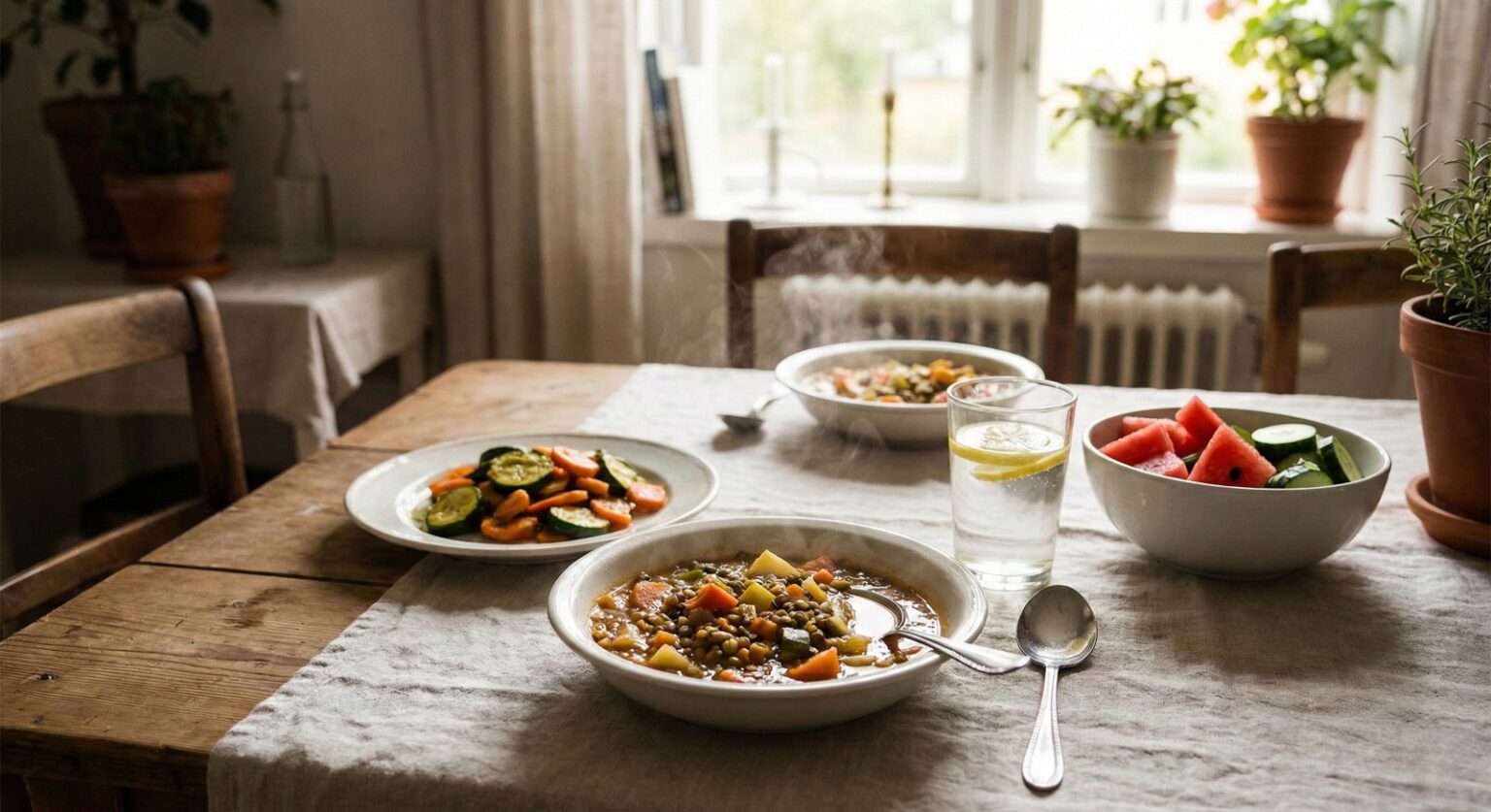
8. Hydration-Supporting Foods Matter Too

person drinking warm herbal tea

Dehydration quietly weakens immune response.

Foods that support hydration:

Water-rich fruits

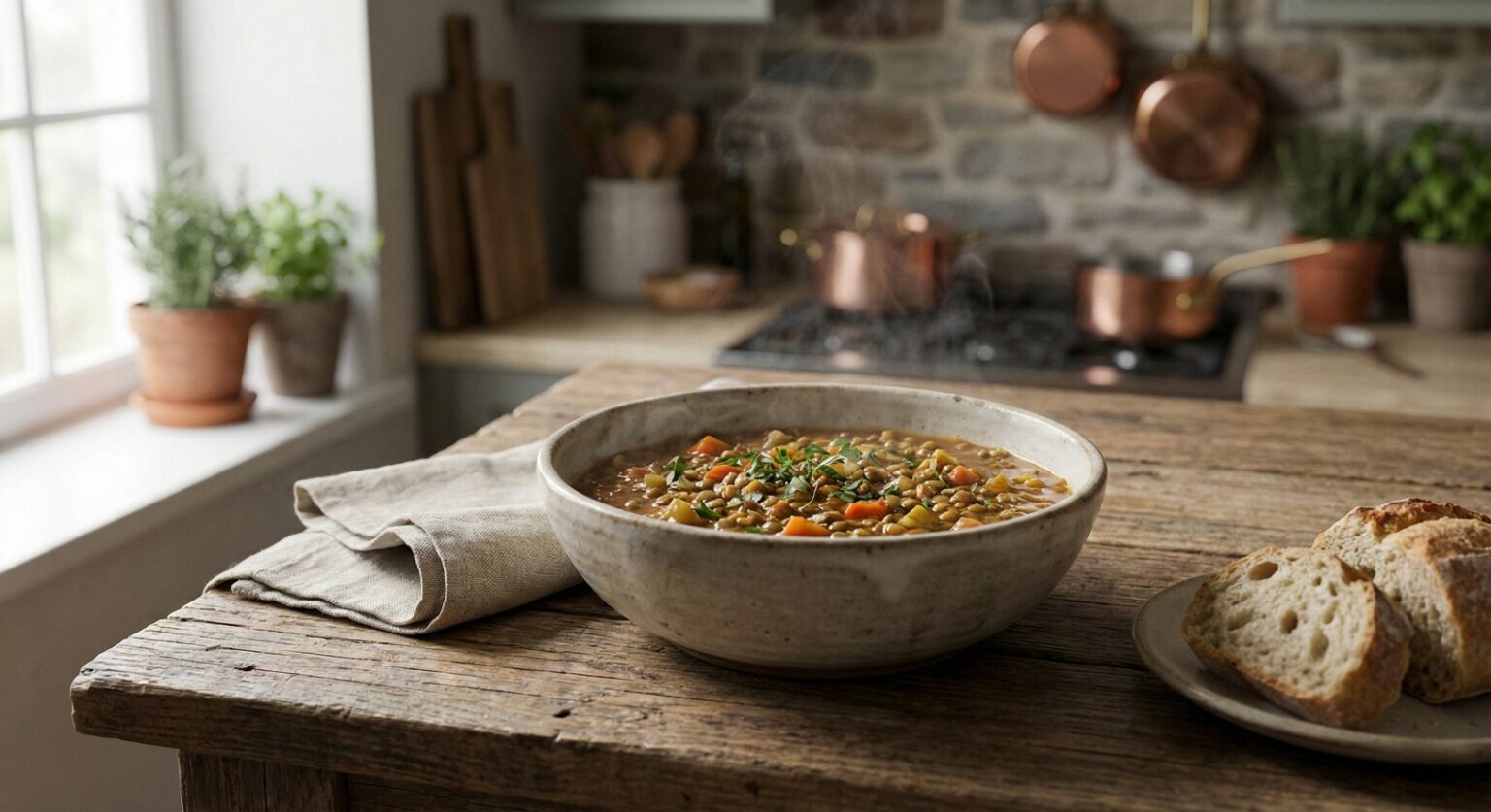
Soups

Stews

Cooked vegetables

Hydration supports:

Lymph circulation

Toxin removal

Immune cell movement

Water works best when supported by food.

Why Supplements Are Not Always Necessary

Supplements may help during deficiencies,
but they cannot replace daily food habits.

Real food provides:

Natural synergy

Better absorption

Long-term safety

Immunity is built through repetition, not shortcuts.


related article :

Why You Fall Sick Frequently — And What Your Immunity Is Telling You

Your immune system doesn’t suddenly fail. It slowly weakens due to daily habits, food patterns, stress, digestion, and recovery. At LookAmaze, we focus on understanding why the body reacts — so...
Best Foods to Boost Immunity Without Supplements

Your immune system was never designed to depend on supplements. It was designed to work with real food, eaten regularly, digested properly. For generations, people stayed healthy without...
Signs Your Immune System Is Weak (And How to Strengthen It Naturally)

Weak immunity does not appear suddenly. It builds slowly — through habits, food, stress, and recovery. At LookAmaze, we focus on understanding signals early so the body can be supported naturally —...
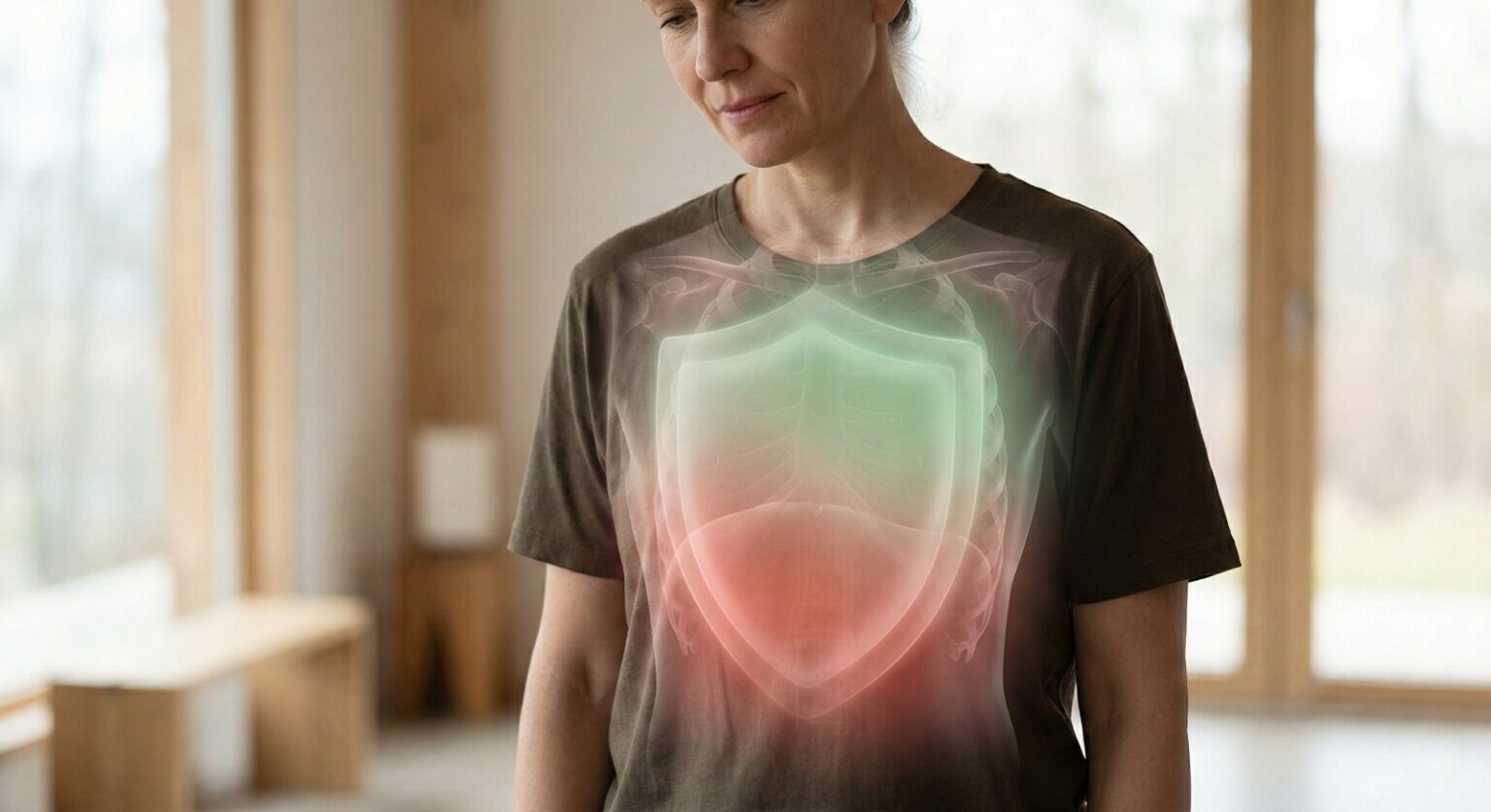
Signs Your Immune System Is Weak (And How to Strengthen It Naturally)

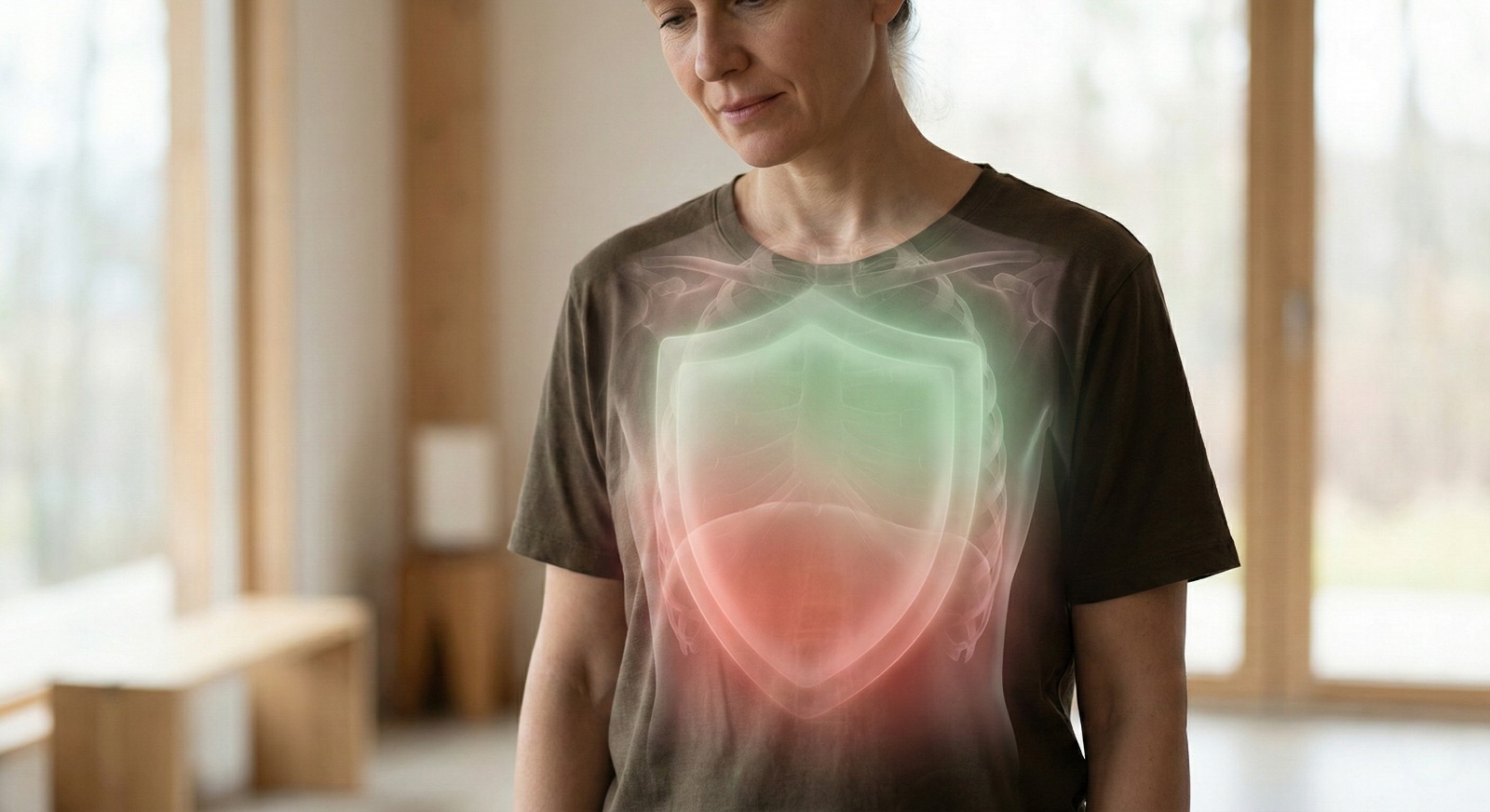
woman with glowing immune shield

Your Body Gives Signals — Most People Ignore Them

Your immune system speaks to you every day.
Not in words — but through symptoms.

Getting sick again and again is not bad luck.
It is usually a signal that your body’s defense system is struggling.

Weak immunity does not appear suddenly.
It builds slowly — through habits, food, stress, and recovery.

At LookAmaze, we focus on understanding signals early
so the body can be supported naturally — before problems grow.

1. You Catch Colds and Infections Frequently

person coughing with highlighted lungs

If you fall sick often — even with small weather changes —
your immune response may be slow or underpowered.

This means:
→ Your body takes longer to fight viruses
→ Recovery feels slower than before

Why it happens

→ Nutrient deficiencies
→ Poor sleep
→ High stress
→ Overworked body with no recovery

How to strengthen naturally

→ Prioritize 7–8 hours of sleep
→ Add whole foods rich in vitamin C and zinc
→ Reduce late-night eating

Daily routines matter more than people realize.
Strong morning habits quietly support immunity over time.

2. Wounds Heal Slowly

A healthy immune system repairs damage quickly.

If cuts, bruises, or small injuries:
→ Take longer to heal
→ Get infected easily

It may mean your immune cells are under stress.

Natural support

→ Adequate protein intake
→ Enough fluids
→ Balanced meals (not skipping meals)

Healing speed is a silent immunity marker.

3. You Feel Tired Even After Rest

Constant fatigue is not always about workload.

When immunity is weak:
→ The body uses energy to fight internal stress
→ You feel drained without a clear reason

Strengthening approach

Improve gut health (a major immunity center)
→ Eat at regular times
→ Avoid excessive sugar spikes

4. Digestive Problems Keep Coming Back

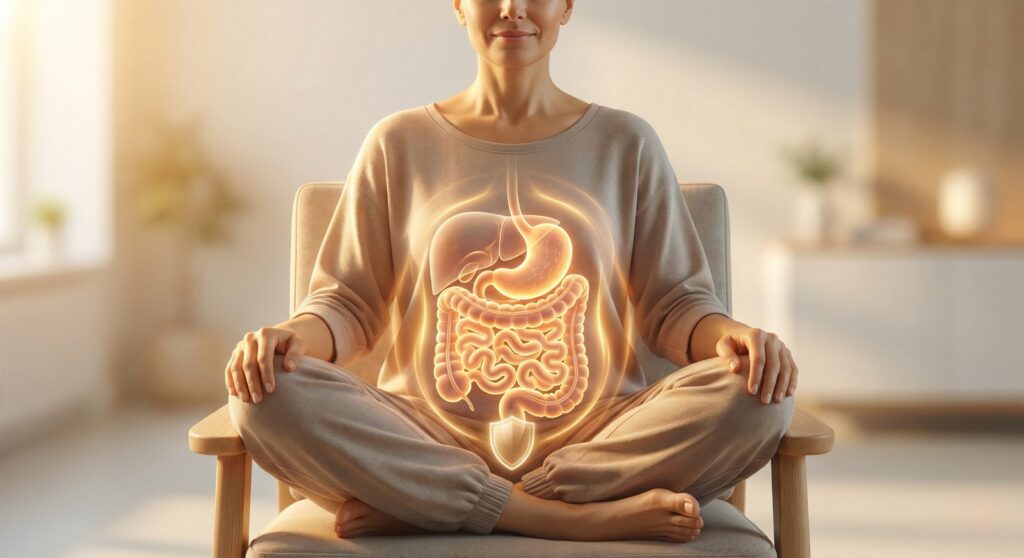
woman with glowing digestive system

Around 70% of your immune system lives in your gut.

If you frequently face:
→ Bloating
→ Gas
→ Irregular digestion

Your immune balance may be disturbed.

What helps naturally:
→ Warm, easy-to-digest meals
→ Less processed food
→ Slower eating

Simple eating habits can quietly rebuild immune strength.

5. You Feel Stressed or Anxious Often

Chronic stress directly suppresses immune response.

Stress causes:
→ Inflammation
→ Hormonal imbalance
→ Reduced immune cell activity

Simple strengthening habits

→ Short walks
→ Deep breathing
→ Better sleep routine

A calm mind protects the body more than people think.


6. Skin Issues Appear More Often

Your skin reflects immune health.

Frequent:
→ Rashes
→ Acne
→ Dryness
→ Allergies

Can signal internal imbalance.

Support from inside

→ Proper hydration
→ Healthy fats
→ Antioxidant-rich foods

Skin improves when immunity stabilizes.


7. You Get Sick After Stressful Periods

Many people fall sick after stress ends.

Why?
Because immunity stays suppressed during stress
and crashes when the body finally relaxes.

Prevention

→ Consistent meals
→ Regular sleep
→ Avoid skipping food during busy days

Immunity needs consistency, not intensity.


8. You Rely on Medicines for Small Illnesses

person eating healthy immune-supporting meal

Occasional medicine is fine.
But frequent dependency for minor issues suggests weak internal defense.

Stronger immunity means:
→ Fewer illnesses
→ Faster recovery
→ Less dependence over time

How to Strengthen Immunity Naturally (Daily Basics)

You don’t need supplements first.

Start with:
→ Whole foods
→ Proper sleep
→ Stress reduction
→ Digestive balance
→ Hydration

Consistency beats shortcuts.

related article :

Why You Fall Sick Frequently — And What Your Immunity Is Telling You

Your immune system doesn’t suddenly fail. It slowly weakens due to daily habits, food patterns, stress, digestion, and recovery. At LookAmaze, we focus on understanding why the body reacts — so...

Best Foods to Boost Immunity Without Supplements

Your immune system was never designed to depend on supplements. It was designed to work with real food, eaten regularly, digested properly. For generations, people stayed healthy without...

Signs Your Immune System Is Weak (And How to Strengthen It Naturally)

Weak immunity does not appear suddenly. It builds slowly — through habits, food, stress, and recovery. At LookAmaze, we focus on understanding signals early so the body can be supported naturally —...
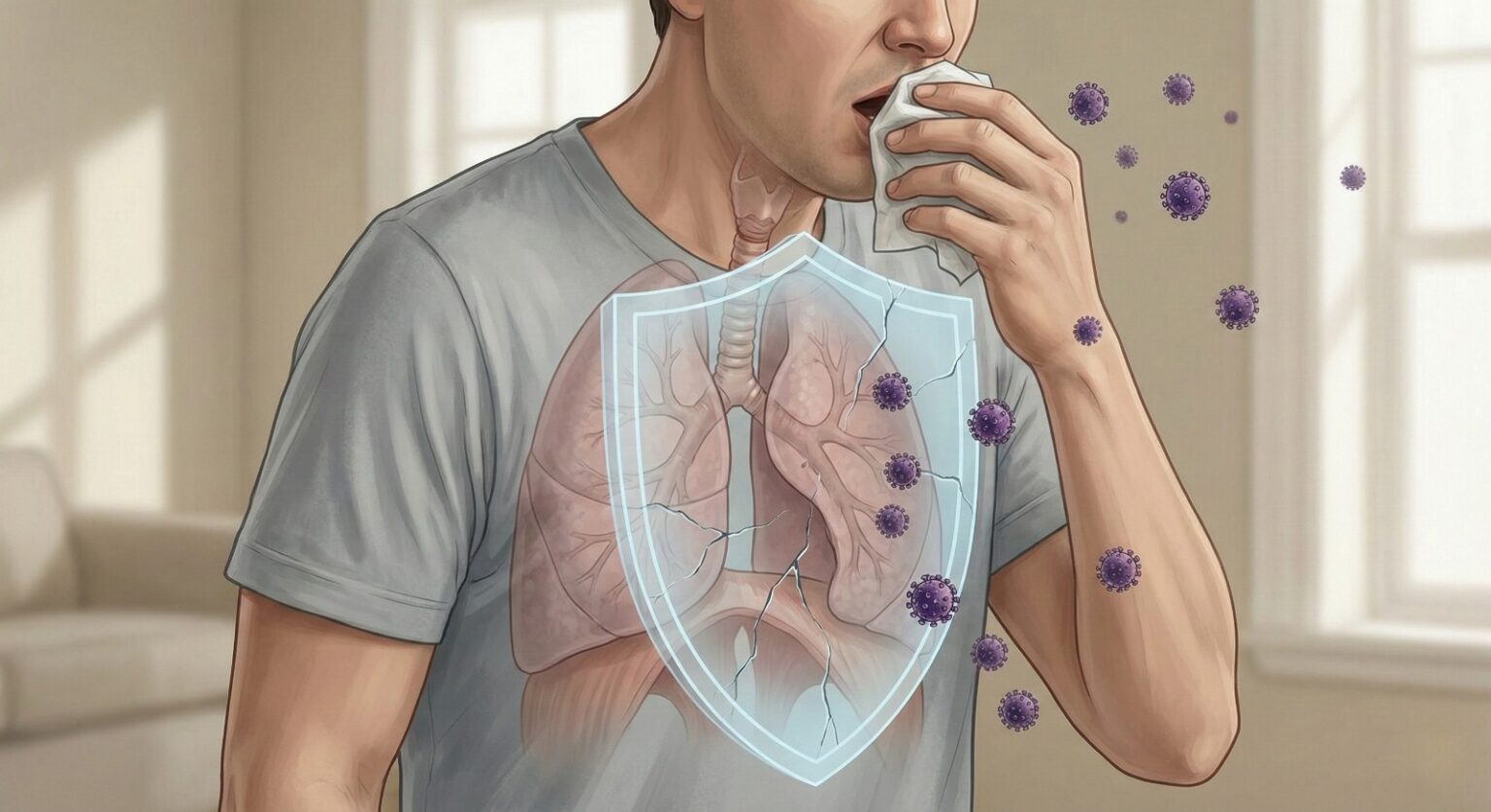
Home Remedies to Protect Your Body From Daily Pollution Exposure

woman wearing mask to reduce pollution exposure exposure

Pollution Is Not Occasional — It Is Daily

Pollution is no longer limited to traffic or factories.
It is now part of daily life.

You are exposed through:
→ Air you breathe
→ Dust on skin
→ Chemicals in surroundings
→ Indoor pollution

The problem is not just coughing or irritation.
Daily pollution slowly affects:
→ Lungs
→ Digestion
→ Skin
→ Immunity
→ Energy levels

You may not feel it immediately,
but the body feels it over time.

At LookAmaze, we focus on daily protection,
not fear and not extreme solutions.

1. Warm Water to Help the Body Flush Toxins

The body removes pollutants through:
→ Digestion
→ Urine
→ Sweat

Warm water supports this natural cleansing.

How it helps:
→ Improves circulation
→ Supports digestion
→ Helps kidneys function better
→ Prevents toxin buildup

Simple habit:
→ Start your day with warm or lukewarm water
→ Sip warm water during the day
→ Avoid ice-cold water regularly

This is the foundation of internal protection.

2. Steam Inhalation for Airways and Lungs

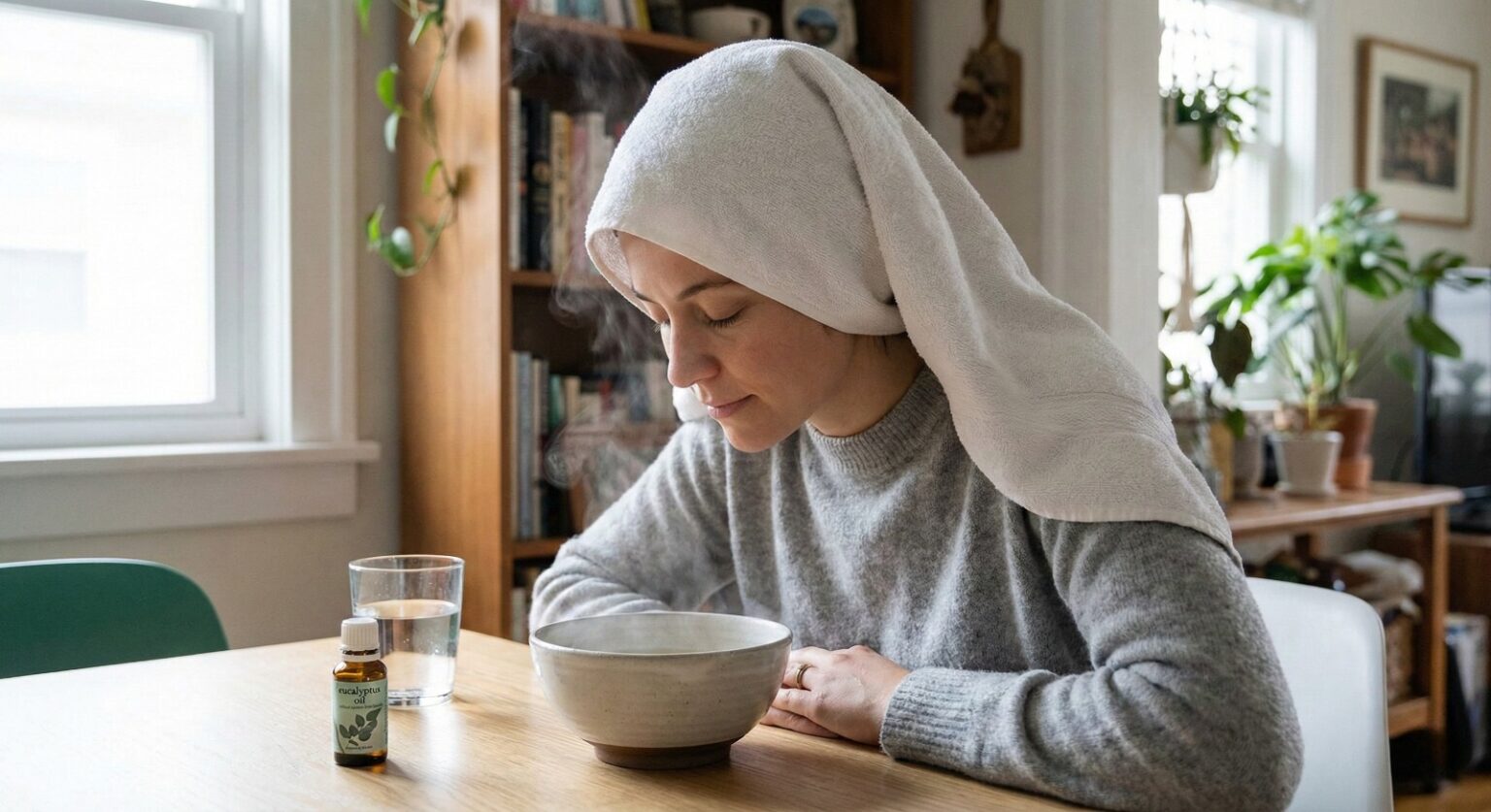
steam inhalation supporting airway relief from pollution

Pollution first affects the respiratory system.

Steam helps by:
→ Clearing nasal passages
→ Reducing dust irritation
→ Moisturizing airways
→ Supporting lung comfort

How to use:
→ Plain steam once or twice a week
→ No need for strong additives
→ Keep it gentle, not aggressive

This simple habit helps lungs recover
from daily polluted air exposure.


3. Foods That Strengthen Natural Detox Systems

The body already has detox organs:
→ Liver
→ Kidneys
→ Gut

They just need support.

Helpful foods:
→ Cooked vegetables
→ Fruits rich in antioxidants
→ Light, home-cooked meals
→ Soups and stews

These foods help:
→ Neutralize free radicals
→ Reduce inflammation
→ Support immunity

Strong digestion = stronger defense against pollution.

4. Oil Massage for Skin Barrier Protection

Skin is the body’s first shield against pollution.

Dry, damaged skin:
→ Absorbs pollutants more easily
→ Becomes irritated faster

Light oil massage helps by:
→ Strengthening skin barrier
→ Preventing dryness
→ Improving circulation

How to do:
→ Use a light natural oil
→ Gentle massage, not heavy rubbing
→ 2–3 times a week is enough

Healthy skin is protective skin.


5. Breathing Practices to Improve Oxygen Intake

Pollution reduces oxygen efficiency in the body.

Slow, deep breathing helps:
→ Improve lung capacity
→ Reduce stress
→ Increase oxygen delivery

Simple habit:
→ Sit calmly
→ Take slow deep breaths
→ Focus on exhalation

Even 5 minutes daily
helps the body adapt better to polluted environments.


6. Gut Health Is Pollution Protection

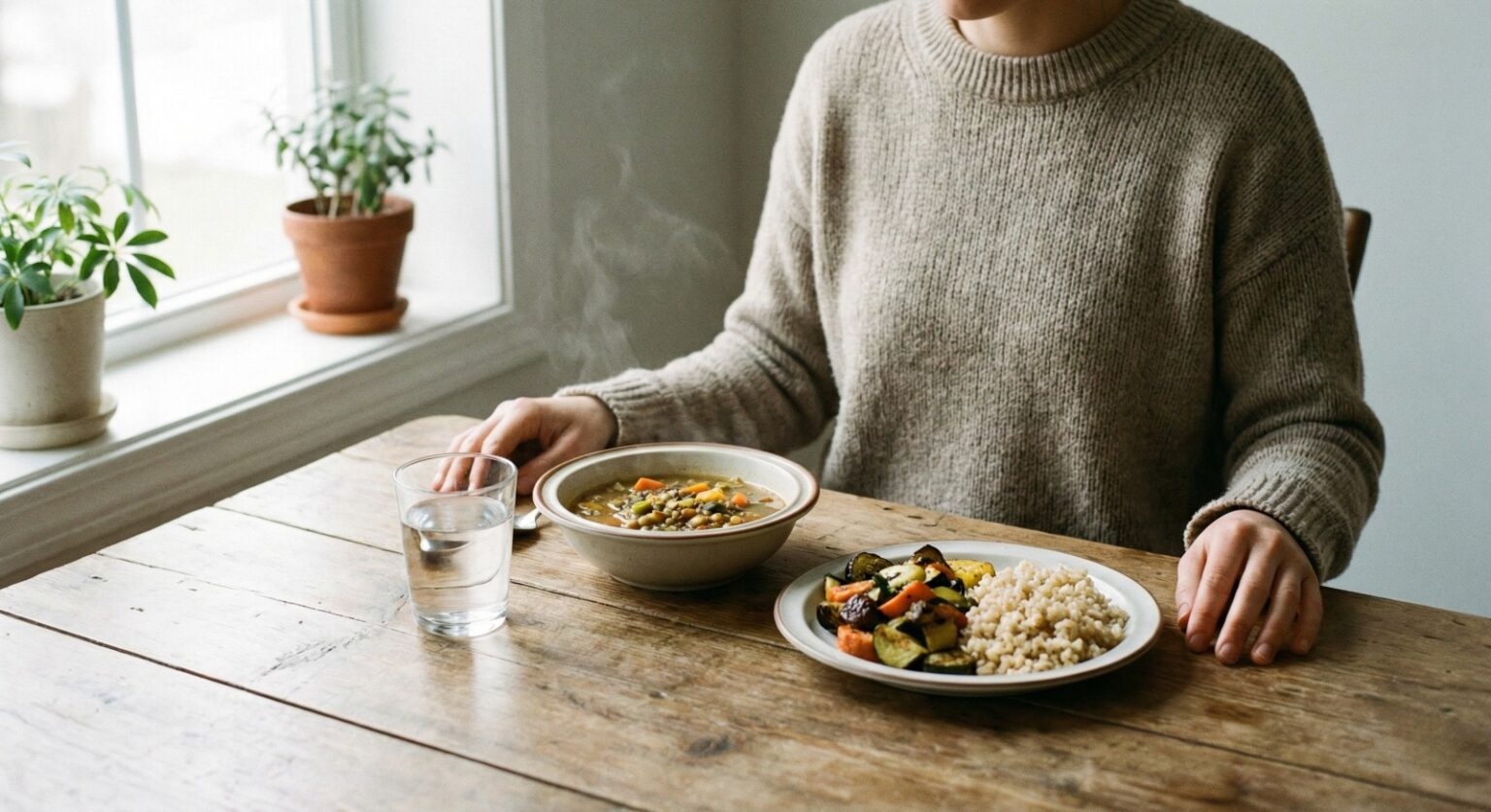
balanced meal supporting gut health against pollution

Many people ignore this.

Pollution affects gut bacteria through:
→ Swallowed dust
→ Chemical exposure
→ Stress response

A healthy gut:
→ Reduces inflammation
→ Improves immunity
→ Helps eliminate toxins

Support gut health by:
→ Eating fermented foods
→ Avoiding excessive junk food
→ Maintaining regular meal times

A strong gut means a stronger body overall.


7. Clean Indoor Air Habits Matter More Than You Think

Outdoor pollution is not fully avoidable.
Indoor habits can reduce total exposure.

Simple steps:
→ Keep living space clean
→ Avoid unnecessary chemical sprays
→ Allow natural ventilation when possible

You cannot control the air outside,
but you can improve the air you live in.


8. Rest and Recovery Reduce Pollution Damage

Pollution causes oxidative stress.

Sleep helps by:
→ Repairing cells
→ Strengthening immunity
→ Balancing hormones

Lack of rest:
→ Increases inflammation
→ Weakens detox systems

No remedy works without rest.

Recovery is protection.

9. When Home Care Is Enough — And When It Is Not

Home remedies help with:
→ Daily exposure
→ Mild symptoms
→ Long-term protection

They are not meant to:
→ Replace medical care
→ Ignore serious symptoms

The goal is prevention,
not delay of treatment.

Conclusion :

calm indoor rest supporting recovery from pollution

You Cannot Escape Pollution — But You Can Protect Yourself

Pollution is a daily reality.
Ignoring it weakens the body silently.

Protection does not require fear or extremes.
It requires:
→ Consistent habits
→ Internal strength
Simple daily care

At LookAmaze, we believe:
Small protective habits done daily
are stronger than occasional drastic actions.

Protect the body gently.
Support it daily.
Let it stay resilient.

related article :

Home Remedies to Protect Your Body From Daily Pollution Exposure

The problem is not just coughing or irritation. Daily pollution slowly affects: → Lungs → Digestion → Skin → Immunity → Energy levels You may not feel it immediately, but the body feels it over time...
Simple Home Remedies You Can Try Before Taking Medicines

Today, many people reach for medicine at the first sign of discomfort. Gas? Tablet. Acidity? Syrup. Cold? Pills. But the body often gives small signals first, not emergencies...
Home Remedies for Common Digestive Problems(Gas, Bloating, and Acidity)

Digestive issues like gas, bloating, and acidity are extremely common. They don’t feel serious at first, but they slowly affect: → Comfort after meals → Energy levels → Mood → Daily routine...

Simple Home Remedies You Can Try Before Taking Medicines

woman resting with warm drink for home remedy

Medicine Is Not Always the First Answer

Today, many people reach for medicine at the first sign of discomfort.
Gas? Tablet.
Acidity? Syrup.
Cold? Pills.

But the body often gives small signals first, not emergencies.

Minor digestive issues, fatigue, acidity, bloating, headaches, or uneasiness
are often signs that the body needs support, not suppression.

Home remedies exist for a reason.
They work with the body, not against it.

At LookAmaze, we believe:
Before medicine, try understanding.
Before suppression, try balance.

1. Warm Water for Everyday Digestive Discomfort

One of the most ignored remedies is also the simplest.

Warm water helps by:
→ Activating digestion
→ Improving gut movement
→ Reducing mild gas and bloating
→ Supporting bowel movement

Many digestion issues are not disease —
they are slow systems.

How to use:
→ Drink warm or lukewarm water in the morning
→ Take small sips, not large gulps
→ Avoid cold water when digestion feels weak

This habit alone improves comfort for many people.

2. Ginger for Gas, Nausea, and Heavy Feeling

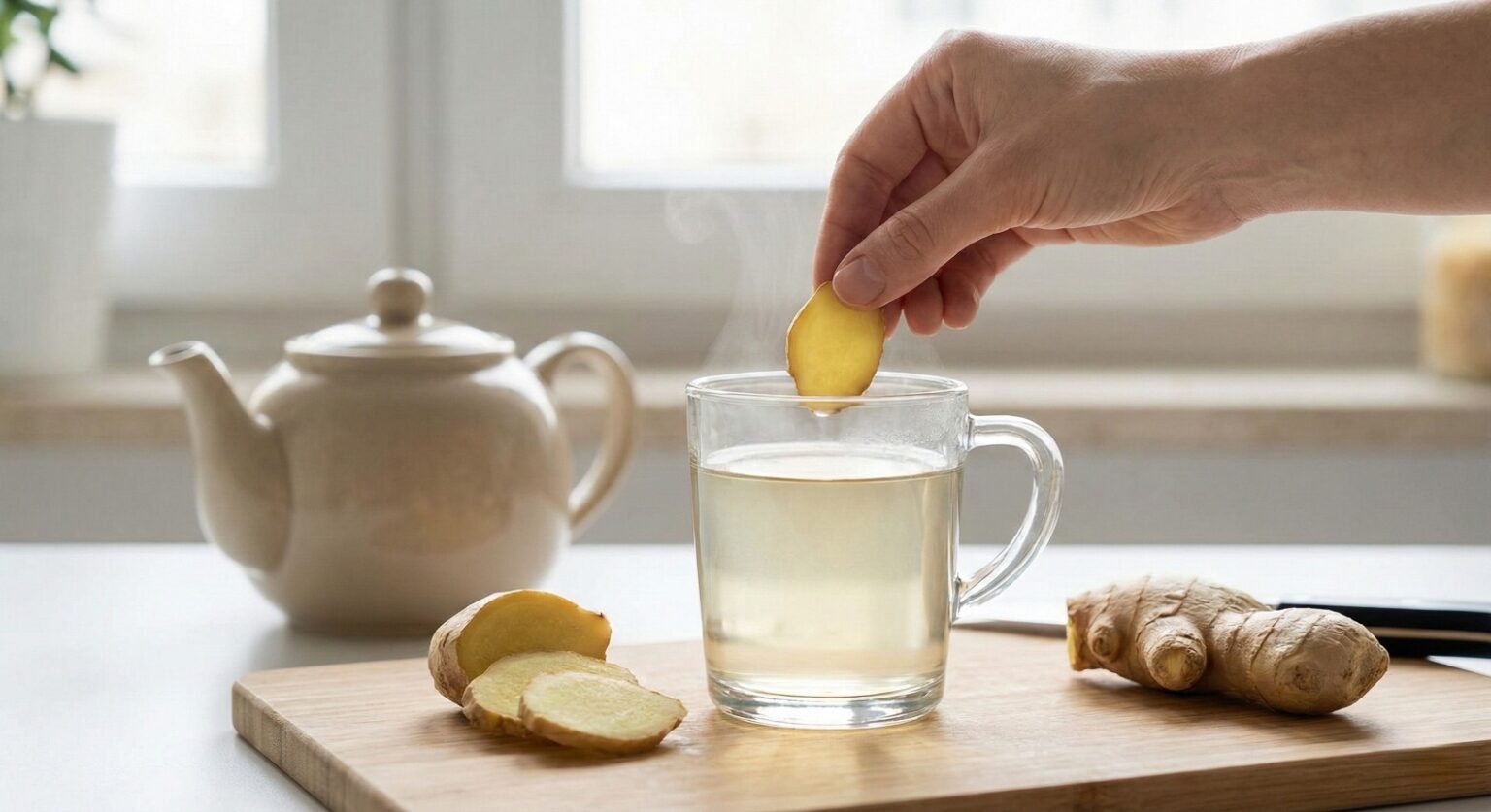
ginger tea natural remedy for digestion relief

Ginger is not just a spice —
it is a natural digestive activator.

It helps with:
→ Gas
→ Nausea
→ Indigestion
→ Heavy stomach after meals

Why it works:
Ginger stimulates digestive enzymes and reduces fermentation in the gut.

Simple ways to use:
→ Ginger tea after meals
→ Small piece of ginger with warm water
→ Ginger added to cooking

This is often enough for mild digestive issues
without needing medicine.

3. Fennel Seeds After Meals for Bloating and Freshness

Fennel seeds are a traditional remedy for a reason.

They help:
→ Release trapped gas
→ Reduce bloating
→ Freshen the mouth
→ Calm the stomach

Chewing fennel after meals:
→ Improves digestion
→ Prevents heaviness
→ Reduces post-meal discomfort

This is a gentle remedy
that works well for daily use.


4. Warm Salt Water Gargle Before Cold Medicines

Not every sore throat needs medication.

Warm salt water:
→ Reduces throat irritation
→ Flushes bacteria
→ Relieves early discomfort

How to use:
→ Warm water
→ A pinch of salt
→ Gargle once or twice daily

This simple habit often prevents the need
for stronger medicines later.

5. Rest and Sleep: The Most Underrated Remedy

Many symptoms appear when the body is tired.

Lack of rest causes:
→ Weak digestion
→ Headaches
→ Low immunity
→ Slower recovery

Before assuming illness, ask:
Have I rested enough?

Sometimes:
→ One good night’s sleep
→ Reduced screen time
→ Slowing down for a day

does more than any pill.

6. Warm Compress for Mild Pain and Discomfort

For mild pain, stiffness, or cramps:

Warmth helps by:
→ Improving blood flow
→ Relaxing muscles
→ Reducing tension

Useful for:
→ Mild stomach discomfort
→ Muscle stiffness
→ Lower back uneasiness

This supports healing without side effects.


7. Hydration for Fatigue, Headache, and Acidity

Dehydration often shows up as:
→ Headache
→ Acidity
→ Low energy
→ Dizziness

Before medicine, try:
→ Water
→ Warm fluids
→ Soups or light broths

Many “symptoms” disappear
once hydration improves.


8. When Home Remedies Are Enough — And When They Are Not

resting at home supporting natural healing process

Home remedies are for:
→ Mild issues
→ Early discomfort
→ Daily support

They are not a replacement for medical care
when symptoms are severe, persistent, or worsening.

The key is balance:
→ Try simple remedies first
→ Observe the body
→ Use medicine when truly needed

Wise care is not avoidance of medicine —
it is right timing.


Conclusion :

Trust Simple Care Before Strong Solutions

The body is not fragile.
It often heals with basic support.

Before medicine:
→ Try warmth
→ Try rest
→ Try hydration
→ Try gentle natural remedies

At LookAmaze, we believe:
Health improves when you listen early,
not when you silence signals.

Simple care, done consistently,
prevents bigger problems later.

related article :

Home Remedies to Protect Your Body From Daily Pollution Exposure

The problem is not just coughing or irritation. Daily pollution slowly affects: → Lungs → Digestion → Skin → Immunity → Energy levels You may not feel it immediately, but the body feels it over time...

Simple Home Remedies You Can Try Before Taking Medicines

Today, many people reach for medicine at the first sign of discomfort. Gas? Tablet. Acidity? Syrup. Cold? Pills. But the body often gives small signals first, not emergencies...

Home Remedies for Common Digestive Problems(Gas, Bloating, and Acidity)

Digestive issues like gas, bloating, and acidity are extremely common. They don’t feel serious at first, but they slowly affect: → Comfort after meals → Energy levels → Mood → Daily routine...

Home Remedies for Common Digestive Problems(Gas, Bloating, and Acidity)

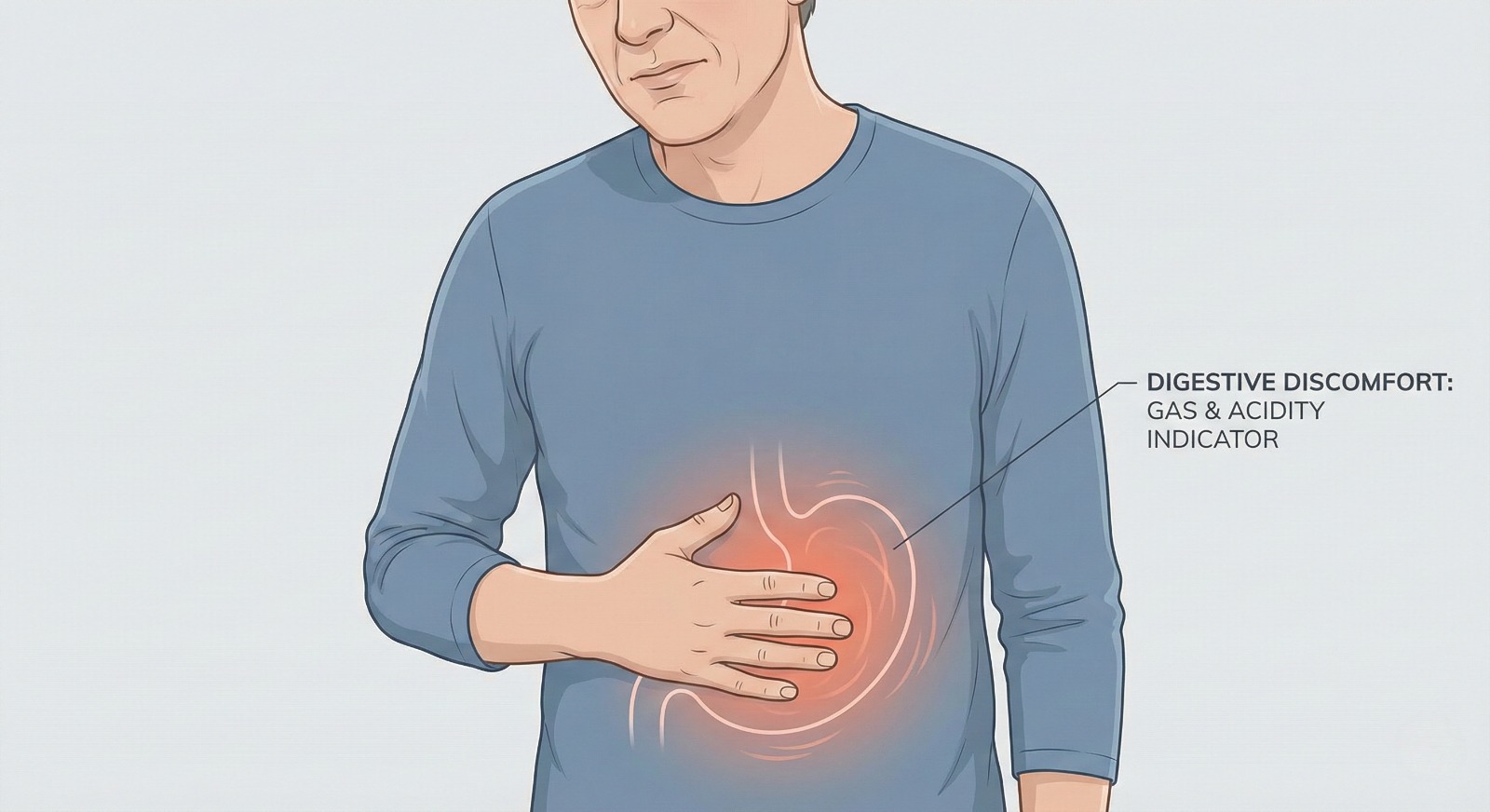
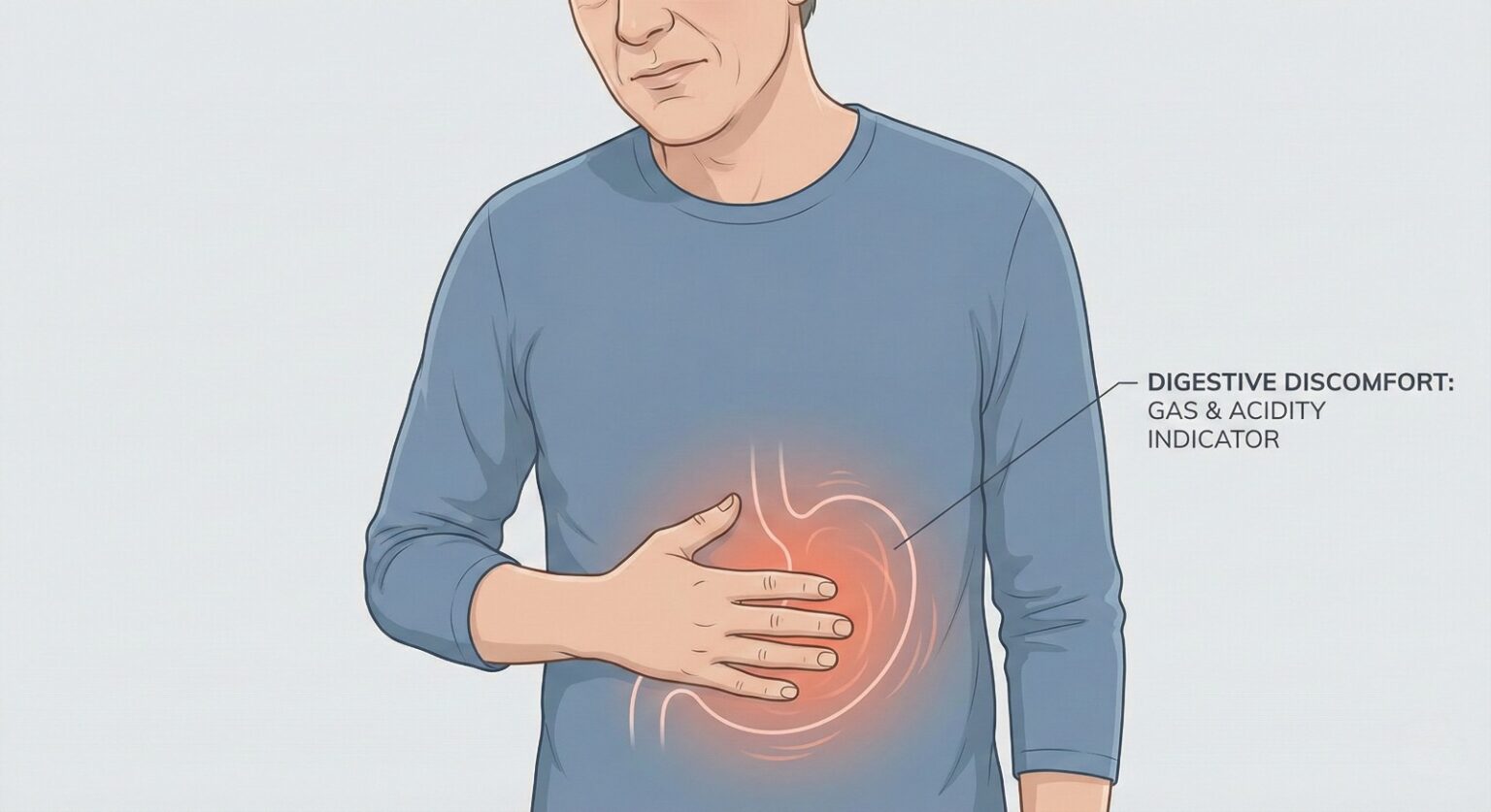
person holding stomach showing gas and acidity discomfort

Small Digestive Problems, Daily Discomfort

Digestive issues like gas, bloating, and acidity are extremely common.
They don’t feel serious at first, but they slowly affect:

→ Comfort after meals
→ Energy levels
→ Mood
→ Daily routine

Most of these problems don’t start suddenly.
They build up because of daily habits.

The good news?
Many mild digestive issues can be supported naturally before jumping to medicines.

At LookAmaze, we focus on simple, safe home habits that support digestion gently.

1. Gas and Bloating After Meals

Gas and bloating usually happen when digestion is slow.

Common reasons:
→ Eating too fast
→ Poor food combinations
→ Cold drinks with meals
→ Stress while eating

Simple home remedies:

→ Drink warm water after meals
→ Sit and walk lightly for 5–10 minutes
→ Avoid lying down immediately
→ Eat smaller portions instead of heavy meals

Warmth and movement help gas move out naturally.

2. Acidity and Burning Sensation

Acidity is not always about spicy food.
It often comes from irregular eating and stress.

Common triggers:
→ Skipping meals
→ Eating late at night
→ Excess tea or coffee
→ Heavy, oily food

Gentle home support:

→ Sip lukewarm water during the day
→ Avoid eating just before sleeping
→ Eat meals at regular times
→ Keep dinners light and simple

The stomach heals better with routine than restriction.

3. Morning Heaviness or Indigestion

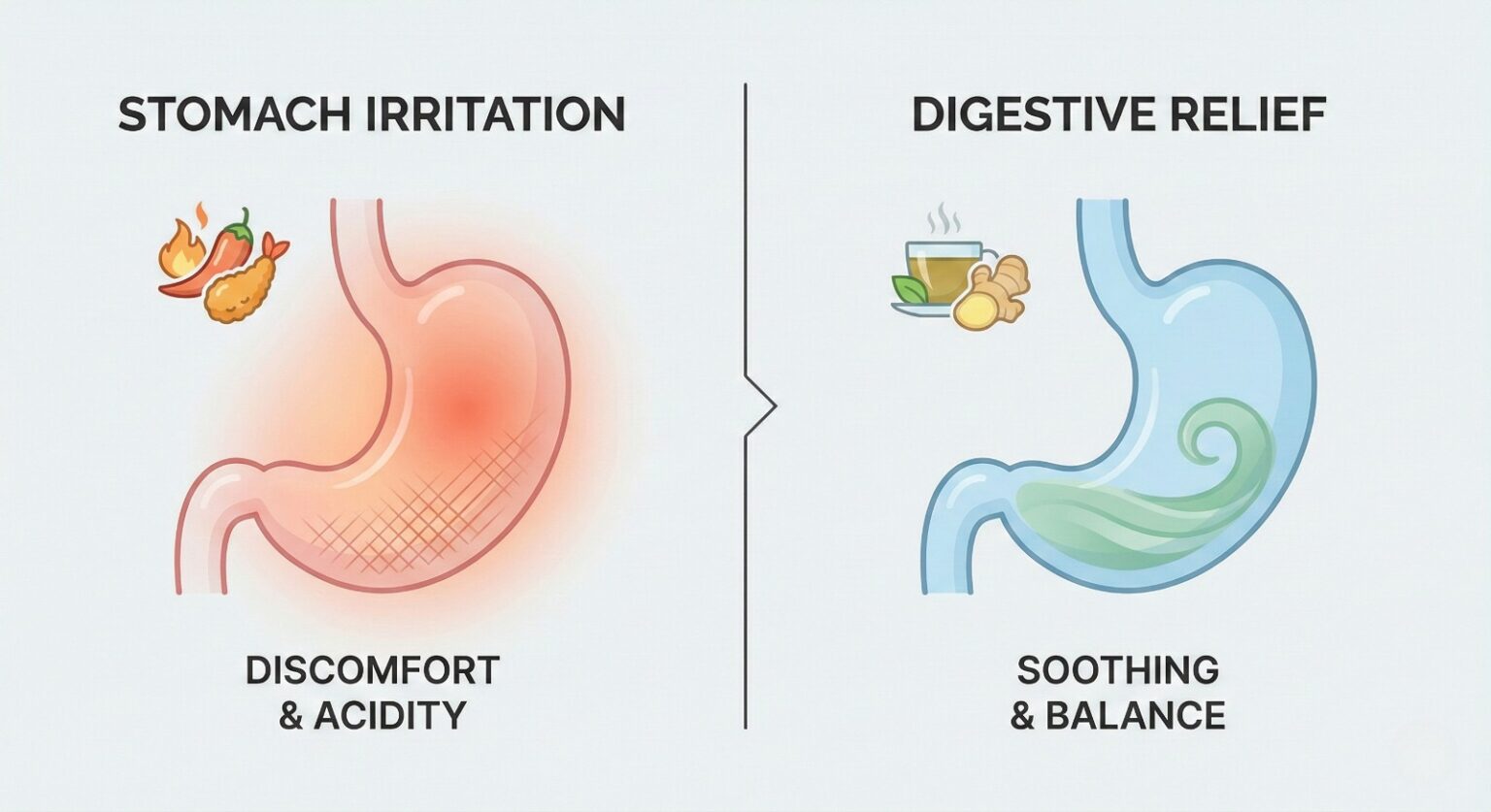
stomach irritation vs digestive relief illustration

Waking up with a heavy stomach is a sign digestion did not finish its work.

Possible causes:
→ Heavy dinner
→ Late-night snacking
→ Poor sleep routine

Helpful morning habits:

→ Drink warm water after waking
→ Avoid tea or coffee on an empty stomach
→ Eat breakfast only after hunger appears

A calm morning helps reset digestion for the day.

4. Irregular Bowel Movement

Constipation or irregular bowel habits are common digestive complaints.

This often happens due to:
→ Low water intake
→ Lack of movement
→ Irregular eating

Natural support:

→ Drink warm water in the morning
→ Add fruits and vegetables to meals
→ Walk daily to activate gut movement

Digestion loves consistency.


5. Home Remedies Are Support, Not Replacement

Home remedies work best when problems are:
→ Mild
→ Occasional
→ Habit-related

They are not a replacement for medical care when symptoms are severe or long-lasting.

The goal is to:
→ Reduce dependency on medicines
→ Support the body naturally
→ Improve daily comfort

Listening to your body early prevents bigger problems later.


Conclusion :

Support Digestion Before It Demands Attention

Gas, bloating, and acidity are signals — not enemies.

With:
→ Warm food
→ Regular timing
→ Simple habits

Digestion often improves naturally.

At LookAmaze, we believe:
You don’t need complicated solutions.
You need daily digestive awareness.

When digestion feels light,
life feels easier.

related article :

Home Remedies to Protect Your Body From Daily Pollution Exposure

The problem is not just coughing or irritation. Daily pollution slowly affects: → Lungs → Digestion → Skin → Immunity → Energy levels You may not feel it immediately, but the body feels it over time...

Simple Home Remedies You Can Try Before Taking Medicines

Today, many people reach for medicine at the first sign of discomfort. Gas? Tablet. Acidity? Syrup. Cold? Pills. But the body often gives small signals first, not emergencies...

Home Remedies for Common Digestive Problems(Gas, Bloating, and Acidity)

Digestive issues like gas, bloating, and acidity are extremely common. They don’t feel serious at first, but they slowly affect: → Comfort after meals → Energy levels → Mood → Daily routine...

Are “Healthy Snacks” Actually Healthy? Truth Explained

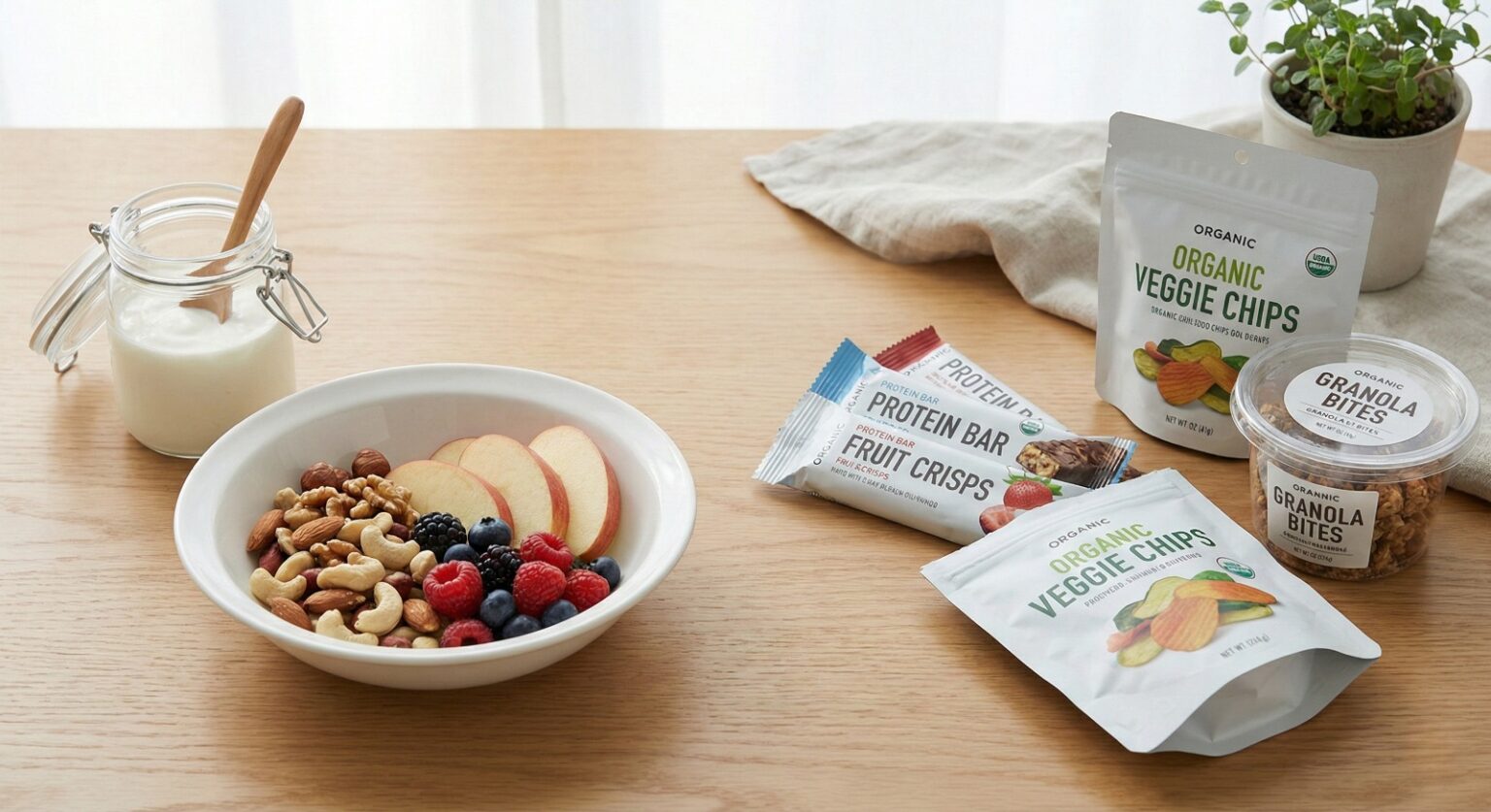
healthy snack options with nuts and fruit

“Healthy” Does Not Always Mean Good for You

Today, every packet says:
→ Healthy
→ High protein
→ Low fat
→ Natural
→ Guilt-free

But many people still feel:
→ Bloated
→ Hungry again soon
→ Low energy
→ Digestive discomfort

So the question is important:
Are healthy snacks actually healthy — or just smartly marketed?

At LookAmaze, we don’t follow labels.
We follow how food behaves inside the body.

1. Why “Healthy Snacks” Became So Popular

Busy lifestyles changed eating habits.

People want snacks that are:
→ Quick
→ Portable
→ Marketed as healthy

Food companies noticed this gap and created:
→ Protein bars
→ Energy balls
→ Baked chips
→ Granola bars
→ Sugar-free snacks

The problem is not snacking.
The problem is blind trust in packaging.

2. The Biggest Trap: Health Claims on the Packet

Words that sound healthy:
→ “Low fat”
→ “High protein”
→ “No added sugar”
→ “Made with grains”
→ “Natural ingredients”

But these often hide:
→ Refined carbs
→ Added sweeteners
→ Preservatives
→ Artificial flavors

A snack can be “low fat” and still:
Spike blood sugar
→ Increase cravings
→ Stress digestion

Marketing focuses on one good thing
and hides five bad ones.

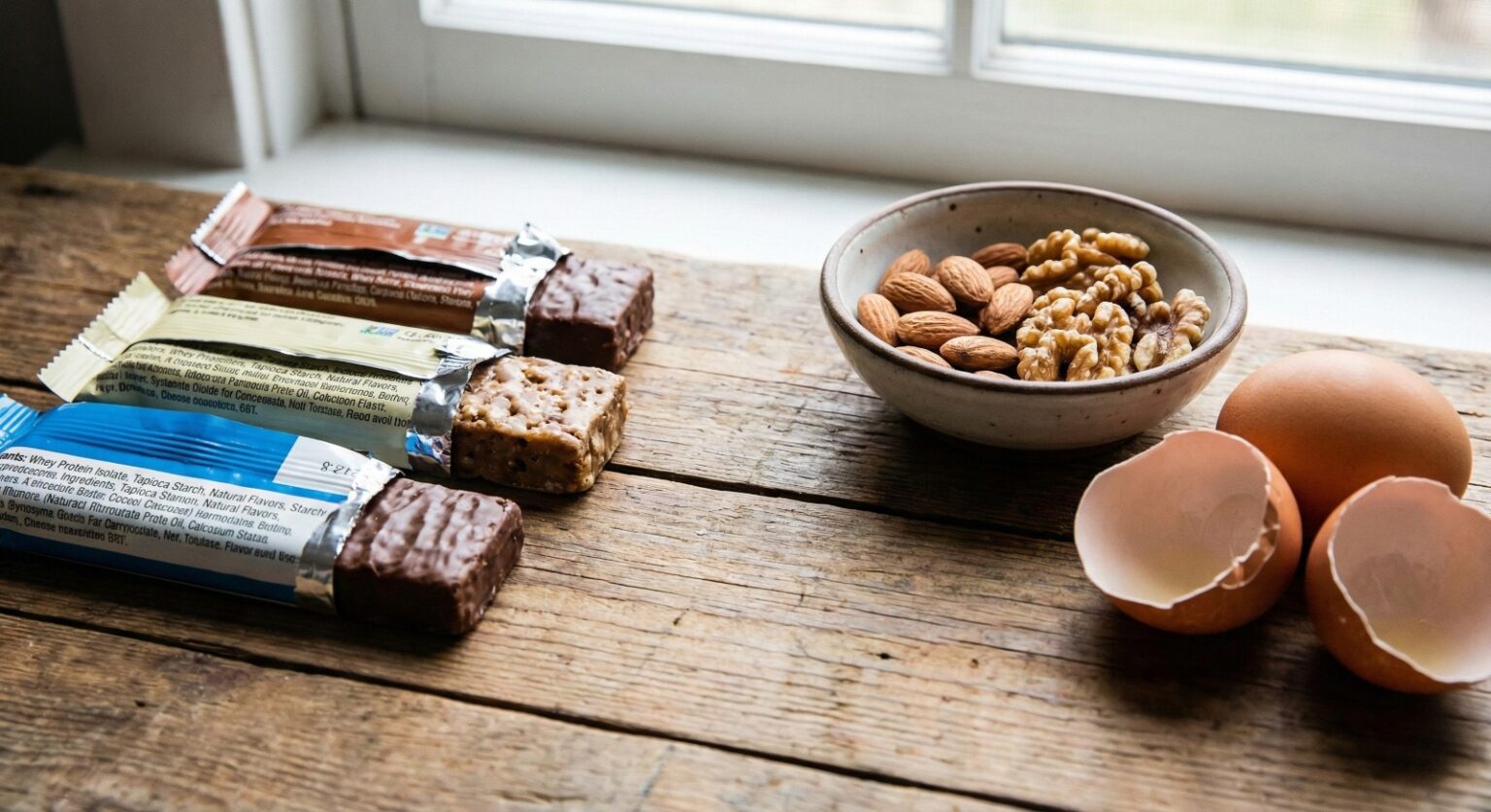
3. Protein Bars and Energy Bars: Not Always Your Friend

protein bars and nuts as snack choices

Protein bars look perfect on paper.

But many contain:
→ Added sugars or syrups
→ Highly processed protein
→ Artificial fibers
→ Chemical sweeteners

For some people, they cause:
→ Bloating
→ Gas
→ Constipation
→ Hunger soon after

Protein helps only when:
→ Source is clean
→ Portion is right
→ Digestion can handle it

A bar is not automatically better than real food.

4. “Baked” and “Roasted” Snacks: Better, But Not Ideal

Baked chips and roasted snacks sound safer than fried ones.

They are:
→ Lower in oil
→ Less heavy than fried food

But still:
→ Highly processed
→ Easy to overeat
→ Low in real nutrition

Eating them daily turns snacks into:
→ Habit eating
→ Mindless eating
Hidden calorie intake

Occasional use is fine.
Daily dependence is not.

5. The Sugar Problem Hidden in Healthy Snacks

Many “healthy” snacks use:
→ Honey
→ Jaggery
→ Dates
→ Fruit concentrates

These are still sugar.

Too much causes:
→ Blood sugar spikes
→ Energy crashes
→ More cravings
→ Fat storage

Natural sugar is better than refined sugar —
but quantity still matters.

Healthy snacks should satisfy,
not trigger another hunger wave.


6. Portion Size: The Silent Problem

Most snacks look small.
But people eat:
→ Two bars instead of one
→ One full packet instead of a handful

Packaged snacks are designed to:
→ Be easy to overeat
→ Feel “light”
→ Avoid fullness

Real snacks should:
→ Calm hunger
→ Not excite it

If a snack makes you want more,
it failed its job.


7. What Actually Makes a Snack Healthy

whole food snacks supporting healthier eating habits

A genuinely healthy snack:
→ Digests easily
→ Keeps you full
→ Does not spike sugar
→ Feels light but satisfying

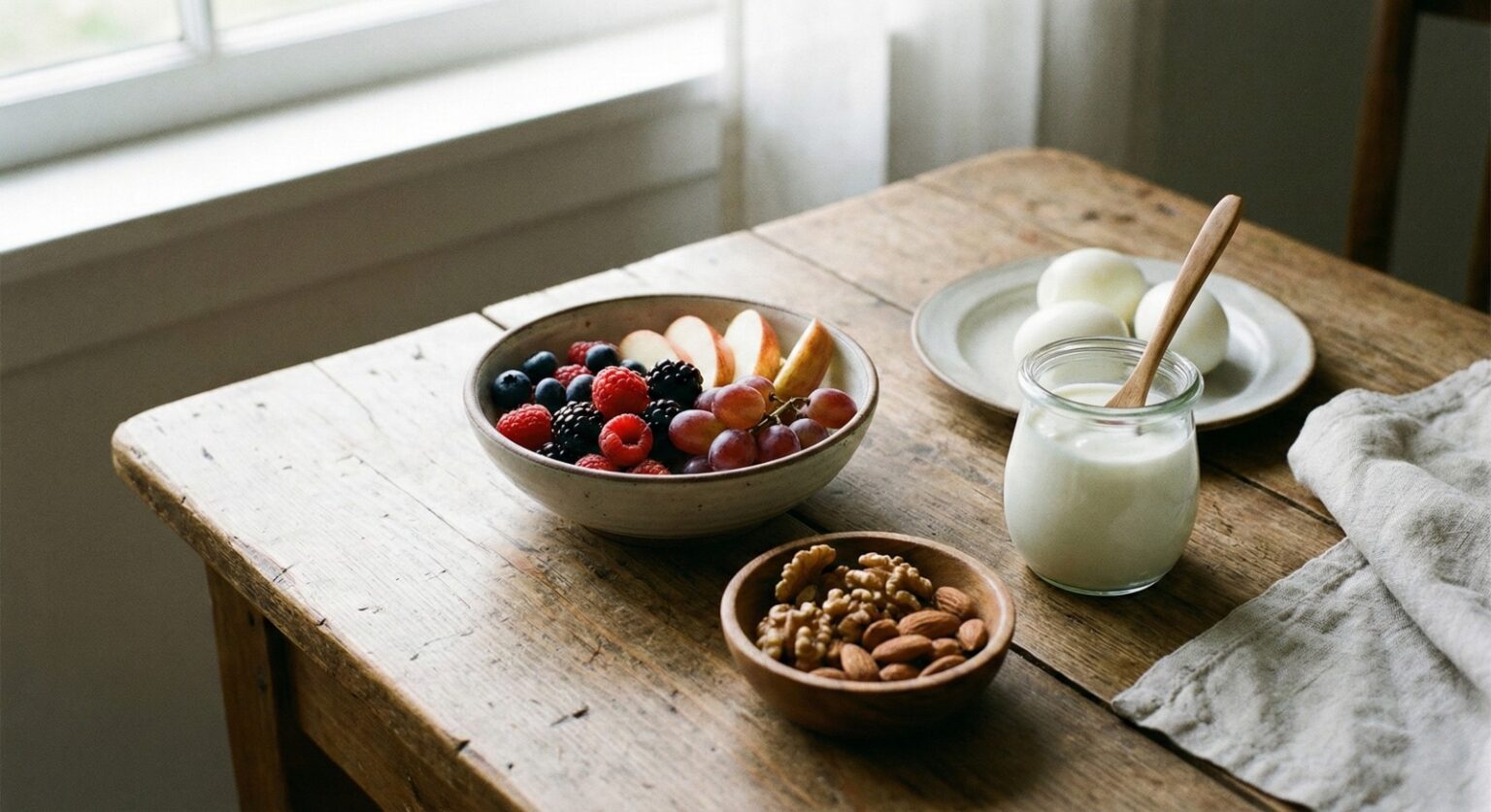
Better snack examples:
→ Fruit + nuts
→ Yogurt
→ Roasted chana
→ Boiled eggs
→ Home-made snacks

Real food beats packaged food
almost every time.


8. How to Snack Smart Without Overthinking

Simple rules that work:
Snack only when actually hungry
→ Choose food over packets
→ Keep portions small
→ Avoid snacking out of boredom

Snacking should support meals,
not replace them.

Conclusion :

Don’t Trust the Label — Trust How Your Body Feels

Healthy snacks are not evil.
But many are not as healthy as they claim.

True health comes from:
→ Awareness
→ Simple choices
→ Listening to digestion

At LookAmaze, we believe:
You don’t need perfect snacks.
You need honest food decisions.

Eat smart.
Snack mindfully.
Stay consistent.

related article :

Are “Healthy Snacks” Actually Healthy? Truth Explained

“Healthy” Does Not Always Mean Good for You Today, every packet says: → Healthy → High protein → Low fat → Natural → Guilt-free...

Fix Slow Digestion After 30 With These 8 Habits

With age, digestion doesn’t suddenly fail — it slows down quietly, and most people don’t notice until discomfort starts. Common complaints after 30–35: → Food feels heavy → Bloating after normal...

How to Eat Healthy Without Giving Up Your Favorite Foods

Most people think eating healthy means: → Saying goodbye to favorite foods → Constant restriction → Guilt after every “unhealthy” bite That mindset never lasts...

Fix Slow Digestion After 30 With These 8 Habits

mindful eating habit supporting digestion with age

It’s Not Aging — It’s How Digestion Changes

Many people think digestion problems are just “part of aging.”

But that’s not the full truth.

With age, digestion doesn’t suddenly fail —
it slows down quietly, and most people don’t notice until discomfort starts.

Common complaints after 30–35:
→ Food feels heavy
→ Bloating after normal meals
→ Gas or acidity
→ Constipation
→ Energy drops after eating

This doesn’t mean your body is weak.
It means your digestion now needs support, not pressure.

At LookAmaze, we focus on how eating habits can fix digestion naturally, without extreme diets.

1. Digestive Enzymes Reduce With Age

warm balanced meal aiding digestion as we age

As we age, the body produces fewer digestive enzymes.

These enzymes are responsible for:
→ Breaking down food
→ Absorbing nutrients
→ Preventing fermentation in the gut

When enzymes reduce:
→ Food stays longer in the stomach
→ Gas and bloating increase
→ Nutrient absorption drops

How eating can fix this:
Eat slowly and chew thoroughly
→ Prefer warm, cooked meals
→ Avoid overeating in one sitting
→ Include fermented foods like yogurt or buttermilk

Digestion starts in the mouth, not the stomach.

2. Metabolism Slows, But Appetite Often Doesn’t

woman eating calmly to support aging digestion

After 30, metabolism slows naturally.

But many people continue eating:
→ Same portions
→ Same frequency
→ Same heavy foods

This mismatch causes:
→ Weight gain
→ Heaviness
→ Sluggish digestion

Smart eating adjustment:
→ Slightly reduce portion size
→ Eat until satisfied, not stuffed
→ Focus on food quality, not quantity

Eating less is not the goal.
Eating smarter is.


3. Gut Movement Becomes Slower

Gut muscles also age.

Slower gut movement leads to:
→ Constipation
→ Incomplete bowel movement
→ Bloating

Eating habits that help gut movement:
→ Warm water after waking
Fiber from vegetables and fruits
→ Enough hydration
→ Regular meal timing

Your gut loves rhythm.
Irregular eating confuses it.

4. Stress Affects Digestion More With Age

The older we get, the more stress impacts digestion.

Stress reduces:
→ Blood flow to the stomach
→ Digestive enzyme release
→ Gut relaxation

Result:
→ Acidity
→ Gas
→ Appetite problems

Eating for stress-sensitive digestion:
→ Avoid eating while anxious
→ Sit down calmly for meals
→ Avoid screens during eating
→ Take 2–3 deep breaths before meals

Calm eating improves digestion more than supplements.


5. Heavy and Processed Foods Hit Harder

With age, the gut becomes less tolerant of:
→ Deep-fried food
→ Ultra-processed snacks
→ Excess sugar
→ Reheated oils

These foods:
→ Slow digestion
→ Cause inflammation
→ Increase acidity

Better eating choices:
→ Home-cooked meals
→ Fresh ingredients
→ Simple cooking methods
→ Light spices

Simple food digests better than fancy food.


6. Late-Night Eating Becomes a Bigger Problem

late night eating habit affecting digestion health

Digestion slows naturally at night.

Late-night eating causes:
→ Acid reflux
→ Poor sleep
→ Incomplete digestion

Eating fix:
→ Finish dinner 2–3 hours before sleep
→ Keep dinner light
→ Avoid heavy carbs and fried food at night

Good sleep starts with good digestion.

7. Protein Needs Change With Age

Protein remains important, but digestion tolerance changes.

Heavy protein overload causes:
→ Gas
→ Heaviness
→ Slow digestion

Eat protein smartly:
→ Moderate portions
→ Well-cooked dals
→ Eggs, tofu, paneer
→ Avoid combining heavy protein with heavy carbs

Balanced protein supports strength without stressing digestion.


8. Consistency Matters More Than Perfection

After age 30, digestion improves with:
→ Routine
→ Predictable meals
→ Familiar foods

Constant experiments confuse the gut.

Simple rule:
Eat what suits you consistently, not what trends suggest.

How Eating Can Fix Digestion as You Age (Quick Summary)

Focus on:
→ Warm, cooked meals
→ Smaller, balanced portions
→ Regular meal timing
→ Calm eating environment
→ Light dinners
→ Daily movement

No extreme diets needed.


Conclusion :

simple nourishing meal promoting healthy digestion

Aging Is Natural — Digestive Struggle Is Optional

Digestion slowing with age is normal.
Suffering because of it is not.

When you:
→ Respect digestion
Adjust eating habits
→ Reduce stress

Your gut responds positively.

At LookAmaze, we believe:
You don’t need strict rules.
You need digestive awareness.

When digestion works smoothly,
energy, mood, and health follow naturally.

related article :

Are “Healthy Snacks” Actually Healthy? Truth Explained

“Healthy” Does Not Always Mean Good for You Today, every packet says: → Healthy → High protein → Low fat → Natural → Guilt-free...

Fix Slow Digestion After 30 With These 8 Habits

With age, digestion doesn’t suddenly fail — it slows down quietly, and most people don’t notice until discomfort starts. Common complaints after 30–35: → Food feels heavy → Bloating after normal...

How to Eat Healthy Without Giving Up Your Favorite Foods

Most people think eating healthy means: → Saying goodbye to favorite foods → Constant restriction → Guilt after every “unhealthy” bite That mindset never lasts...

How to Eat Healthy Without Giving Up Your Favorite Foods

balanced healthy meal supporting sustainable eating habits

Healthy Eating Is Not Punishment

Most people think eating healthy means:
→ Saying goodbye to favorite foods
→ Constant restriction
→ Guilt after every “unhealthy” bite

That mindset never lasts.

Real health is not built by force.
It is built by balance, awareness, and consistency.

You don’t need to quit your favorite foods.
You need to learn how to eat them wisely.

At LookAmaze, we believe healthy eating should fit into real life — not fight against it.

1. Why Extreme Dieting Always Fails

The moment food becomes an enemy, health starts breaking.

Extreme diets often cause:
→ Cravings
→ Emotional eating
→ Loss of control
→ Guilt cycles
→ Giving up completely

The body does not understand punishment.
It understands patterns.

Healthy eating works when it feels:
→ Sustainable
→ Enjoyable
→ Stress-free

The goal is not perfect eating.
The goal is repeatable habits.


2. The 80–20 Rule That Actually Works

woman enjoying balanced meal with mindful eating

You don’t need to eat “clean” all the time.

A simple approach:
→ 80% nourishing, balanced meals
→ 20% favorite foods you genuinely enjoy

This means:
→ Most meals support digestion and energy
→ Some meals support happiness and satisfaction

Food is not just nutrition.
It is also culture, comfort, and connection.

When guilt disappears, overeating disappears too.

3. Portion Control Matters More Than Food Elimination

You don’t get unhealthy because of one food.
You get unhealthy because of quantity and frequency.

Instead of cutting foods, adjust:
→ Portion size
→ Eating speed
→ How often you eat them

For example:
→ Pizza once a week is fine
→ Pizza every night is not

Eating your favorite food slowly and mindfully
is healthier than binge-eating “healthy” food.

4. Timing Can Make “Unhealthy” Foods Healthier

balanced plate combining favorite foods with nutrition

When you eat matters almost as much as what you eat.

Helpful timing habits:
→ Eat heavier foods earlier in the day
→ Keep dinners lighter
→ Avoid heavy junk food late at night

The same food feels different:
→ At lunch — manageable
→ Late night — heavy and uncomfortable

Smart timing reduces guilt and digestion issues.


5. Balance Your Favorite Foods With Smart Pairing

You don’t have to remove foods — just balance them.

Examples:
→ Eating carbs? Add protein
→ Eating something oily? Add fiber
→ Eating sweets? Keep portion small and slow

This helps:
→ Stable blood sugar
→ Better digestion
→ Longer fullness
→ Fewer cravings later

Balance is not restriction.
It is intelligence.


6. Emotional Eating Needs Understanding, Not Control

healthy home cooked meal supporting mindful eating

Sometimes food is not about hunger.

It is about:
→ Stress
→ Boredom
→ Comfort
→ Habit

Forcing discipline during emotional eating never works.

Instead:
→ Pause before eating
→ Ask, “What do I really need right now?”
→ Eat consciously, not secretly

Awareness heals faster than control.


7. Simple Daily Rules That Make Everything Easier

You don’t need complex plans.

Just remember:
→ Eat slowly
→ Stop eating before feeling heavy
→ Enjoy food without guilt
→ Return to balance at the next meal

One meal never defines health.
Daily patterns do.

Conclusion :

calm mindful eating habit supporting healthy lifestyle

You Don’t Need to Quit Food — You Need a Better Relationship With It

Healthy eating is not about perfection.
It is about peace with food.

When you:
→ Remove guilt
→ Add balance
→ Respect your body

Health becomes natural.

At LookAmaze, we believe you don’t need strict diets.
You need sustainable awareness.

Eat well.
Enjoy food.
Repeat daily.

related article :

Are “Healthy Snacks” Actually Healthy? Truth Explained

“Healthy” Does Not Always Mean Good for You Today, every packet says: → Healthy → High protein → Low fat → Natural → Guilt-free...

Fix Slow Digestion After 30 With These 8 Habits

With age, digestion doesn’t suddenly fail — it slows down quietly, and most people don’t notice until discomfort starts. Common complaints after 30–35: → Food feels heavy → Bloating after normal...

How to Eat Healthy Without Giving Up Your Favorite Foods

Most people think eating healthy means: → Saying goodbye to favorite foods → Constant restriction → Guilt after every “unhealthy” bite That mindset never lasts...

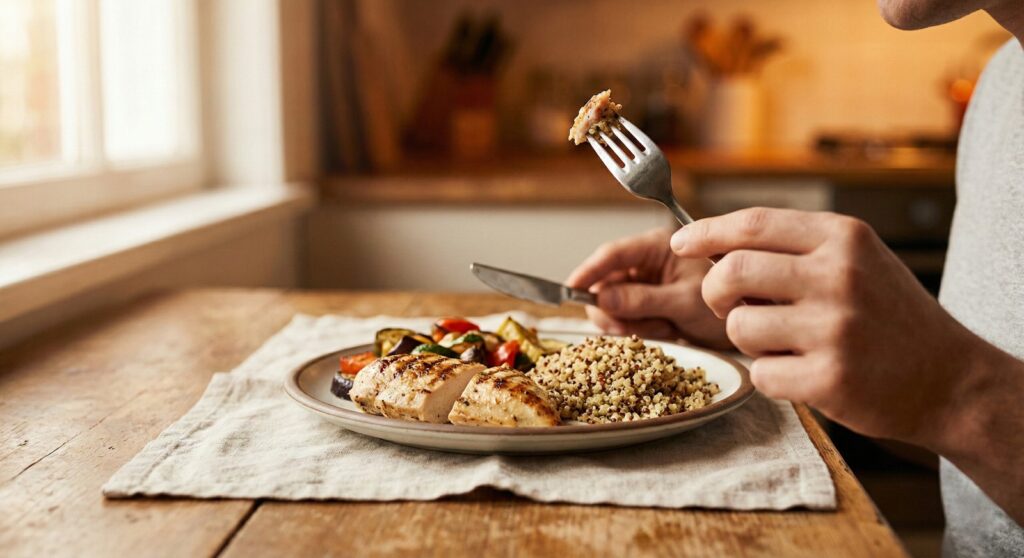
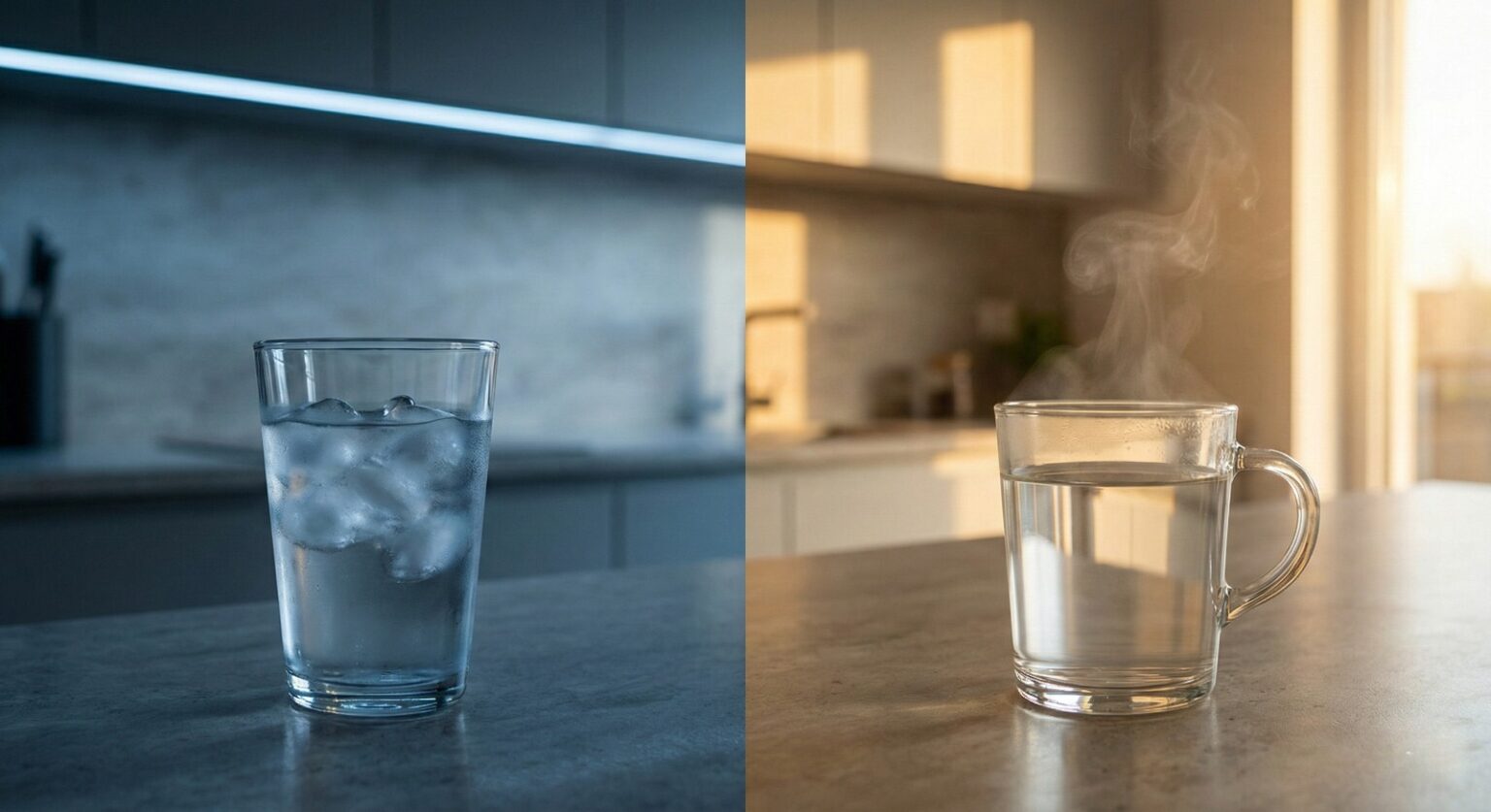
Warm Water vs Cold Water: What’s Better for Gut Health?

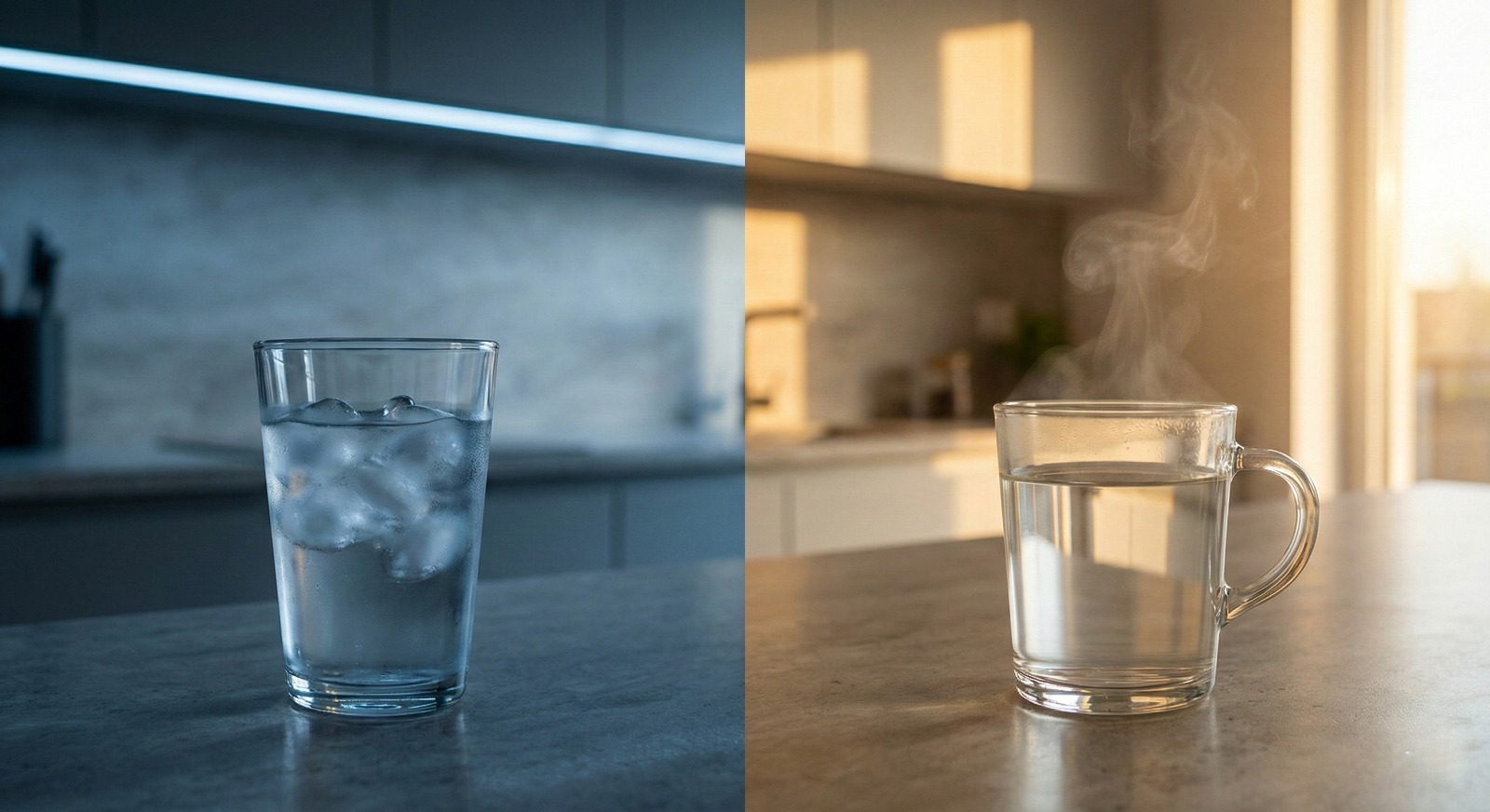
warm water vs cold water gut health

Water Temperature Matters More Than You Think

Most people focus on what they eat.
Very few people think about how they drink water.

But water temperature directly affects:
→ Digestion
→ Bloating
→ Acidity
→ Bowel movement
→ Overall gut comfort

Warm water and cold water behave very differently inside the body.

This article is not about myths.
It is about how digestion actually responds to temperature.

At LookAmaze, we focus on practical gut health habits, not trends.

1. How Digestion Reacts to Temperature

Your digestive system works best in a warm environment.

Digestion depends on:
→ Digestive enzymes
→ Healthy blood flow
→ Smooth gut movement

Cold temperature slows these processes.
Warm temperature supports them.

That is why water temperature matters more than people realize.


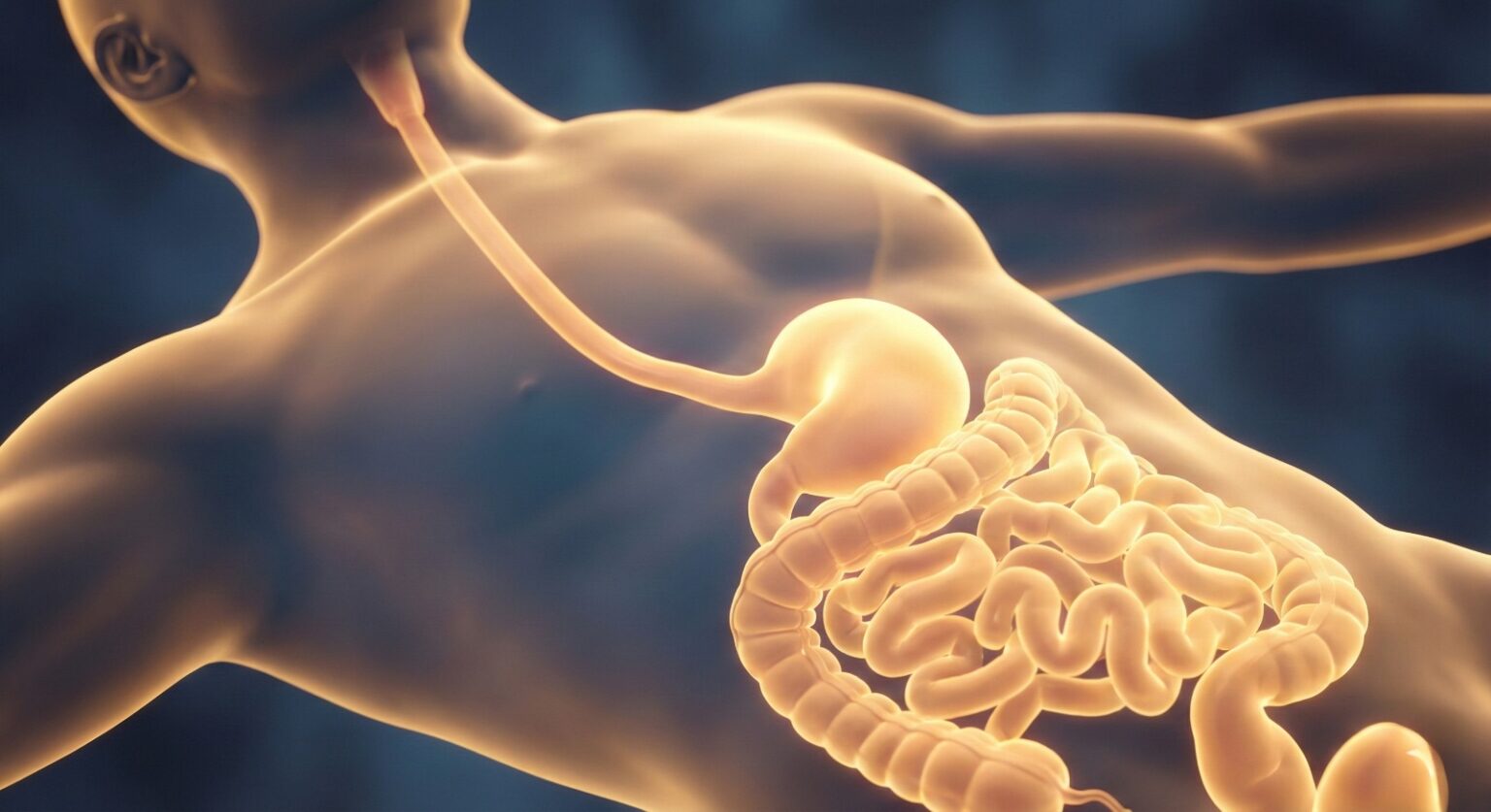
2. Warm Water: How It Supports Digestion

warm water supporting healthy digestion system

Warm water gently activates the digestive system.

Benefits of warm water for gut health:
→ Stimulates digestive enzymes
→ Improves blood flow to the stomach
→ Helps food break down faster
→ Reduces bloating and heaviness
→ Supports regular bowel movement

Warm water helps the stomach relax instead of contract.
That relaxation improves digestion naturally.


3. Warm Water in the Morning: Why It Works

Drinking warm water after waking:
→ Activates the digestive tract
→ Helps flush waste from the system
→ Supports natural morning bowel movement

During sleep, digestion slows down.
Warm water gently “wakes up” the gut.

That is why many people feel lighter and clearer
after starting their day with warm water.

4. Warm Water With Meals: Yes or No?

Small sips of warm water during meals:
→ Support digestion
→ Help food move smoothly
→ Prevent dryness in the gut

But too much water, even warm, can dilute digestive enzymes.

Best practice:
→ Small sips during meals
→ Larger amount 30–45 minutes after eating

Balance matters more than quantity.


5. Cold Water: What Happens Inside the Gut

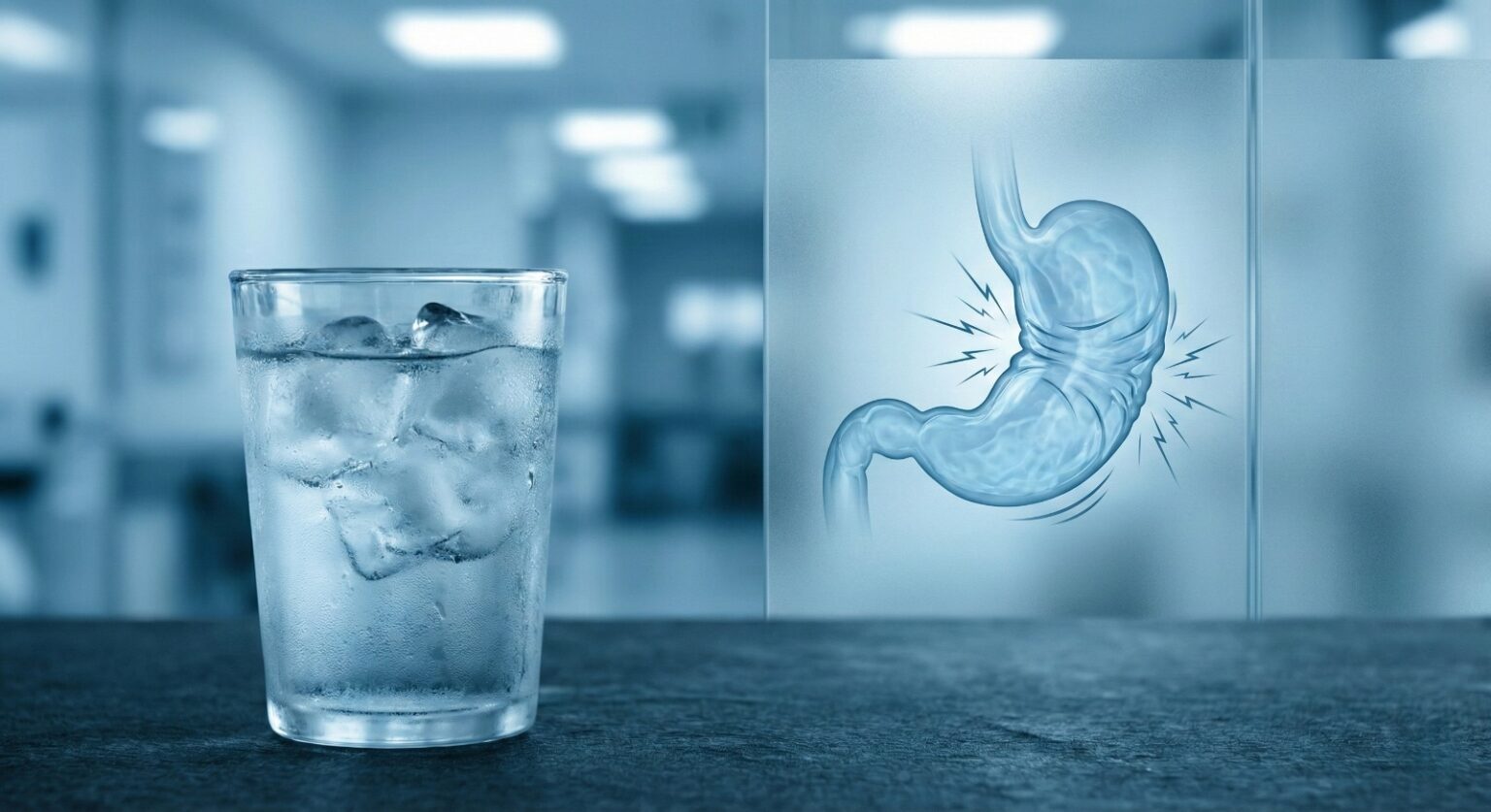
cold water impact on digestive system

Cold water shocks the digestive system.

When cold water enters the stomach:
→ Blood vessels constrict
→ Enzyme activity slows
→ Digestion becomes sluggish

This often leads to:
→ Bloating
→ Gas
→ Heaviness
→ Delayed digestion

Cold water does not permanently damage digestion,
but frequent use makes digestion inefficient.


6. Cold Water After Meals: A Common Digestion Mistake

Many people drink cold water right after meals.

This causes:
→ Solidification of fats
→ Slower food breakdown
→ Increased fermentation in the gut

That is why people often feel:
→ Bloated
→ Gassy
→ Uncomfortable after eating

Cold water after meals is one of the most ignored gut health mistakes.

7. When Cold Water Is Less Harmful

Cold water is not always bad.

It may be okay:
→ During intense physical activity
→ In extreme heat
→ In small amounts

But for people with:
→ Weak digestion
→ Acidity
→ Bloating
→ Constipation

Regular cold water use usually worsens symptoms.


8. Lukewarm Water: The Best Middle Ground

Lukewarm water offers balance.

It:
→ Does not shock digestion
→ Still supports enzyme activity
→ Feels easy and natural to drink

For most people, lukewarm water is the safest daily choice.

After age 30, this habit becomes even more important.


9. Warm Water and Constipation

Warm water helps:
→ Soften stool
→ Improve gut movement
→ Reduce straining

Cold water can tighten gut muscles,
making constipation worse for some people.

That is why warm water is commonly recommended
for slow or weak digestion.

10. Warm Water and Acidity

Warm water:
→ Gently dilutes excess stomach acid
→ Improves stomach emptying

Cold water may give temporary relief,
but often worsens acidity later by slowing digestion.

Real relief comes from balance, not suppression.


11. Best Way to Use Water for Gut Health

woman drinking warm water for gut health

Simple daily guidelines:
→ Warm or lukewarm water on waking
→ Lukewarm water during the day
→ Avoid cold water right after meals
→ Small sips instead of large gulps

Water should support digestion,
not interrupt it.


Conclusion :

Choose Comfort Over Habit

Warm water vs cold water is not about strict rules.
It is about how your gut feels.

For most people:
→ Warm or lukewarm water supports digestion
→ Cold water slows it

At LookAmaze, we believe:
Gut health improves through small, consistent habits.

When digestion feels light,
energy, mood, and clarity follow naturally.

related article :

Warm Water vs Cold Water: What’s Better for Gut Health?

Most people focus on what they eat. Very few people think about how they drink water. But water temperature directly affects: → Digestion → Bloating → Acidity...

Best Foods for Digestion After Age 30

After 30, Digestion Needs Care — Not Experiment In your 20s, digestion tolerates mistakes. Late-night eating, junk food, irregular meals — body somehow adjusts...

Signs Your Digestion Is Weak (And How to Fix It Daily)

Digestive strength matters more than diet trends. At LookAmaze, we focus on daily digestive habits, not extreme detoxes or quick fixes...

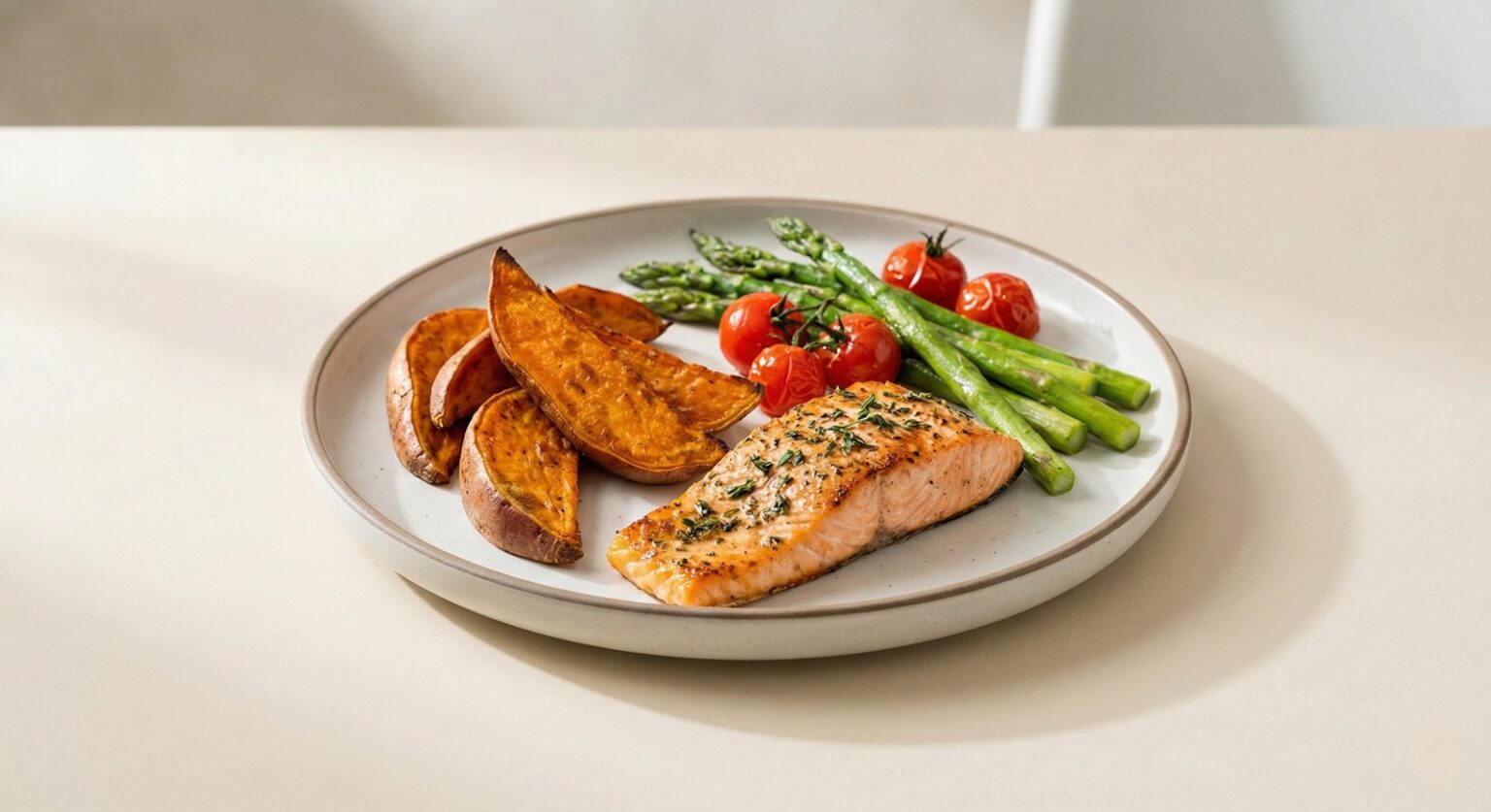
Best Foods for Digestion After Age 30

warm cooked meal promoting easy digestion

After 30, Digestion Needs Care — Not Experiment

In your 20s, digestion tolerates mistakes.
Late-night eating, junk food, irregular meals — body somehow adjusts.

After 30, things slowly change.

People start noticing:
→ Bloating after normal meals
→ Slower digestion
→ Acidity or gas
→ Heaviness after eating
→ Energy dipping faster

This does not mean your body is “failing”.
It means your digestion now needs support, not stress.

After 30, food should not just fill the stomach —
it should help digestion work smoothly.

At LookAmaze, we focus on foods that:
→ Are easy to digest
→ Nourish the gut
→ Support long-term energy
→ Do not overload the system

Why Digestion Changes After Age 30

After 30, the body naturally experiences:
→ Slightly slower metabolism
→ Reduced digestive enzyme efficiency
→ Increased stress impact on the gut
→ More sensitivity to food combinations

That is why foods that felt “normal” earlier
may suddenly feel heavy or uncomfortable.

The solution is not eating less.
The solution is eating smarter.

Warm, Cooked Foods Become Your Gut’s Best Friend

warm cooked meal promoting easy digestion

Raw, cold, and processed foods are harder to digest after 30.

Your digestive system works best with:
→ Warm temperature
→ Soft texture
→ Simple ingredients

Best choices include:
→ Cooked vegetables
→ Steamed or lightly sautéed meals
→ Freshly prepared food

Warm food:
→ Activates digestive enzymes
→ Improves gut movement
→ Reduces bloating and gas

Cold food slows digestion.
Warm food supports it.

Fermented Foods for Gut Balance

fermented foods improving gut digestion health

After 30, gut bacteria balance becomes extremely important.

Fermented foods help by:
→ Improving digestion
→ Supporting nutrient absorption
→ Reducing gas and bloating

Good options include:
→ Yogurt (plain, unsweetened)
→ Buttermilk
→ Fermented vegetables
→ Natural curd-based foods

These foods gently strengthen digestion
without forcing the gut to work harder.

A healthy gut bacteria balance
means lighter digestion and better energy.


Protein That Digests Easily

balanced protein meal supporting digestive health

Protein is important — but heavy protein stresses digestion.

After 30, focus on:
→ Moderate portions
→ Easy-to-digest sources

Better protein choices:
→ Lentils and dals (well-cooked)
→ Eggs (not over-fried)
→ Soft paneer or tofu
→ Lightly cooked fish or lean meats

Avoid:
→ Overeating protein
→ Combining heavy protein with heavy carbs in one meal

Balanced protein supports strength
without slowing digestion.

Healthy Fats That Support, Not Block, Digestion

healthy fats foods aiding smooth digestion

Fat is necessary, but quality matters.

Good fats help digestion by:
→ Supporting gut lining
→ Improving nutrient absorption
→ Keeping bowel movements smooth

Better fat sources:
→ Ghee (in small quantity)
→ Olive oil
→ Nuts and seeds (soaked if possible)

Avoid excess:
→ Fried foods
→ Heavy oils
→ Reheated fats

Fat should lubricate digestion —
not slow it down.

Fiber From Natural Foods, Not Extreme Sources

fiber rich foods supporting healthy digestion

Fiber keeps digestion moving,
but too much fiber can backfire.

Best fiber sources after 30:
→ Vegetables
→ Fruits
→ Whole grains
→ Seeds in small amounts

Fiber helps:
→ Prevent constipation
Improve bowel regularity
→ Support gut health

But balance is key.
Extreme fiber without water causes bloating.

Hydrating Foods Matter More Than You Think

light balanced meal improving digestion comfort

Digestion depends heavily on hydration.

After 30:
→ Dehydration affects digestion faster
→ Constipation becomes common

Hydrating food options:
→ Fruits with high water content
→ Soups
→ Stews
→ Cooked vegetables

Water supports digestion best
when combined with food, not forced separately.

Simple Meals Digest Better Than Fancy Ones

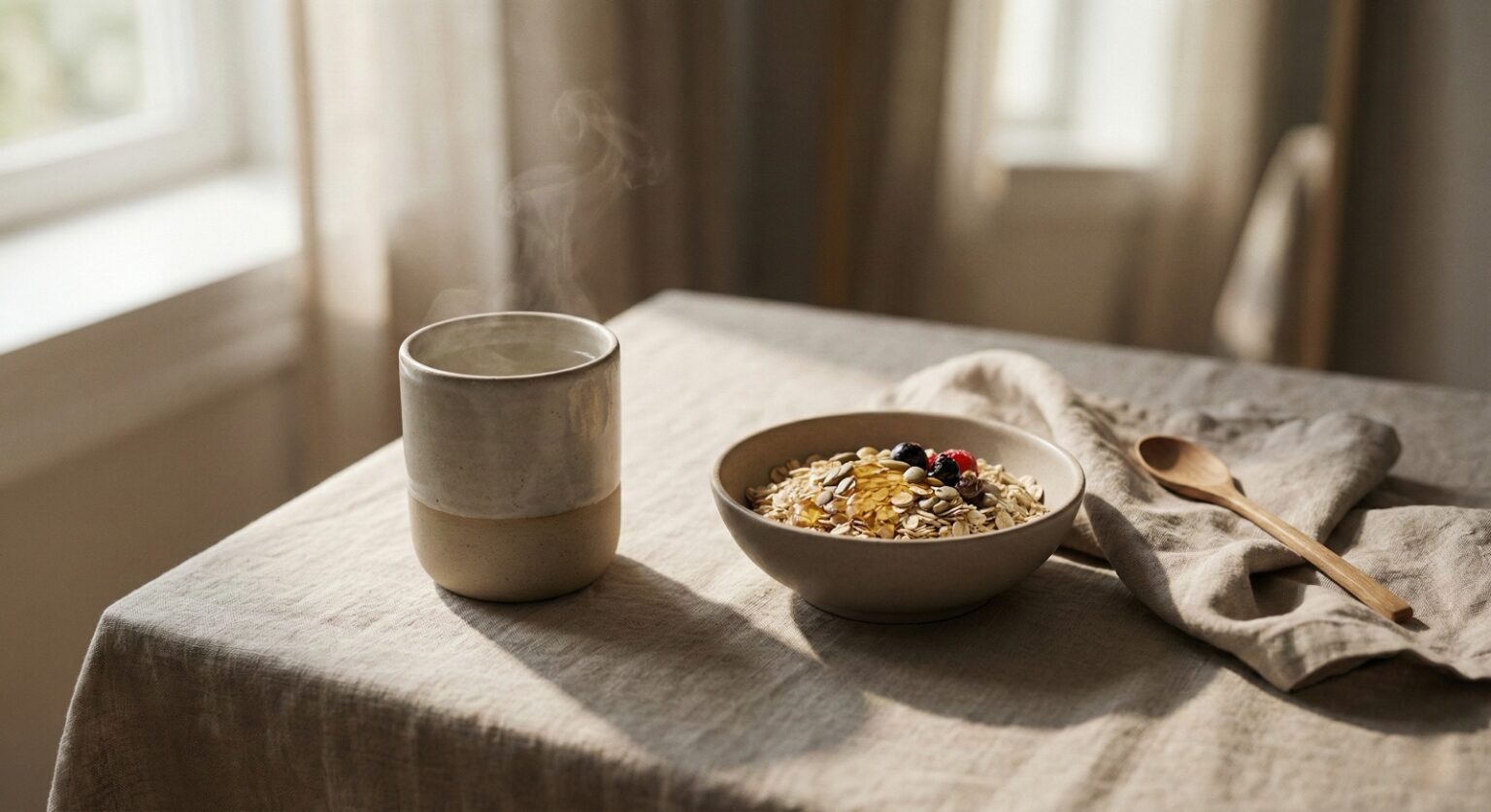
simple breakfast foods gentle on digestion

Complex meals with:
→ Too many ingredients
→ Multiple cooking styles
→ Heavy sauces

Create confusion for digestion.

After 30, simple meals work best:
→ Fewer ingredients
→ Familiar foods
→ Consistent timing

Your gut loves predictability.

Foods That Calm the Gut, Not Excite It

mindful eating habit supporting better digestion

Stress and digestion are connected.

Foods that calm digestion:
→ Warm meals
→ Light spices
→ Simple seasoning

Avoid frequent:
→ Very spicy food
→ Extremely oily meals
→ Highly processed snacks

Calm digestion means calm energy levels.

How to Eat These Foods for Best Results

Even good food can cause trouble if eaten wrongly.

Best habits:
→ Eat slowly
→ Chew properly
→ Avoid overeating
→ Eat at regular times
→ Avoid screens while eating

Food quality + eating habits
work together.

Conclusion :

After 30, Digestion Is About Respecting the Body

After 30, the body gives signals.
Ignoring them leads to discomfort.
Listening to them creates strength.

Good digestion after 30 comes from:
→ Warm food
→ Simple meals
Balanced nutrition
→ Consistent habits

At LookAmaze, we believe:
You don’t need strict diets.
You need digestive awareness.

When digestion feels light,
energy, mood, and health naturally improve.

related article :

Warm Water vs Cold Water: What’s Better for Gut Health?

Most people focus on what they eat. Very few people think about how they drink water. But water temperature directly affects: → Digestion → Bloating → Acidity...

Best Foods for Digestion After Age 30

After 30, Digestion Needs Care — Not Experiment In your 20s, digestion tolerates mistakes. Late-night eating, junk food, irregular meals — body somehow adjusts...

Signs Your Digestion Is Weak (And How to Fix It Daily)

Digestive strength matters more than diet trends. At LookAmaze, we focus on daily digestive habits, not extreme detoxes or quick fixes...