
𝐋𝐨𝐨𝐤𝐀𝐦𝐚𝐳𝐞

Are “Healthy Snacks” Actually Healthy? Truth Explained

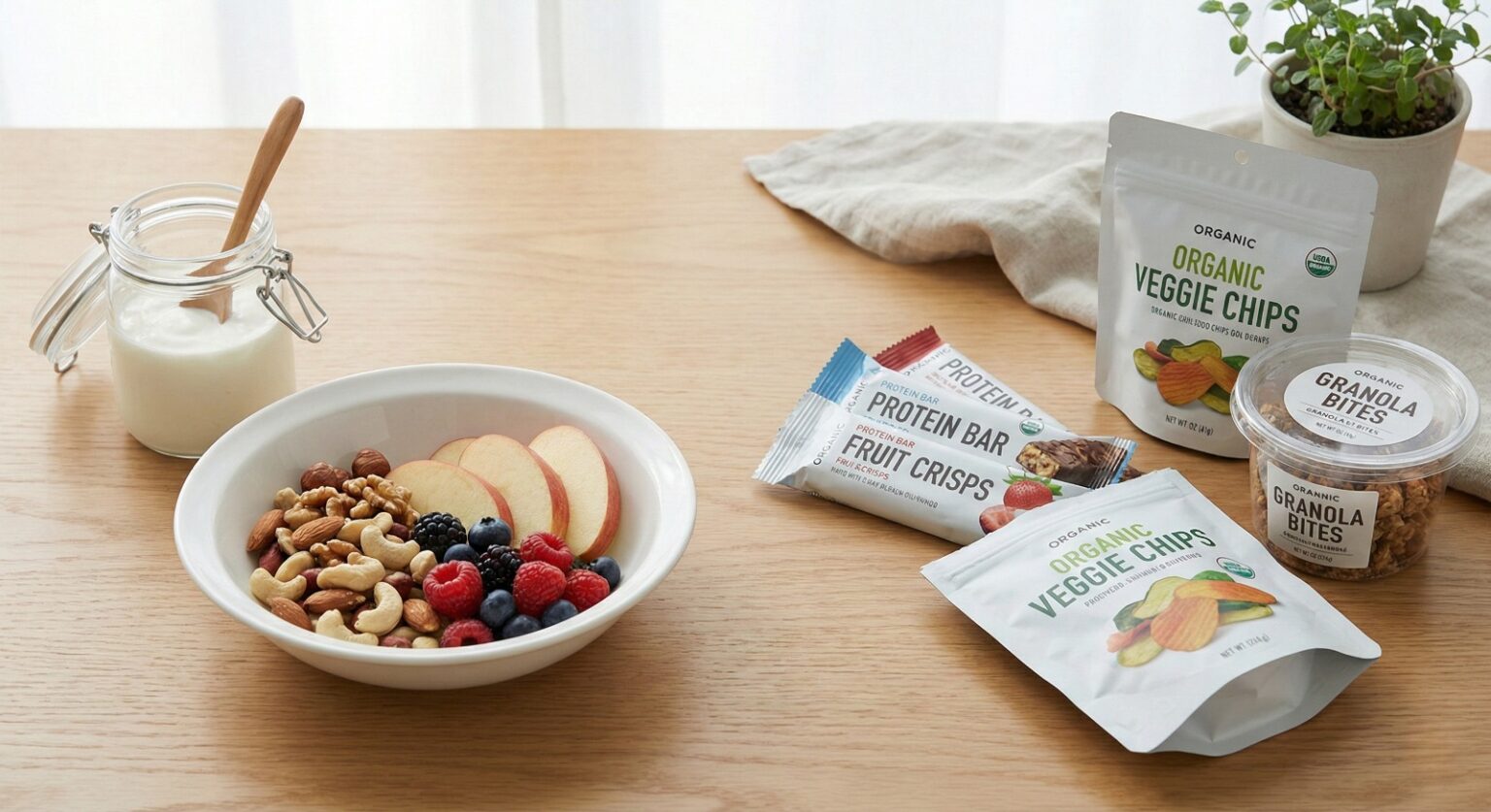
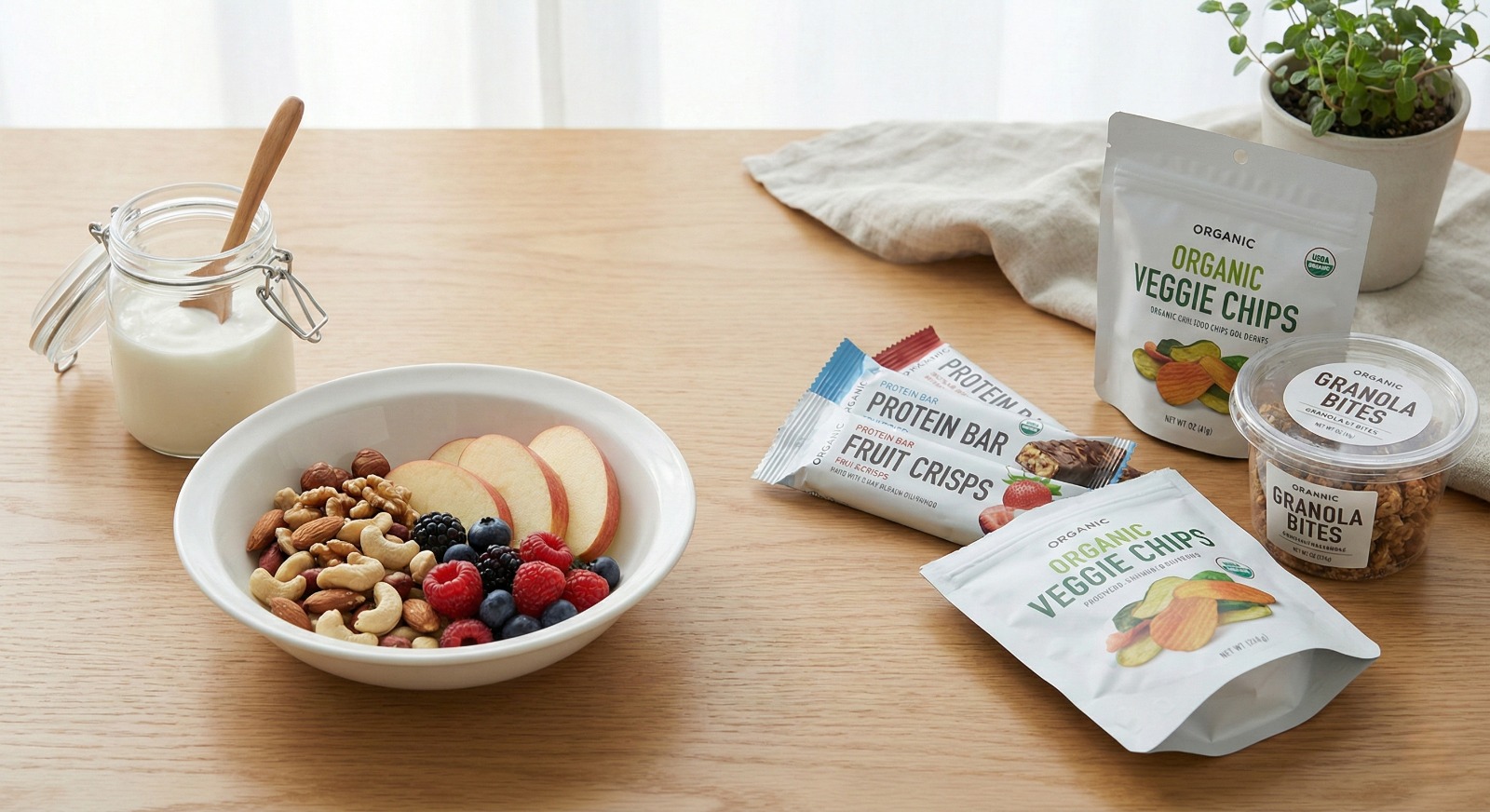
healthy snack options with nuts and fruit

“Healthy” Does Not Always Mean Good for You

Today, every packet says:
→ Healthy
→ High protein
→ Low fat
→ Natural
→ Guilt-free

But many people still feel:
→ Bloated
→ Hungry again soon
→ Low energy
→ Digestive discomfort

So the question is important:
Are healthy snacks actually healthy — or just smartly marketed?

At LookAmaze, we don’t follow labels.
We follow how food behaves inside the body.

1. Why “Healthy Snacks” Became So Popular

Busy lifestyles changed eating habits.

People want snacks that are:
→ Quick
→ Portable
→ Marketed as healthy

Food companies noticed this gap and created:
→ Protein bars
→ Energy balls
→ Baked chips
→ Granola bars
→ Sugar-free snacks

The problem is not snacking.
The problem is blind trust in packaging.

2. The Biggest Trap: Health Claims on the Packet

Words that sound healthy:
→ “Low fat”
→ “High protein”
→ “No added sugar”
→ “Made with grains”
→ “Natural ingredients”

But these often hide:
→ Refined carbs
→ Added sweeteners
→ Preservatives
→ Artificial flavors

A snack can be “low fat” and still:
Spike blood sugar
→ Increase cravings
→ Stress digestion

Marketing focuses on one good thing
and hides five bad ones.

3. Protein Bars and Energy Bars: Not Always Your Friend

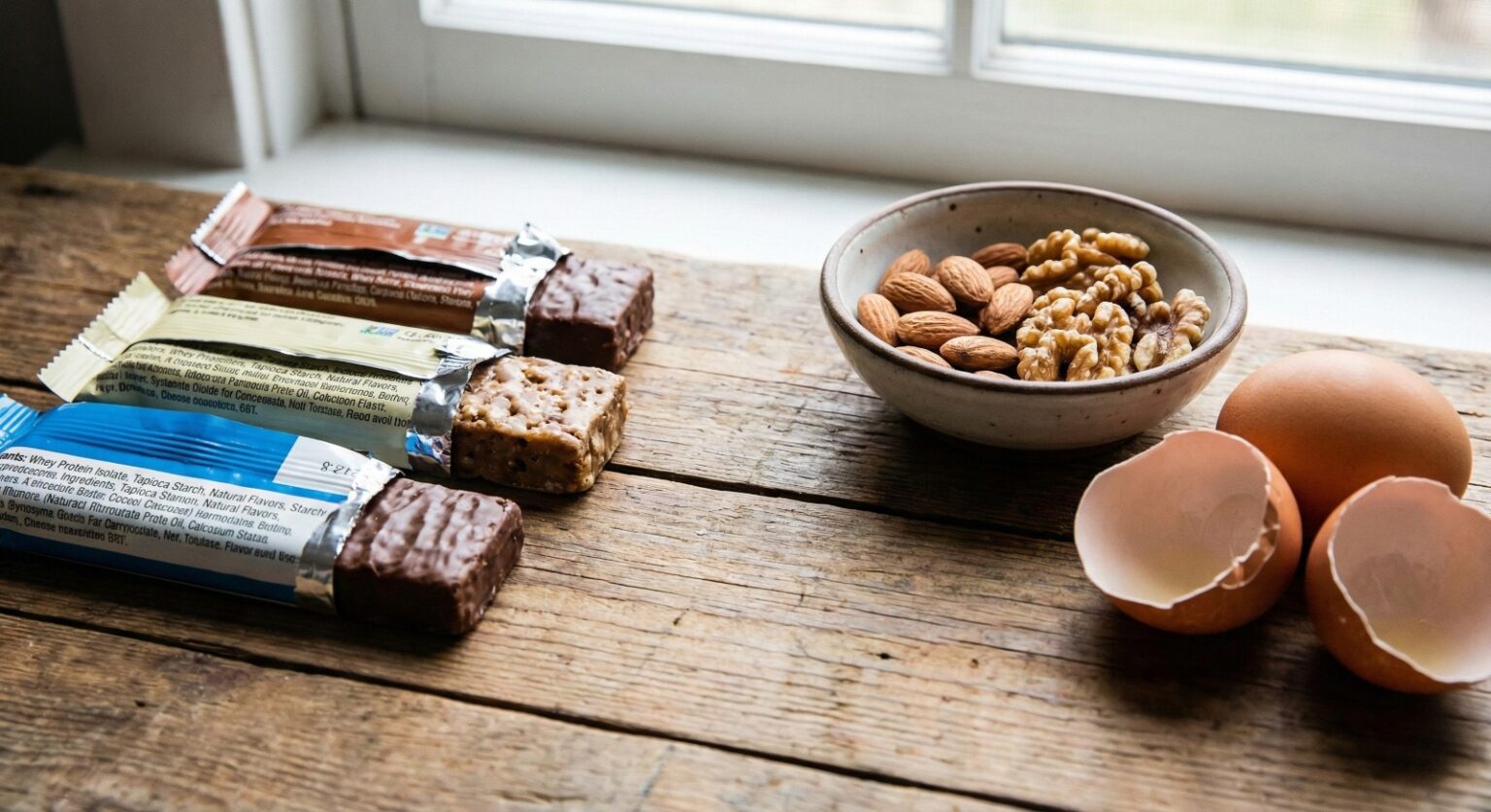
protein bars and nuts as snack choices

Protein bars look perfect on paper.

But many contain:
→ Added sugars or syrups
→ Highly processed protein
→ Artificial fibers
→ Chemical sweeteners

For some people, they cause:
→ Bloating
→ Gas
→ Constipation
→ Hunger soon after

Protein helps only when:
→ Source is clean
→ Portion is right
→ Digestion can handle it

A bar is not automatically better than real food.

4. “Baked” and “Roasted” Snacks: Better, But Not Ideal

Baked chips and roasted snacks sound safer than fried ones.

They are:
→ Lower in oil
→ Less heavy than fried food

But still:
→ Highly processed
→ Easy to overeat
→ Low in real nutrition

Eating them daily turns snacks into:
→ Habit eating
→ Mindless eating
Hidden calorie intake

Occasional use is fine.
Daily dependence is not.

5. The Sugar Problem Hidden in Healthy Snacks

Many “healthy” snacks use:
→ Honey
→ Jaggery
→ Dates
→ Fruit concentrates

These are still sugar.

Too much causes:
→ Blood sugar spikes
→ Energy crashes
→ More cravings
→ Fat storage

Natural sugar is better than refined sugar —
but quantity still matters.

Healthy snacks should satisfy,
not trigger another hunger wave.


6. Portion Size: The Silent Problem

Most snacks look small.
But people eat:
→ Two bars instead of one
→ One full packet instead of a handful

Packaged snacks are designed to:
→ Be easy to overeat
→ Feel “light”
→ Avoid fullness

Real snacks should:
→ Calm hunger
→ Not excite it

If a snack makes you want more,
it failed its job.


7. What Actually Makes a Snack Healthy

whole food snacks supporting healthier eating habits

A genuinely healthy snack:
→ Digests easily
→ Keeps you full
→ Does not spike sugar
→ Feels light but satisfying

Better snack examples:
→ Fruit + nuts
→ Yogurt
→ Roasted chana
→ Boiled eggs
→ Home-made snacks

Real food beats packaged food
almost every time.


8. How to Snack Smart Without Overthinking

Simple rules that work:
Snack only when actually hungry
→ Choose food over packets
→ Keep portions small
→ Avoid snacking out of boredom

Snacking should support meals,
not replace them.

Conclusion :

Don’t Trust the Label — Trust How Your Body Feels

Healthy snacks are not evil.
But many are not as healthy as they claim.

True health comes from:
→ Awareness
→ Simple choices
→ Listening to digestion

At LookAmaze, we believe:
You don’t need perfect snacks.
You need honest food decisions.

Eat smart.
Snack mindfully.
Stay consistent.

related article :

Are “Healthy Snacks” Actually Healthy? Truth Explained

“Healthy” Does Not Always Mean Good for You Today, every packet says: → Healthy → High protein → Low fat → Natural → Guilt-free...

Fix Slow Digestion After 30 With These 8 Habits

With age, digestion doesn’t suddenly fail — it slows down quietly, and most people don’t notice until discomfort starts. Common complaints after 30–35: → Food feels heavy → Bloating after normal...
How to Eat Healthy Without Giving Up Your Favorite Foods

Most people think eating healthy means: → Saying goodbye to favorite foods → Constant restriction → Guilt after every “unhealthy” bite That mindset never lasts...

Fix Slow Digestion After 30 With These 8 Habits

mindful eating habit supporting digestion with age

It’s Not Aging — It’s How Digestion Changes

Many people think digestion problems are just “part of aging.”

But that’s not the full truth.

With age, digestion doesn’t suddenly fail —
it slows down quietly, and most people don’t notice until discomfort starts.

Common complaints after 30–35:
→ Food feels heavy
→ Bloating after normal meals
→ Gas or acidity
→ Constipation
→ Energy drops after eating

This doesn’t mean your body is weak.
It means your digestion now needs support, not pressure.

At LookAmaze, we focus on how eating habits can fix digestion naturally, without extreme diets.

1. Digestive Enzymes Reduce With Age

warm balanced meal aiding digestion as we age

As we age, the body produces fewer digestive enzymes.

These enzymes are responsible for:
→ Breaking down food
→ Absorbing nutrients
→ Preventing fermentation in the gut

When enzymes reduce:
→ Food stays longer in the stomach
→ Gas and bloating increase
→ Nutrient absorption drops

How eating can fix this:
Eat slowly and chew thoroughly
→ Prefer warm, cooked meals
→ Avoid overeating in one sitting
→ Include fermented foods like yogurt or buttermilk

Digestion starts in the mouth, not the stomach.

2. Metabolism Slows, But Appetite Often Doesn’t

woman eating calmly to support aging digestion

After 30, metabolism slows naturally.

But many people continue eating:
→ Same portions
→ Same frequency
→ Same heavy foods

This mismatch causes:
→ Weight gain
→ Heaviness
→ Sluggish digestion

Smart eating adjustment:
→ Slightly reduce portion size
→ Eat until satisfied, not stuffed
→ Focus on food quality, not quantity

Eating less is not the goal.
Eating smarter is.


3. Gut Movement Becomes Slower

Gut muscles also age.

Slower gut movement leads to:
→ Constipation
→ Incomplete bowel movement
→ Bloating

Eating habits that help gut movement:
→ Warm water after waking
Fiber from vegetables and fruits
→ Enough hydration
→ Regular meal timing

Your gut loves rhythm.
Irregular eating confuses it.

4. Stress Affects Digestion More With Age

The older we get, the more stress impacts digestion.

Stress reduces:
→ Blood flow to the stomach
→ Digestive enzyme release
→ Gut relaxation

Result:
→ Acidity
→ Gas
→ Appetite problems

Eating for stress-sensitive digestion:
→ Avoid eating while anxious
→ Sit down calmly for meals
→ Avoid screens during eating
→ Take 2–3 deep breaths before meals

Calm eating improves digestion more than supplements.


5. Heavy and Processed Foods Hit Harder

With age, the gut becomes less tolerant of:
→ Deep-fried food
→ Ultra-processed snacks
→ Excess sugar
→ Reheated oils

These foods:
→ Slow digestion
→ Cause inflammation
→ Increase acidity

Better eating choices:
→ Home-cooked meals
→ Fresh ingredients
→ Simple cooking methods
→ Light spices

Simple food digests better than fancy food.


6. Late-Night Eating Becomes a Bigger Problem

late night eating habit affecting digestion health

Digestion slows naturally at night.

Late-night eating causes:
→ Acid reflux
→ Poor sleep
→ Incomplete digestion

Eating fix:
→ Finish dinner 2–3 hours before sleep
→ Keep dinner light
→ Avoid heavy carbs and fried food at night

Good sleep starts with good digestion.

7. Protein Needs Change With Age

Protein remains important, but digestion tolerance changes.

Heavy protein overload causes:
→ Gas
→ Heaviness
→ Slow digestion

Eat protein smartly:
→ Moderate portions
→ Well-cooked dals
→ Eggs, tofu, paneer
→ Avoid combining heavy protein with heavy carbs

Balanced protein supports strength without stressing digestion.


8. Consistency Matters More Than Perfection

After age 30, digestion improves with:
→ Routine
→ Predictable meals
→ Familiar foods

Constant experiments confuse the gut.

Simple rule:
Eat what suits you consistently, not what trends suggest.

How Eating Can Fix Digestion as You Age (Quick Summary)

Focus on:
→ Warm, cooked meals
→ Smaller, balanced portions
→ Regular meal timing
→ Calm eating environment
→ Light dinners
→ Daily movement

No extreme diets needed.


Conclusion :

simple nourishing meal promoting healthy digestion

Aging Is Natural — Digestive Struggle Is Optional

Digestion slowing with age is normal.
Suffering because of it is not.

When you:
→ Respect digestion
Adjust eating habits
→ Reduce stress

Your gut responds positively.

At LookAmaze, we believe:
You don’t need strict rules.
You need digestive awareness.

When digestion works smoothly,
energy, mood, and health follow naturally.

related article :

Are “Healthy Snacks” Actually Healthy? Truth Explained

“Healthy” Does Not Always Mean Good for You Today, every packet says: → Healthy → High protein → Low fat → Natural → Guilt-free...

Fix Slow Digestion After 30 With These 8 Habits

With age, digestion doesn’t suddenly fail — it slows down quietly, and most people don’t notice until discomfort starts. Common complaints after 30–35: → Food feels heavy → Bloating after normal...

How to Eat Healthy Without Giving Up Your Favorite Foods

Most people think eating healthy means: → Saying goodbye to favorite foods → Constant restriction → Guilt after every “unhealthy” bite That mindset never lasts...

How to Eat Healthy Without Giving Up Your Favorite Foods

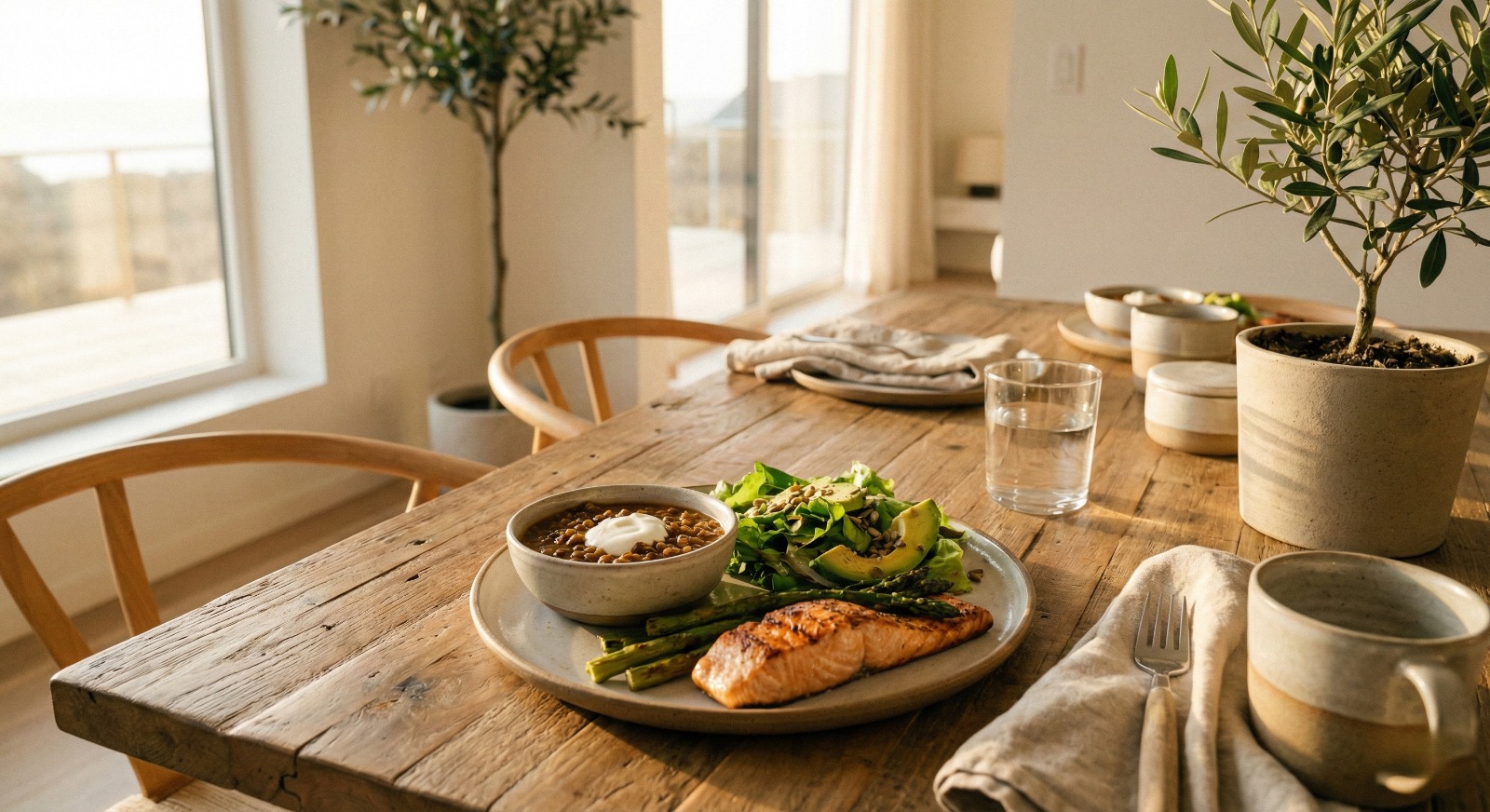
balanced healthy meal supporting sustainable eating habits

Healthy Eating Is Not Punishment

Most people think eating healthy means:
→ Saying goodbye to favorite foods
→ Constant restriction
→ Guilt after every “unhealthy” bite

That mindset never lasts.

Real health is not built by force.
It is built by balance, awareness, and consistency.

You don’t need to quit your favorite foods.
You need to learn how to eat them wisely.

At LookAmaze, we believe healthy eating should fit into real life — not fight against it.

1. Why Extreme Dieting Always Fails

The moment food becomes an enemy, health starts breaking.

Extreme diets often cause:
→ Cravings
→ Emotional eating
→ Loss of control
→ Guilt cycles
→ Giving up completely

The body does not understand punishment.
It understands patterns.

Healthy eating works when it feels:
→ Sustainable
→ Enjoyable
→ Stress-free

The goal is not perfect eating.
The goal is repeatable habits.


2. The 80–20 Rule That Actually Works

woman enjoying balanced meal with mindful eating

You don’t need to eat “clean” all the time.

A simple approach:
→ 80% nourishing, balanced meals
→ 20% favorite foods you genuinely enjoy

This means:
→ Most meals support digestion and energy
→ Some meals support happiness and satisfaction

Food is not just nutrition.
It is also culture, comfort, and connection.

When guilt disappears, overeating disappears too.

3. Portion Control Matters More Than Food Elimination

You don’t get unhealthy because of one food.
You get unhealthy because of quantity and frequency.

Instead of cutting foods, adjust:
→ Portion size
→ Eating speed
→ How often you eat them

For example:
→ Pizza once a week is fine
→ Pizza every night is not

Eating your favorite food slowly and mindfully
is healthier than binge-eating “healthy” food.

4. Timing Can Make “Unhealthy” Foods Healthier

balanced plate combining favorite foods with nutrition

When you eat matters almost as much as what you eat.

Helpful timing habits:
→ Eat heavier foods earlier in the day
→ Keep dinners lighter
→ Avoid heavy junk food late at night

The same food feels different:
→ At lunch — manageable
→ Late night — heavy and uncomfortable

Smart timing reduces guilt and digestion issues.


5. Balance Your Favorite Foods With Smart Pairing

You don’t have to remove foods — just balance them.

Examples:
→ Eating carbs? Add protein
→ Eating something oily? Add fiber
→ Eating sweets? Keep portion small and slow

This helps:
→ Stable blood sugar
→ Better digestion
→ Longer fullness
→ Fewer cravings later

Balance is not restriction.
It is intelligence.


6. Emotional Eating Needs Understanding, Not Control

healthy home cooked meal supporting mindful eating

Sometimes food is not about hunger.

It is about:
→ Stress
→ Boredom
→ Comfort
→ Habit

Forcing discipline during emotional eating never works.

Instead:
→ Pause before eating
→ Ask, “What do I really need right now?”
→ Eat consciously, not secretly

Awareness heals faster than control.


7. Simple Daily Rules That Make Everything Easier

You don’t need complex plans.

Just remember:
→ Eat slowly
→ Stop eating before feeling heavy
→ Enjoy food without guilt
→ Return to balance at the next meal

One meal never defines health.
Daily patterns do.

Conclusion :

calm mindful eating habit supporting healthy lifestyle

You Don’t Need to Quit Food — You Need a Better Relationship With It

Healthy eating is not about perfection.
It is about peace with food.

When you:
→ Remove guilt
→ Add balance
→ Respect your body

Health becomes natural.

At LookAmaze, we believe you don’t need strict diets.
You need sustainable awareness.

Eat well.
Enjoy food.
Repeat daily.

related article :

Are “Healthy Snacks” Actually Healthy? Truth Explained

“Healthy” Does Not Always Mean Good for You Today, every packet says: → Healthy → High protein → Low fat → Natural → Guilt-free...

Fix Slow Digestion After 30 With These 8 Habits

With age, digestion doesn’t suddenly fail — it slows down quietly, and most people don’t notice until discomfort starts. Common complaints after 30–35: → Food feels heavy → Bloating after normal...

How to Eat Healthy Without Giving Up Your Favorite Foods

Most people think eating healthy means: → Saying goodbye to favorite foods → Constant restriction → Guilt after every “unhealthy” bite That mindset never lasts...