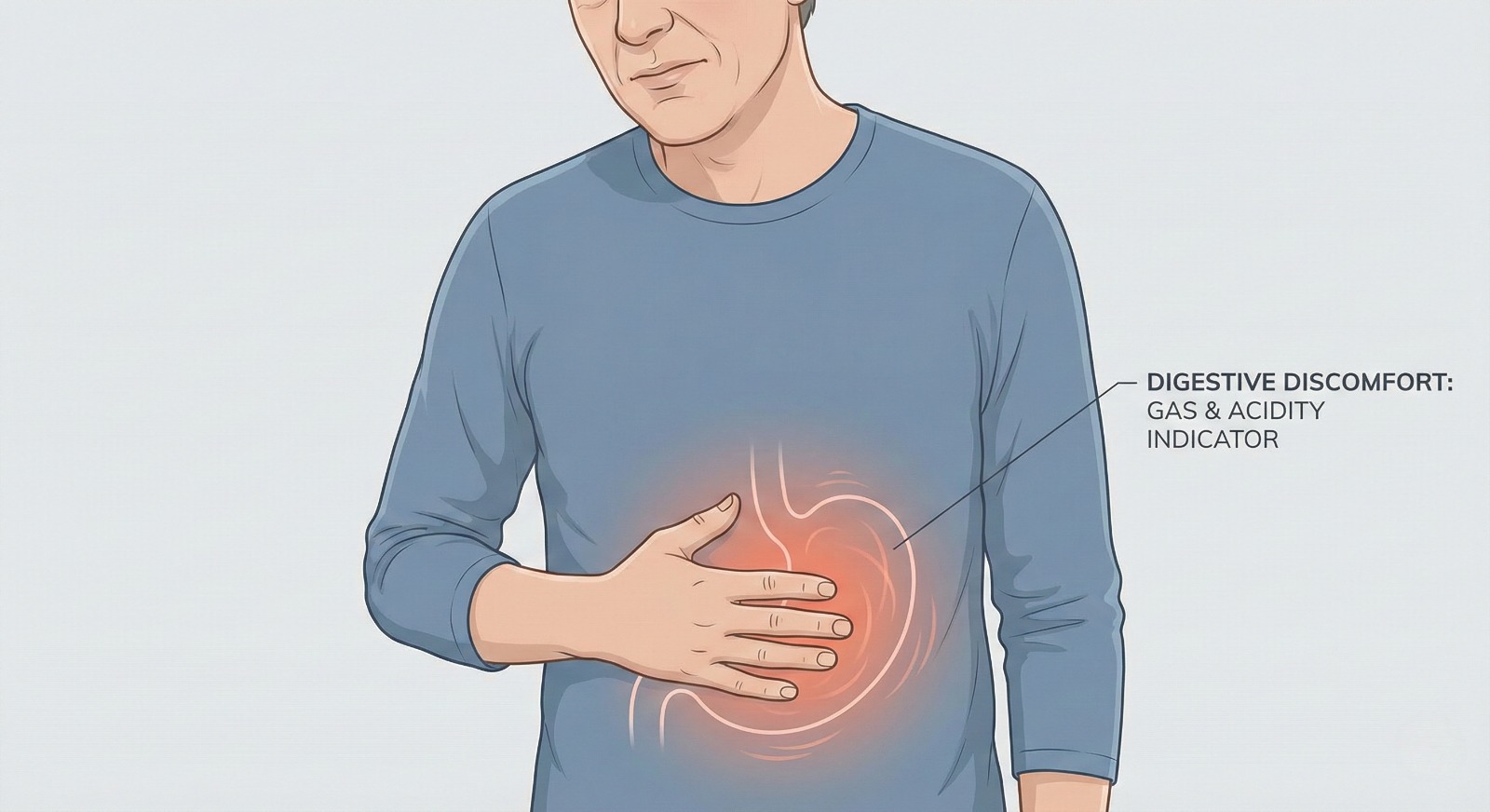


A scratchy throat, a queasy stomach, a sore muscle. Most people try something simple at home first, and often that’s perfectly sensible. But somewhere along the way, “try something gentle first” turned into “medicine is bad” — and that’s a dangerous turn.
The truth is simpler: self-care and medicine are not enemies. Some home remedies genuinely help minor symptoms. And some symptoms need medicine or a doctor — no amount of tea or rest changes that. This article covers which simple measures have real evidence, which are just tradition, and how to know when home care stops being sensible.
What Home Remedies Can — and Can't — Do
Before we get to specific remedies, one distinction matters: soothing a symptom is not the same as treating its cause, and neither is the same as preventing something worse.
A salt-water gargle can make a sore throat feel better. It doesn’t kill the virus behind it. Heat can ease a stiff muscle. It doesn’t heal the injury. Drinking water helps when dehydration is the problem. It doesn’t cure every headache.
That’s not a reason to skip remedies — they’re genuinely useful for comfort. It’s a reason to keep expectations honest.
One more thing: “minor symptoms” here means mild, short-lived, not getting worse, and without worrying warning signs. If a symptom is severe, keeps getting worse, or lasts longer than you’d expect, that’s no longer a home-remedy situation. What’s reasonable also depends on who you are — age, pregnancy, chronic conditions and current medicines can all change the picture. When in doubt, ask.
Sore Throat and Cold Discomfort
The most solid home remedy in this article is also one of the simplest. The NHS recommends gargling warm salty water for a sore throat: dissolve half a teaspoon of salt in a glass of warm water, gargle, and spit it out. Children should not try this, and the water should never be swallowed.
Warm salt water can soothe a sore throat. That’s the honest claim — it doesn’t “flush bacteria,” and it won’t stop you needing medicine later if that’s what your throat needs.
Other useful basics for cold discomfort: rest, fluids, and soft foods or cool drinks when swallowing hurts. Most sore throats are caused by viruses and improve within about a week. A pharmacist can advise on treatments for pain and discomfort; antibiotics are only used when a bacterial infection is suspected. If a sore throat hasn’t improved after about a week, keeps coming back, or the person is a young child, it’s worth a pharmacist’s or doctor’s advice.
Mild Nausea and Digestive Discomfort
Ginger is the remedy with the most genuine evidence here — but the evidence is narrower than the marketing. Ginger has been studied for particular types of nausea, such as nausea in pregnancy, according to the National Center for Complementary and Integrative Health (NCCIH). Studies of ginger for motion sickness have mostly not shown benefit, and results for nausea after surgery or chemotherapy are uncertain.
Two honest notes. First, most studies used ginger supplements or concentrated products — a cup of ginger tea is a pleasant drink, but it doesn’t automatically deliver the same effect. Second, ginger has evidence for some types of nausea, but that does not make it a general treatment for gas, indigestion or every upset stomach. If you’re pregnant and considering a ginger supplement, talk to a healthcare professional first. Ginger can also cause heartburn or an upset stomach in some people. If you take medicines, check with a healthcare professional before using ginger supplements, because herbal products can interact with medicines, per NCCIH.
As for the old advice about warm water “activating” digestion: we did not identify good evidence that warm water uniquely activates digestion, stimulates enzymes or treats gas and bloating compared with ordinary hydration. Drink water at whatever comfortable temperature helps you stay hydrated. There’s also no good evidence that cold water harms digestion.
Muscle Aches and Stiffness
Heat can help stiff or tight muscles. For a fresh injury with swelling, cold may be more appropriate early on, because it can reduce pain and swelling, per Cleveland Clinic. Neither is right for every type of pain — the right choice depends on the situation.
If you use heat: protect your skin, avoid excessive temperature or long exposure, and be especially careful if sensation in the area is reduced or numb — you may not feel excessive temperature normally and could burn yourself, per Cleveland Clinic. Heat can ease discomfort; it doesn’t “heal” an injury on its own.
Hydration and Rest
If dehydration is contributing to how you feel, replacing fluids matters. The NHS lists thirst, headache or light-headedness, dizziness, tiredness, dark urine and passing less urine among dehydration signs. But water does not treat every headache, dizzy spell or episode of fatigue — it treats dehydration.
Babies, children and older adults are more at risk of dehydration, and they need attention sooner.
Rest is similarly simple and similarly honest: it supports recovery, but it doesn’t replace treatment that’s genuinely needed.
"Natural" Does Not Always Mean Safe
It’s tempting to assume that anything “natural” is automatically safe. The U.S. Food and Drug Administration (FDA) is explicit that this assumption is wrong: the term “natural” does not ensure that a product is safe, per FDA 101: Dietary Supplements.
Two regulatory facts worth knowing, simply put. Dietary supplements can have strong effects in the body and can interact with medicines. And unlike medicines, dietary supplements generally do not go through FDA approval for safety and effectiveness before they are sold — they’re regulated, but on a different path than drugs.
That’s why the rule here is simple: a supplement is not a substitute for medicine your doctor prescribed. If you use supplements regularly and take medicines, check with a pharmacist or doctor.
When Self-Care Is Not Enough
Home remedies have their place — and their limit. Seek medical advice when symptoms are severe, keep getting worse, keep coming back, or aren’t improving as you’d expect.
Some signs need urgent or emergency care, not self-care:
- For a sore throat: Emergency — difficulty breathing or being unable to swallow, per the NHS.
- For dehydration: Urgent medical advice — persistent dizziness when standing, unusual drowsiness, or much less/dark urine. Emergency care — difficulty breathing, confusion, or being difficult to wake, per the NHS.
Contact your local emergency service for emergency signs. Seek urgent medical advice for the urgent signs. The exact services depend on where you live.
One reassurance: most minor symptoms are genuinely minor. The point of these limits isn’t to scare you — it’s to make sure simple remedies are used sensibly, and that anything more serious gets proper care.
The Bottom Line
Simple measures can make some minor symptoms more comfortable: warm salt water for a sore throat, ginger for some types of nausea, heat for stiff muscles, fluids when dehydrated and rest when you need it. Used appropriately, they can be useful — with realistic expectations.
They soothe. They don’t cure everything, and they don’t replace medical care when it’s needed. “Natural” doesn’t automatically mean safe, and medicine isn’t the enemy.
When symptoms are severe, worsening, recurrent or not improving as expected, get proper care. That’s not anti-remedy. It’s common sense.