

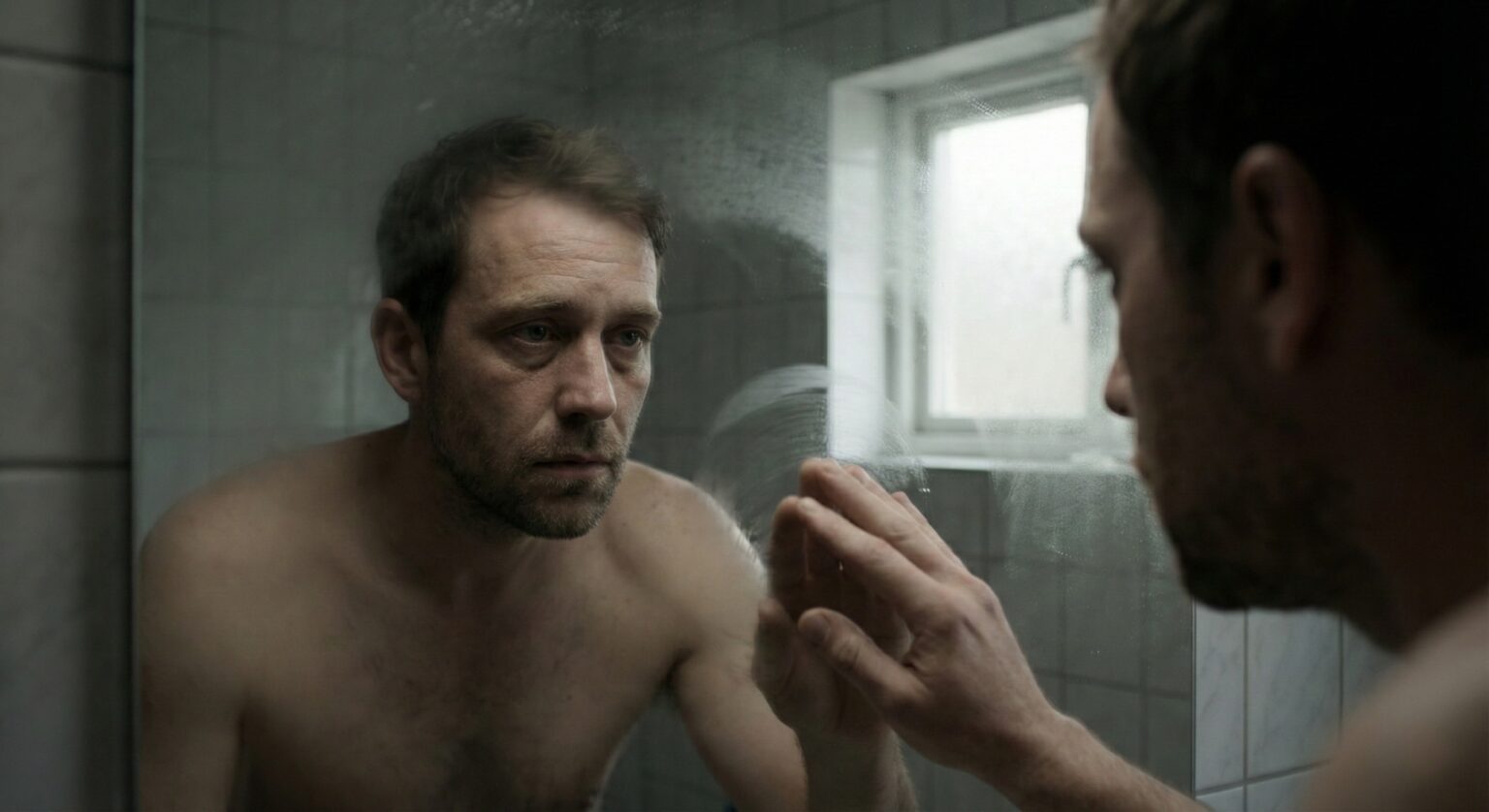






How to Heal What Life Hurt, Without Losing Yourself
Emotional Pain Doesnβt Disappear Just Because You Ignore It
Emotional pain is strange.
It doesnβt always scream β it waits.
You may continue living, working, talking, smiling.
But somewhere inside, something feels unresolved.
Emotional healing is not about forgetting what hurt you.
It is about learning how to carry it without bleeding every day.
At LookAmaze, we see emotional healing as a slow, honest process β not a shortcut.
1. What Emotional Healing Really Means
Emotional healing does not mean:
β pretending everything is fine
β forcing forgiveness
β becoming βemotionlessβ
Real emotional healing means:
β understanding what hurt you
β allowing yourself to feel it safely
β releasing the pain without denying the experience
Healing is not erasing the past.
It is making peace with it.
2. Why Emotional Wounds Stay Open for So Long
Many emotional wounds remain unhealed because:
β You were never allowed to express them
β You had to βstay strongβ for others
β Life moved on, but emotions didnβt
β You blamed yourself instead of the situation
Unprocessed emotions donβt disappear.
They show up later as stress, anger, numbness, or anxiety.
Β
3. Emotional Pain Shows Up in Daily Life Quietly
Unhealed emotions donβt always look dramatic.
They often appear as:
β sudden emotional triggers
β overreacting to small situations
β difficulty trusting people
β emotional distance or shutdown
β constant tiredness without reason
These are not personality flaws.
They are emotional signals.
4. Why Time Alone Does Not Heal Everything
People often say:
βTime heals everything.β
Time helps β but only when emotions are processed, not avoided.
If pain is ignored:
β time makes it quieter, not resolved
β emotions get buried, not healed
β patterns repeat in new situations
Healing requires awareness, not just time passing.
5. Emotional Healing Begins With Safety, Not Strength
Healing does not begin when you are strong.
It begins when you feel safe enough to be honest.
Safety can look like:
β writing without censoring yourself
β sitting with emotions without distraction
β being around someone who doesnβt rush your healing
β giving yourself permission to feel, not fix
You donβt need to be brave.
You need to be gentle.
6. Letting Go Is Not the Same as Forgetting
One of the biggest fears people have:
βIf I let go, does it mean what happened didnβt matter?β
No.
Letting go means:
β releasing emotional control over your present
β stopping the past from defining your reactions
β choosing peace without denying truth
You can remember without reopening the wound.
Β
7. Daily Practices That Support Emotional Healing
Emotional healing grows through small, repeatable actions:
β journaling feelings instead of suppressing them
β noticing emotional triggers without judging yourself
β setting emotional boundaries
β spending quiet time without digital noise
β allowing rest without guilt
This slow approach is what LookAmaze believes in β realistic healing, not instant transformation.
8. When Emotional Healing Needs Support From Others
Some emotional wounds are too heavy to carry alone.
Seek support if:
β pain feels stuck for months or years
β emotions feel overwhelming or numb
β relationships keep breaking in the same way
β past memories interfere with daily life
Asking for help is not dependence.
It is emotional maturity.
Β
Conclusion:
Healing Does Not Change Who You Are β It Frees You
Emotional healing does not turn you into someone else.
It returns you to:
β clarity
β emotional balance
β inner stability
β self-respect
You donβt heal to forget the past.
You heal so the past no longer controls your present.
That is real strength.