








How to Keep Your Gut Happy, Strong, and Problem-Free
Why Digestive Health Matters More Than You Think
Your digestive system is not just about digesting food.
It controls energy levels, immunity, mood, skin health, and even mental clarity.
If your digestion is weak, you may feel:
Constant bloating
Low energy
Frequent acidity
Constipation or loose motions
Brain fog and bad mood
Good news?
Most digestive problems can be fixed naturally with the right habits.
Let’s understand digestive health step by step — in a simple, practical way.
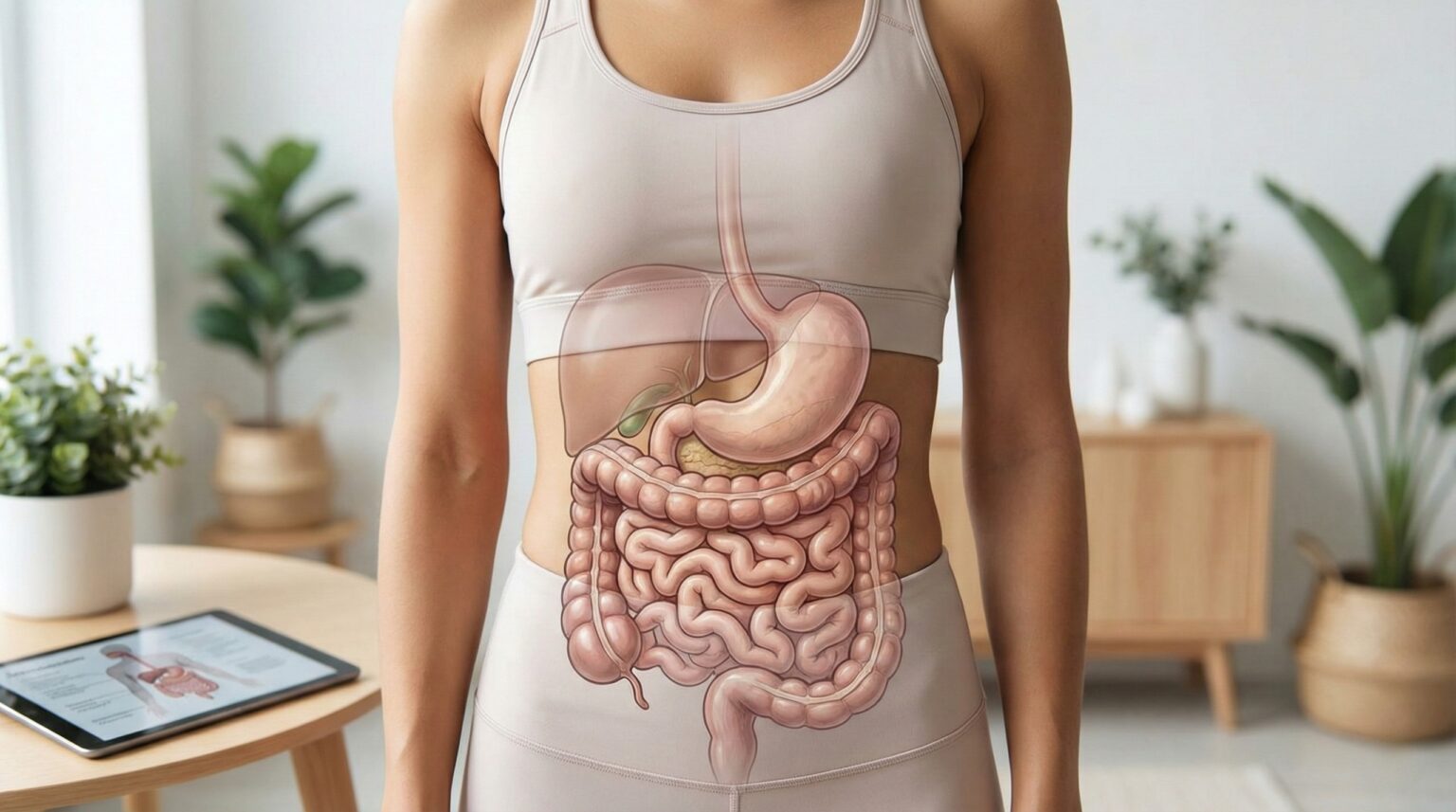
What Is Digestive Health
Digestive health means how well your body:
Breaks down food
Absorbs nutrients
Removes waste
A healthy digestive system works smoothly, quietly, and without pain.
Signs of good digestion:
Regular bowel movements
No frequent gas or bloating
Feeling light after meals
Good appetite and energy
When digestion is weak, your whole body suffers.
Common Digestive Problems People Ignore
2.Many people think digestive issues are “normal,” but they’re not.
Common problems include:
Acid reflux and heartburn
Gas and bloating
Constipation
Diarrhea
Indigestion
Stomach cramps
Ignoring these signals can lead to chronic gut issues later.
Your stomach always talks — we just need to listen.
How Food Affects Your Digestion
Food is the biggest factor behind digestive health.
Poor digestion often comes from:
Too much junk food
Oily and fried meals
Eating too fast
Overeating
Late-night heavy dinners
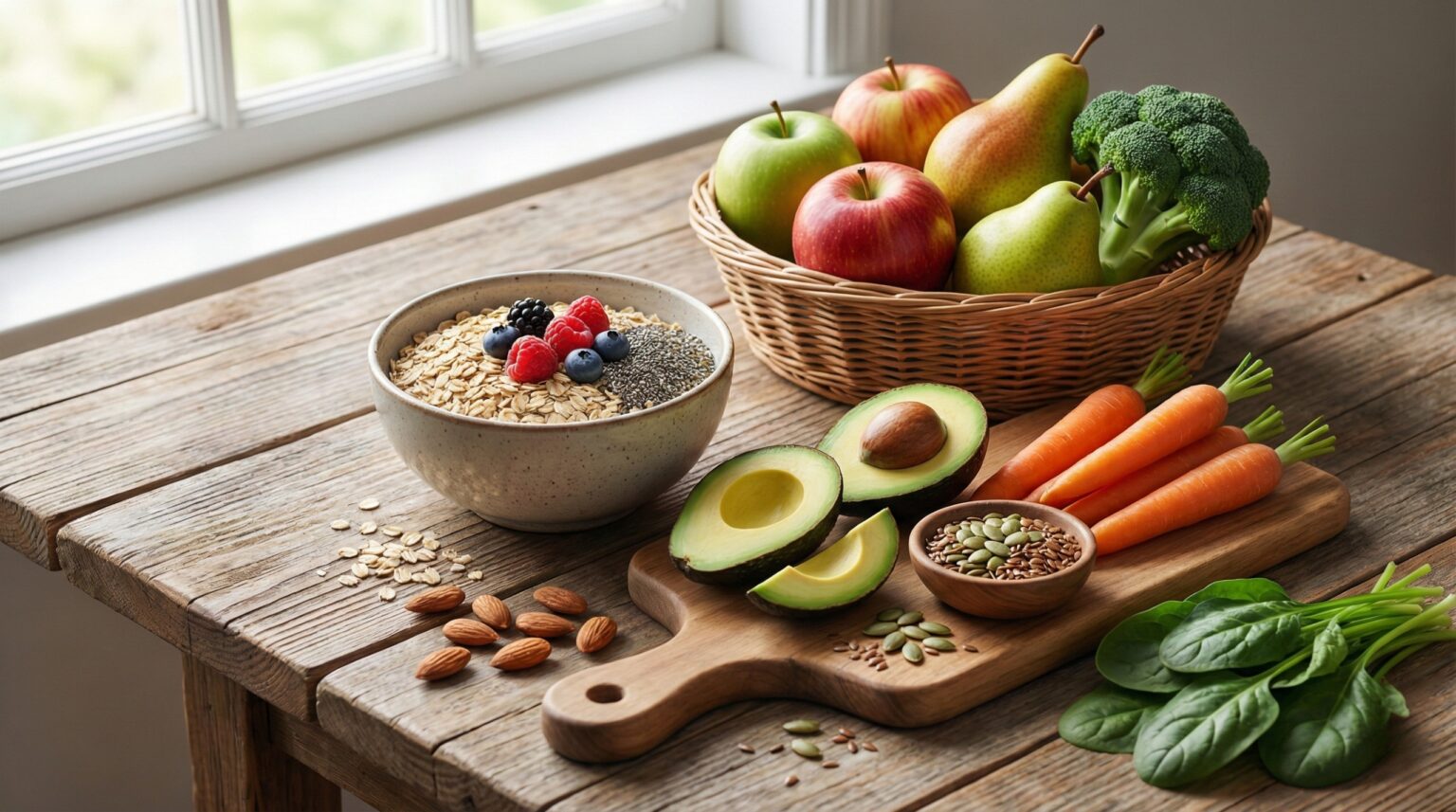
Gut-friendly foods include:
Fruits and vegetables
Whole grains
Yogurt and fermented foods
Fiber-rich meals
The Role of Gut Bacteria (Your Hidden Helpers)
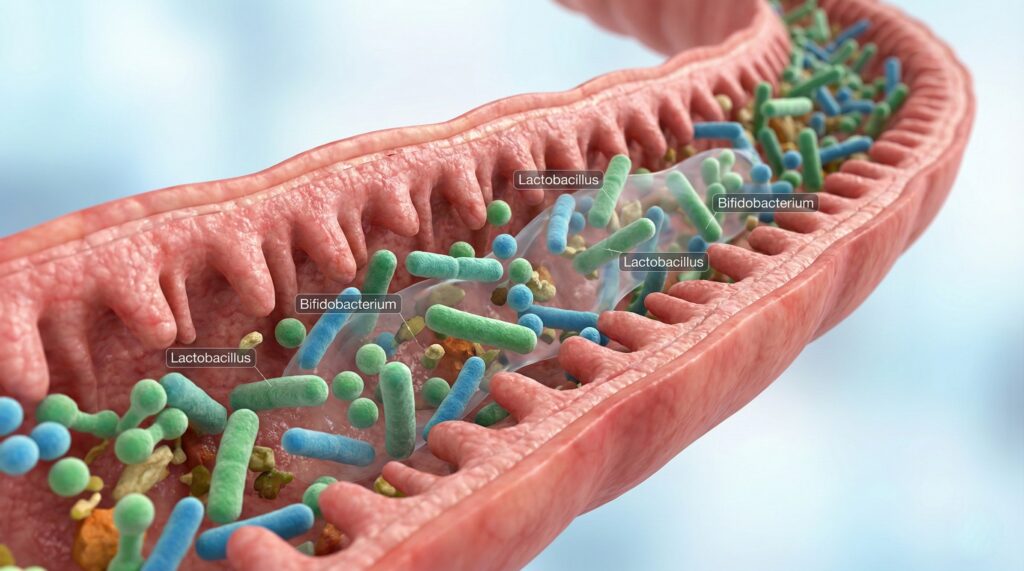
Inside your gut live trillions of good bacteria.
They help with:
Digesting food
Boosting immunity
Reducing inflammation
Improving mood
Bad habits that kill good bacteria:
Excess sugar
Processed food
Stress
Poor sleep
Healthy gut bacteria = healthy body.
Daily Habits That Improve Digestion Naturally
Small daily habits can transform your digestion:
Eat slowly and chew properly
Drink warm water in the morning
Walk for 10–15 minutes after meals
Sleep on time
Avoid lying down immediately after eating
Consistency matters more than perfection.
Importance of Fiber for a Healthy Gut
Fiber is like a cleaning brush for your intestines.
Benefits of fiber:
Prevents constipation
Feeds good gut bacteria
Keeps bowel movements regular
Best fiber sources:
Oats
Fruits
Vegetables
Seeds
Whole grains
Low fiber = slow digestion.
Stress and Digestion: The Hidden Connection
Your gut and brain are deeply connected.
High stress can cause:
Acid reflux
IBS-like symptoms
Poor appetite
Frequent stomach pain
Simple stress-relief habits:
Deep breathing
Light exercise
Short breaks during the day
Limiting phone usage before sleep
When Should You Take Digestive Issues Seriously?
You should not ignore digestion problems if you have:
Pain that lasts weeks
Blood in stool
Sudden weight loss
Constant diarrhea or constipation
These signs need professional medical advice.
Early care prevents bigger problems.
Simple Home Tips to Support Digestive Health
These gentle habits support digestion daily:
Warm water instead of cold drinks
Regular meal timings
Light dinner
Natural foods over packaged food
No extreme diets needed — balance is key.
Conclusion: Take Care of Your Gut, Take Care of Your Life
Digestive health is the foundation of overall wellness.
When your gut is healthy:
You feel lighter
You think clearer
Your immunity improves
Your energy stays high
Start with small changes today — your body will thank you.